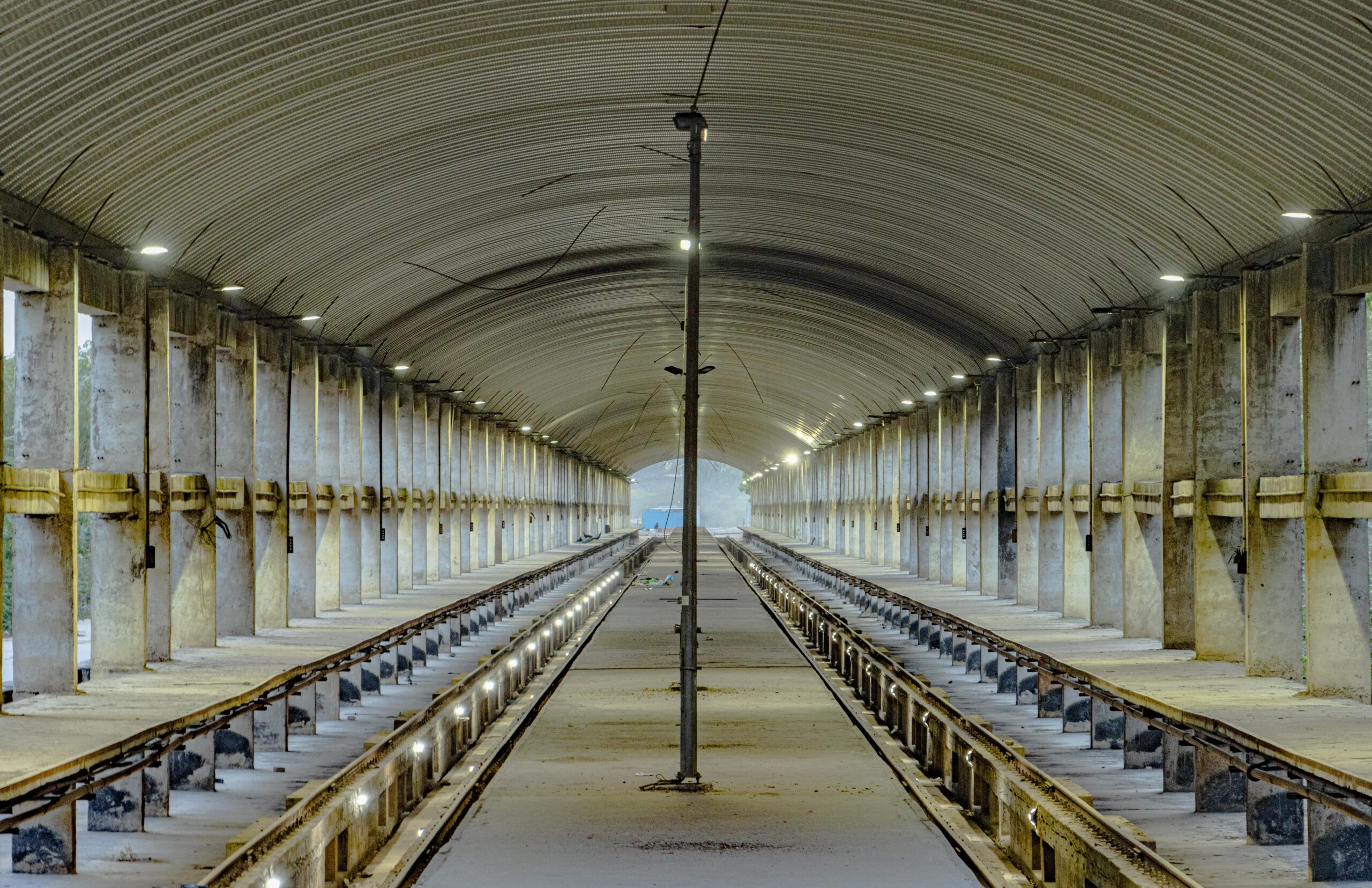
Once symbols of neglect, abandoned buildings and derelict landscapes are experiencing a global renaissance as captivating tourist destinations. What was left to crumble is now being rediscovered—and reimagined—by travelers seeking haunting beauty and the stories behind ruin.

🌍 Why We’re Drawn to the Forgotten
1. The Allure of Time’s Passage
Nature reclaiming man-made structures evokes powerful emotions. Trees growing through concrete, fading murals, and collapsing roofs offer poetic visuals that connect us with impermanence and transformation.
2. History Preserved in Silence
These forgotten places are time capsules—snapshots of the past frozen in place. From Cold War ghost towns to defunct amusement parks, they allow us to glimpse former lives, industries, and dreams.
3. A Photographer’s Paradise
The juxtaposition of decay and beauty offers rich creative opportunities. Photographers and artists are drawn to the raw textures, dramatic lighting, and narrative possibilities that abandoned places provide.
🏚 Notable Destinations Going Mainstream
- Pripyat, Ukraine – The ghost city near Chernobyl has become a somber yet fascinating destination for guided historical tours.
- Abandoned Amusement Parks – Locations like Spreepark in Germany or Vietnam’s Hồ Thuỷ Tiên are eerie attractions for the curious.
- Train Graveyards & Deserted Rail Stations – From Bolivia’s Uyuni train cemetery to overgrown metro stations, these rusting sites are popular photo stops.
- Urban Ruins – Structures such as Hashima Island in Japan or America’s rust belt factories and theatres provide a haunting look at urban decay.
🔍 What Influences the Popularity of These Sites
Accessibility & Safety
The more secure and accessible a site is—often with official tours or local guides—the more likely it is to attract visitors.
Media Attention
Social media, documentaries, and viral images spark curiosity. Hashtags like #urbex (urban exploration) have helped build global communities around exploring forgotten places.
Historic or Cultural Significance
Sites that played major historical roles or symbolize national change tend to attract those with a deeper interest in heritage and storytelling.
Economic Rebirth
Some abandoned locations have been revitalized as museums, cultural parks, or art installations, supporting tourism and local economies.
⚠️ Risks and Responsibilities
Safety Hazards
Crumbled structures, unstable floors, exposed metal, or toxic materials make these destinations potentially dangerous. Many are not monitored, and injuries are common among unauthorized explorers.
Environmental & Social Impacts
Unregulated tourism can lead to vandalism, littering, and irreversible damage. Some sites also become informal shelters or are exploited for commercial purposes.
Cultural Sensitivity
It’s crucial to respect the emotional weight or tragic history associated with many abandoned sites—especially those tied to war, displacement, or disaster.
🌱 Sustainable Strategies for Abandoned Tourism
- Regulated Access – Creating controlled entry points and guided tours ensures safety and reduces damage.
- Community Involvement – Engaging locals in maintenance and interpretation provides jobs and preserves local narratives.
- Adaptive Reuse – Restoring old structures into hotels, museums, or art centers breathes new life into forgotten spaces.
- Education & Etiquette – Teaching visitors how to responsibly explore helps preserve sites for future generations.
❓ Frequently Asked Questions
Q1: Are abandoned places legal to visit?
It depends on the country and the site. Some are publicly accessible, others require permits, and many are off-limits without legal access.
Q2: How risky is it to explore these sites?
Exploring without proper guidance can be dangerous. Hazards include falling debris, sharp objects, unstable footing, and health risks like mold or asbestos.
Q3: What draws tourists to these locations?
People are attracted by history, visual intrigue, and the thrill of discovering something forgotten. Some also seek solitude, mystery, or inspiration.
Q4: Can these sites help local economies?
Yes. When managed responsibly, they become tourist attractions that create jobs, support small businesses, and raise awareness about local history.
Q5: How can visitors explore respectfully?
Don’t trespass, don’t remove anything, avoid graffiti or vandalism, and stick to established paths. Support guided tours or programs that promote conservation.
🧭 Final Thoughts
Abandoned places offer more than decay—they tell untold stories, stir imagination, and provide space for contemplation. As interest in these forgotten sites grows, it’s crucial to strike a balance between exploration and preservation. With the right mindset, travelers can find value in ruins and help keep their legacy alive for future generations.

Sources CNBC