Across South Dakota, several Native American tribes are cautiously and deliberately opening their lands to visitors—not as a spectacle, but as a strategic engine for economic development, cultural preservation, and self-determination. Long excluded from the benefits of the state’s tourism boom, tribal nations are now redefining what tourism can look like when it is led by Indigenous communities themselves.
This shift reflects a broader movement in Indigenous tourism worldwide: one that prioritizes sovereignty, authenticity, and long-term community benefit over mass visitation.

Why Tourism Matters for Tribal Economies
Many reservations in South Dakota face persistent economic challenges, including:
- Limited employment opportunities
- Geographic isolation
- Underinvestment in infrastructure
- High poverty and unemployment rates
Tourism offers one of the few scalable economic opportunities that can be developed without extracting natural resources or compromising cultural values—if done carefully.
For tribes, tourism can generate:
- Jobs in guiding, hospitality, arts, and administration
- Revenue for tribal governments
- Support for language and cultural revitalization
- Greater visibility and understanding of Native histories
A Shift From Resistance to Selective Engagement
Historically, many tribes resisted tourism due to:
- Exploitation of Native culture
- Misrepresentation and stereotyping
- Loss of control over sacred spaces
- Little economic benefit returning to communities
Today’s approach is different. Rather than opening everything to everyone, tribes are choosing selective, community-led tourism models that emphasize consent and control.
This includes deciding:
- Which sites are open to visitors
- Which stories are shared, and by whom
- How revenue is distributed
- What behavior is expected from visitors
Types of Tribal Tourism Emerging in South Dakota
1. Cultural and Educational Tourism
Tribes are developing experiences centered on learning, not entertainment, such as:
- Guided historical tours
- Cultural centers and museums
- Language and storytelling programs
- Workshops led by tribal members
These experiences help counter decades of misinformation about Native history.
2. Heritage and Arts-Based Tourism
Traditional crafts, beadwork, music, and dance are being supported through:
- Artisan markets
- Demonstrations and workshops
- Festivals and cultural events
Tourism provides artists with income while keeping traditions alive.
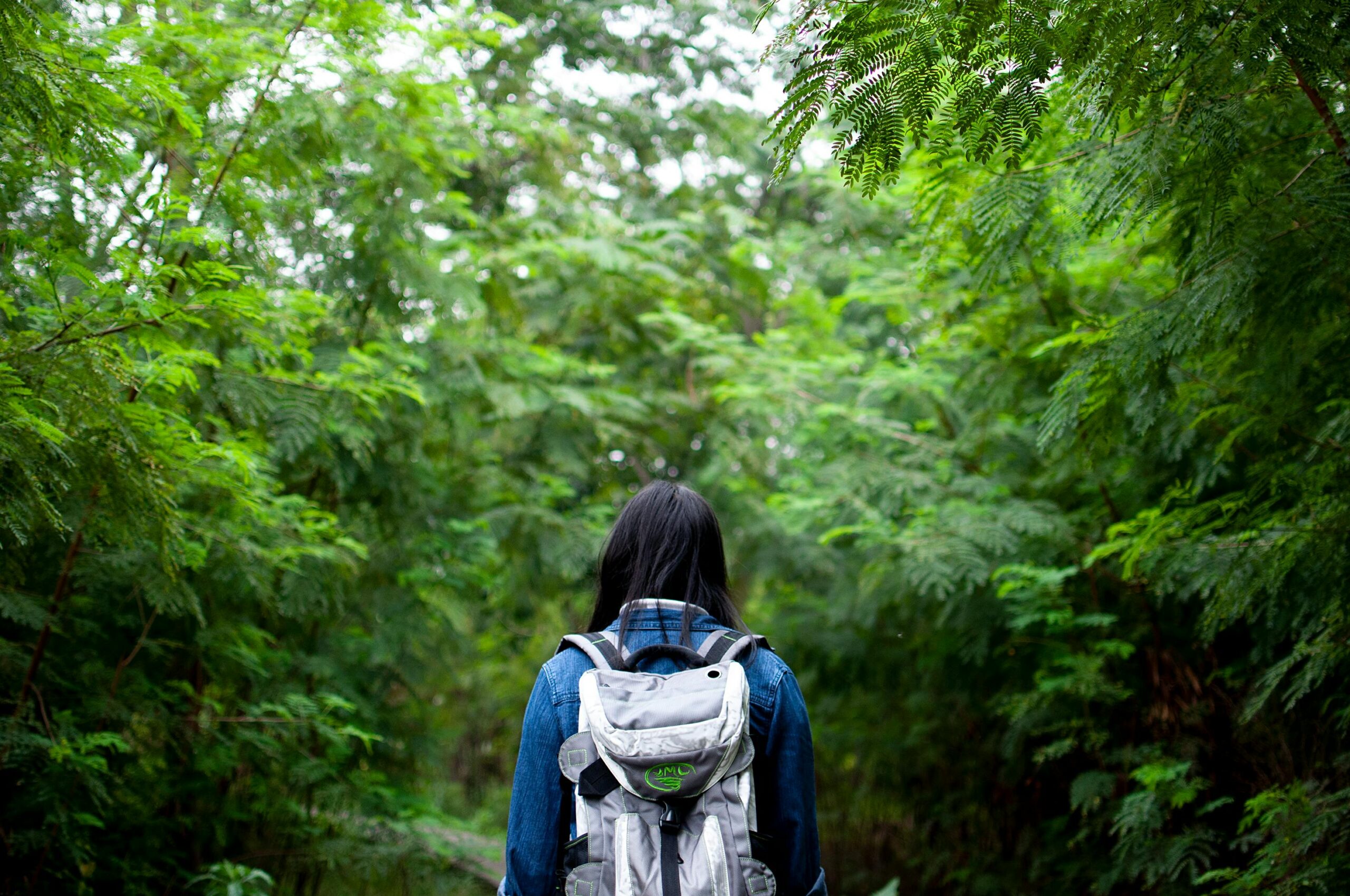
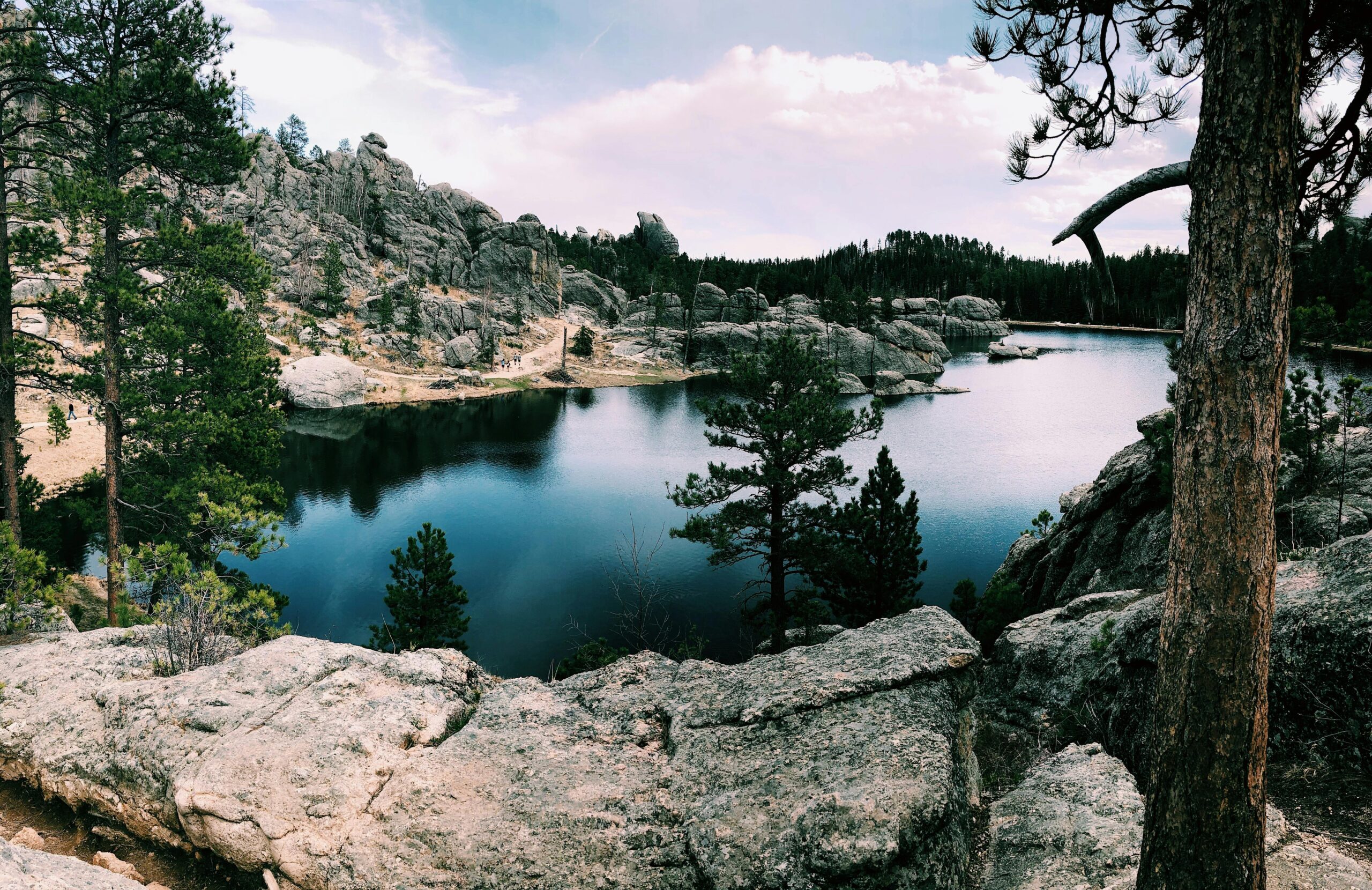
3. Nature-Based and Outdoor Tourism
Many reservations encompass vast natural landscapes. Tribes are exploring:
- Guided hikes and eco-tours
- Wildlife and prairie experiences
- Star-gazing and astronomy tourism
These offerings often emphasize environmental stewardship and Indigenous land knowledge.
Balancing Opportunity With Cultural Protection
Sacred Sites and Boundaries
Not all places are open to visitors—and never will be. Tribes emphasize that:
- Sacred ceremonies are not performances
- Some knowledge is not for public consumption
- Access may be seasonal or limited
Clear boundaries are essential to maintaining trust within the community.
Community Consent
Tourism initiatives often move slowly because they require:
- Extensive community discussion
- Elder input and approval
- Youth engagement and training
This deliberate pace helps ensure tourism reflects collective values rather than external pressure.

Economic Benefits Beyond Direct Tourism Jobs
Tourism can stimulate broader economic activity, including:
- Local food production and catering
- Transportation services
- Lodging and short-term accommodations
- Youth training and entrepreneurship
Over time, this diversification reduces dependence on federal aid and creates pathways for economic independence.
Challenges Tribes Still Face
Despite growing interest, tribal tourism faces obstacles:
Infrastructure Gaps
Many reservations lack:
- Hotels or guest accommodations
- Paved roads or signage
- Reliable internet or cellular service
These gaps limit visitor capacity and increase startup costs.
Funding and Technical Support
Launching tourism initiatives requires:
- Marketing expertise
- Business planning
- Training programs
Accessing capital and technical assistance remains a challenge for many tribes.
Overcoming Misconceptions
Visitors often arrive with limited or inaccurate understanding of Native cultures. Education—before and during visits—is essential to creating respectful experiences.
Partnerships and the Role of the State
Some tribes are cautiously collaborating with:
- State tourism offices
- Universities and cultural institutions
- Nonprofits focused on Indigenous economic development
Successful partnerships respect tribal sovereignty and allow tribes to retain ownership of their narratives and assets.
What Makes Tribal Tourism Different
Unlike conventional tourism, Indigenous-led tourism prioritizes:
- Control over cultural representation
- Community benefit over volume
- Education over entertainment
- Sustainability over short-term profit
This model challenges the traditional tourism industry to rethink success metrics.
Frequently Asked Questions (FAQs)
1. Why are some South Dakota tribes embracing tourism now?
Tribes see tourism as a way to create jobs, support cultural preservation, and generate revenue—while maintaining control over how their culture and lands are shared.
2. Are all tribal lands open to visitors?
No. Access varies by tribe and location. Many sacred or sensitive sites remain closed, and visitors are expected to respect boundaries.
3. How does tribal tourism benefit local communities?
It creates employment, supports artists and educators, funds tribal programs, and helps keep cultural traditions and languages alive.
4. Is tribal tourism the same as cultural tourism elsewhere?
No. Tribal tourism is led by sovereign nations and is grounded in consent, self-representation, and community priorities rather than external commercial interests.
5. How can visitors be respectful when visiting tribal lands?
Visitors should follow posted rules, listen to guides, avoid photographing ceremonies without permission, support local businesses, and approach experiences with humility and openness.
Conclusion
For some South Dakota tribes, tourism is no longer viewed solely as a threat—it is becoming a tool for economic resilience and cultural affirmation, when guided by Indigenous leadership. By welcoming visitors on their own terms, tribes are reshaping tourism into something more equitable, educational, and sustainable.
This approach doesn’t just benefit tribal communities; it offers travelers a deeper, more meaningful way to understand the land they’re visiting—and the people who have cared for it for generations.

Sources KARE11