

Vice President J.D. Vance sparked controversy and heightened security during a rumored visit to Disneyland Resort, as crowds gathered to protest his presence. The incident shines a spotlight on political tensions rooted in immigration policy, federal-state dynamics, and public dissent.

🎢 The High-Profile Visit & Security Measures
Vance quietly arrived with his family at the Grand Californian Hotel adjacent to Disneyland. A noticeable Vice Presidential motorcade and heightened security elements—including sealed-off passenger zones and an entrance security tent—signaled his presence. Guests were alerted to expect travel delays around Disney Way, as roadside checkpoints and protest-related congestion impacted traffic flow.
🚩 Protests Rooted in Immigration Policy
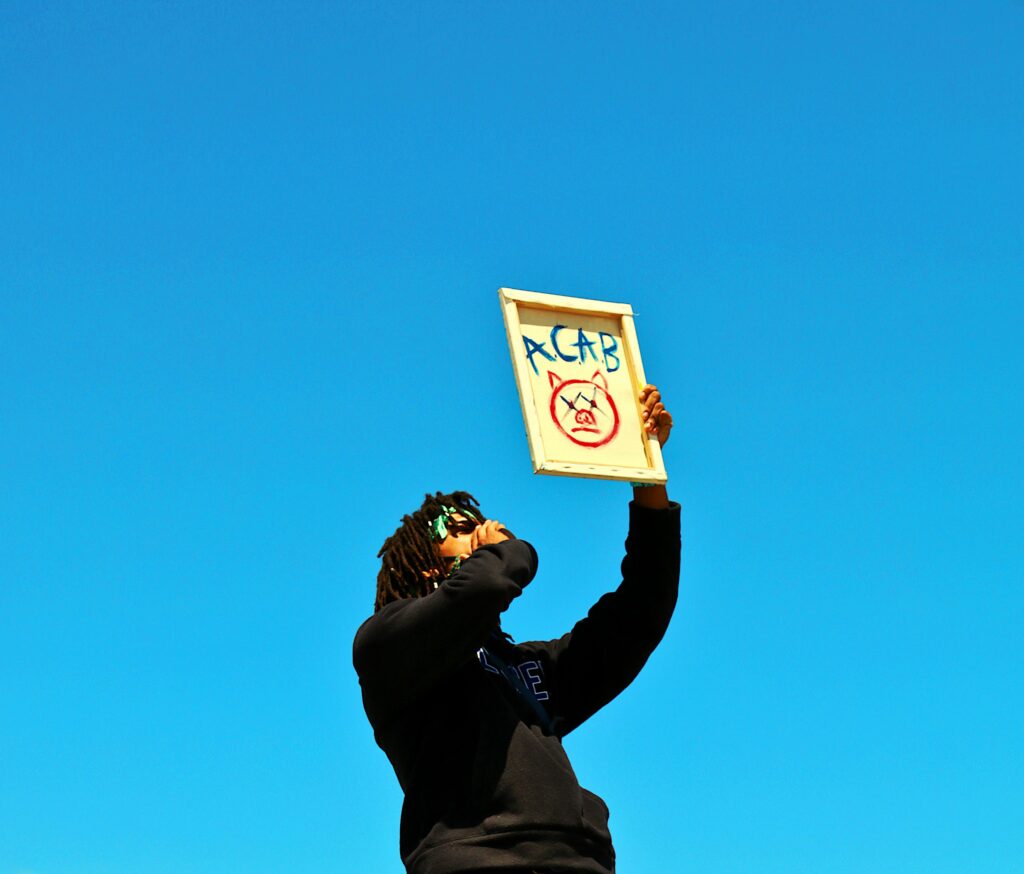
Demonstrators waving Mexican flags and carrying signs calling out immigration enforcement congregated near the Grand Californian’s entrance. Their message targeted Vance’s and the administration’s hardline immigration stance. Security personnel formed lines to prevent protesters from entering the resort grounds, while others staged slowdowns along Disney Way.
🧩 Context: A Pattern of Protest
This Disneyland incident is part of a broader pattern — a series of protests wherever Vance vacations:
- In March, hundreds gathered in Vermont at Sugarbush Resort, calling for solidarity with Ukraine, criticizing his confrontation with President Zelensky, and raising concerns over climate, immigration, and public lands. The visit was peaceful but reiterated strong local opposition.
- Earlier in June and July, Vance also faced protests in Los Angeles over federal immigration raids, with officials like Gov. Gavin Newsom and Mayor Karen Bass involved in the ensuing political back-and-forth.
⚖️ Political Implications & Tensions
The protests highlight deep divisions over immigration enforcement and what constitutes sanctuary or hostile policy. Vance’s critics argue that using family vacations to advance political messaging undercuts the purpose of leisure time. Local leaders—including California’s mayor and governor—denounced the protests as “political retribution,” while Vance defended them as justified pushback against “violent” and “illegal” actions toward federal law enforcement.

🛡️ Disneyland’s Response & Public Reaction
The resort implemented stringent security protocols, including outdoor screening tents and controlled entry. Management didn’t close or restrict operations but temporarily redirected guest traffic and advised heightened travel time for visitors. The situation intensified media attention, turning what was meant to be a private family weekend into a symbol of national debate.
❓ Frequently Asked Questions
Q1: Why were people protesting at Disneyland?
Protests centered on Vance’s and the Trump administration’s immigration policies. Demonstrators used the high-profile location to spotlight ongoing border enforcement debate.
Q2: Was Disneyland closed or affected?
No, Disneyland remained open. However, security measures—road closures, screening zones—were implemented to protect guests and maintain order.
Q3: Is it common for vice presidents to face protests during vacations?
Yes. Vance’s vacation protests echo previous incidents—such as his ski trip to Vermont—where leisure and political dissent intersect.
Q4: What do local officials say?
California’s Governor and Mayor acknowledged peaceful protest rights but criticized the targeting of law enforcement during Vance’s visit. Vance reciprocated by condemning state officials for facilitating unrest.
Q5: Were there any disruptions to park visitors?
Guests were advised to expect minor delays due to road closures and check-pointing. Operationally, Disneyland continued its usual schedule.
🧭 Final Take
J.D. Vance’s Disneyland trip, while personal, became emblematic of national polarization. It underscores how private activities of public figures are laden with political significance—and how public spaces become platforms for civic action and debate.
Sources Los Angelos Times

