
America’s Overlooked East Coast Treasure
While millions of international visitors head for New York, Washington, Boston and Florida, one of America’s most historically significant East Coast states often remains outside their travel plans: Maryland.
That is a surprising oversight. Maryland combines colonial towns, Civil War battlefields, historic harbours, mountain landscapes, Atlantic beaches and one of the country’s most distinctive food cultures. It is also closely connected to Britain’s own history, making it an especially rewarding destination for British travellers interested in America’s origins.
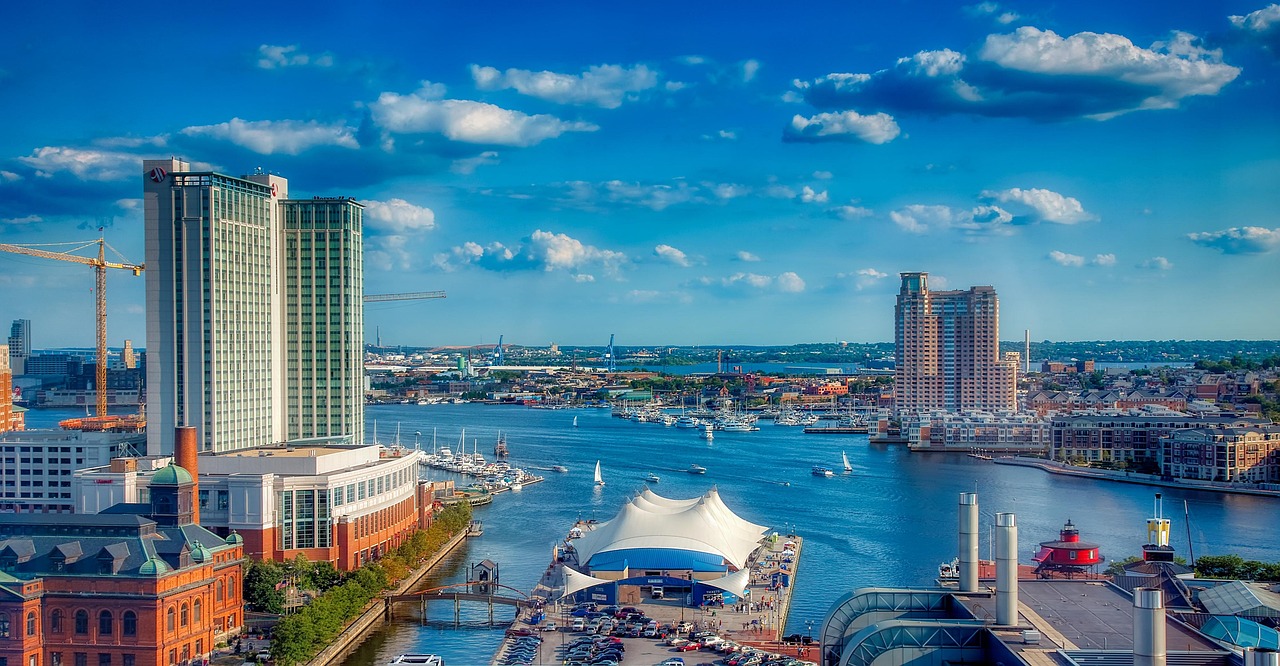
The state is sometimes called “America in Miniature” because of the remarkable variety packed into a relatively small area. From the sailing boats of Annapolis to Baltimore’s historic waterfront and the mountain scenery around Frederick, Maryland offers a different kind of American holiday—one built around discovery rather than famous landmarks alone.
The Telegraph’s November 2026 feature highlighted this relatively overlooked destination, noting that Maryland attracted approximately 418,000 visitors against the backdrop of more than 68 million international visitors to the United States in 2025. The figures illustrate the state’s comparatively modest international profile, although visitor statistics can vary according to how destinations and travel categories are measured.
For British travellers, Maryland offers something particularly interesting: a chance to explore the history of the American colonies, the War of 1812 and the Civil War while enjoying coastal scenery, local seafood and attractive historic towns.
So why does Maryland remain under the radar, and what makes it worth visiting?
1. Why Is Maryland One of America’s Most Overlooked Tourist Destinations?
Maryland occupies a strategic position on the eastern side of the United States. It borders Pennsylvania, Delaware, Virginia and West Virginia, while Washington, DC, sits along its southern boundary.
Despite its location, Maryland often finds itself overshadowed by better-known destinations.
New York has its skyline, Broadway theatres and world-famous museums. Washington attracts visitors with the White House, the Capitol and the Smithsonian institutions. Boston is popular for its colonial heritage and universities, while Virginia offers well-known historic sites and scenic landscapes.
Maryland has many comparable attractions, but they are spread across several different regions rather than concentrated in one internationally recognised tourism centre.
Another reason is that many overseas visitors use Maryland as a transport gateway rather than a holiday destination in its own right. Baltimore/Washington International Thurgood Marshall Airport serves the wider Washington and Baltimore region, while the state’s proximity to the US capital encourages visitors to concentrate their sightseeing elsewhere.
However, this lack of international attention may actually be part of Maryland’s appeal.
Travellers can explore historic streets, waterfront communities and natural landscapes without encountering the same level of international tourism associated with America’s most famous cities.
Maryland is not completely undiscovered, of course. Its beaches, cities and coastal resorts attract substantial domestic tourism. The opportunity is to introduce more international visitors to experiences they may not realise are available.
2. Maryland’s British Colonial Heritage: A Destination With Deep Historical Connections
For British travellers, Maryland’s historical connections are one of its strongest attractions.
The state was named after Henrietta Maria, the wife of King Charles I. In 1632, the English Crown granted the territory to Cecilius Calvert, the second Lord Baltimore, whose family established the colony as a proprietary settlement.
The Calvert family’s Yorkshire connections are reflected in Maryland’s distinctive state flag, which combines the family’s heraldic colours and symbols.
Maryland became the fourth of the original 13 English colonies and played an important role in the development of the United States.
Its colonial history can still be explored through historic buildings, museums, churches, waterfront districts and preserved settlements.
Annapolis: A colonial capital with British connections
Annapolis is perhaps the most rewarding starting point for visitors interested in Maryland’s British heritage.
Founded in the 17th century, the city became Maryland’s capital in 1694. Its historic centre is characterised by narrow streets, colonial architecture, colourful houses and traditional waterfront buildings.
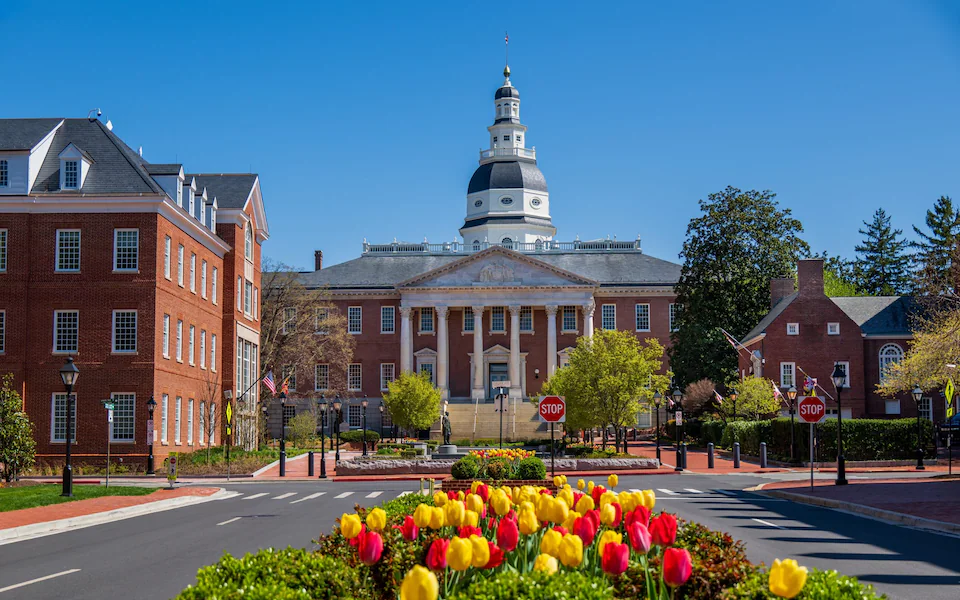
One of its most important landmarks is the Maryland State House, completed in 1779. It is the oldest state capitol in continuous legislative use in the United States.
The building is particularly significant because it briefly served as the national capitol. In 1783 and 1784, the Confederation Congress met there, and George Washington resigned his commission as commander-in-chief of the Continental Army in December 1783.
Visitors can also explore the United States Naval Academy, which has been based in Annapolis since 1845. Its campus includes historic buildings, museums and impressive views of the harbour.
The city is also famous for its sailing culture. Boats and yachts fill the waterfront, while sailing tours offer visitors a different perspective on its colonial streets and maritime heritage.
A walking tour through the historic district is an excellent way to discover the city’s connections to Britain’s colonial past.
3. Baltimore: The Historic Harbour City Reinventing Itself
Baltimore is Maryland’s largest city and one of the most historically significant port cities on the American East Coast.
For generations, its harbour supported international trade, shipbuilding, manufacturing and immigration. The city became an important industrial and commercial centre, attracting workers and businesses from across the United States and overseas.
Today, Baltimore is working to strengthen its reputation as a cultural and tourism destination.
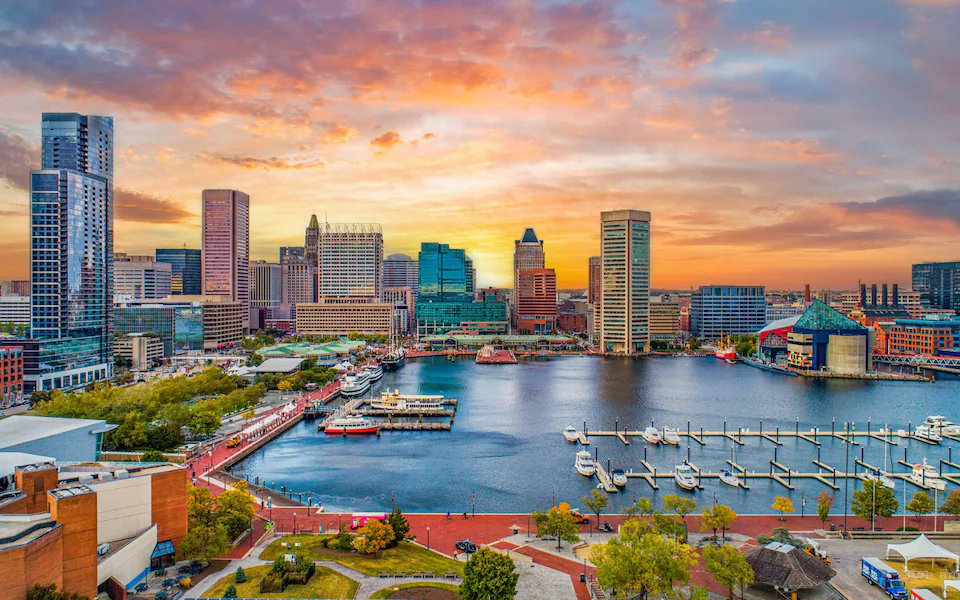
Inner Harbor: The city’s waterfront attraction
The Inner Harbor is one of Baltimore’s best-known visitor areas.
Once a busy commercial port, the waterfront has been transformed into a destination featuring museums, restaurants, attractions and public spaces.
One of its biggest attractions is the National Aquarium, which houses a wide range of marine life and educational exhibits.
The area is also home to historic ships, waterfront promenades and opportunities to take sightseeing cruises.
Visitors can explore nearby neighbourhoods such as Fells Point, known for its historic buildings, cobbled streets, pubs and maritime atmosphere.
Fort McHenry and the American national anthem
One of Baltimore’s most important historical attractions is Fort McHenry National Monument and Historic Shrine.
The fort played a central role during the War of 1812, when British forces attacked Baltimore in September 1814.
American defenders successfully resisted the bombardment. The sight of the American flag still flying over the fort inspired Francis Scott Key to write the poem that later became the lyrics of the United States national anthem, The Star-Spangled Banner.
For British visitors, this is a particularly interesting historical experience because it tells the story from the other side of a conflict that helped shape American national identity.
The annual Defenders Day celebrations on September 12 commemorate the defence of Baltimore with historical activities and events.
Baltimore’s cultural revival
Baltimore’s cultural identity extends well beyond its military history.
The American Visionary Art Museum showcases unconventional and self-taught artists, while the Walters Art Museum houses collections spanning ancient civilisations, European art and decorative objects.
The city’s historic railway heritage is another major attraction. The Baltimore & Ohio Railroad Museum celebrates the development of American rail transport, with its origins tracing back to the country’s first common-carrier railroad.
The Edgar Allan Poe House and Museum offers another distinctive experience. Poe spent important years in Baltimore, where his literary legacy remains part of the city’s cultural identity.
Baltimore still faces challenges involving public safety, urban inequality and economic redevelopment. Visitors should research neighbourhoods, use sensible precautions and plan their movements, as they would in any major American city.
Nevertheless, its museums, historic districts and waterfront make it a compelling destination for travellers willing to look beyond familiar American city breaks.
4. Frederick: A Historic Town Surrounded by Mountain Scenery
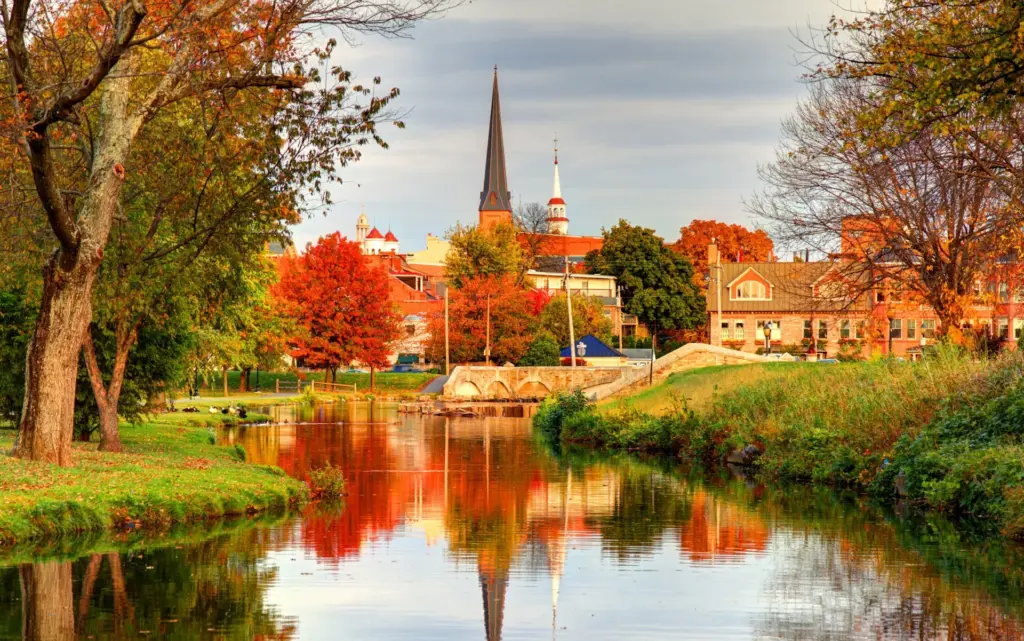
About 50 miles west of Baltimore, Frederick offers a different experience from the state’s larger cities.
Its historic centre features brick buildings, independent shops, restaurants, galleries and attractive streets that are ideal for walking.
The city also has an important connection to the American Civil War.
Maryland was a border state during the conflict, meaning that it remained in the Union while slavery was still legal within its borders. Its geographical and political position placed it between competing loyalties.
South Mountain and the Civil War
The Battle of South Mountain took place in September 1862, shortly before the Battle of Antietam.
The fighting formed part of Confederate General Robert E. Lee’s first major invasion of the North.
The surrounding landscape provides an opportunity to understand how the region’s geography influenced military strategy.
Another important site is the Monocacy National Battlefield, where Union forces fought Confederate troops in July 1864. The battle delayed the Confederate advance towards Washington, DC, giving the Union time to strengthen the capital’s defences.
Gathland State Park and the War Correspondents Memorial Arch
Gathland State Park contains an unusual monument dedicated to war correspondents.
The War Correspondents Memorial Arch was built by journalist George Alfred Townsend, who wanted to recognise the reporters who documented military conflicts.
It is a reminder that the Civil War was not only a military and political struggle but also a turning point in the history of journalism and public communication.
Frederick beyond its historical landmarks
Frederick is also a lively cultural destination.
Carroll Creek Park provides a pleasant waterfront setting, while its historic centre offers restaurants, cafes, boutiques and galleries.
The city is surrounded by agricultural landscapes, vineyards and the foothills of the Appalachian Mountains.
This combination makes Frederick particularly attractive to travellers looking for a relaxed alternative to larger American cities.
5. Chesapeake Bay: Maryland’s Maritime Heart
Maryland’s identity is inseparable from the Chesapeake Bay.
The bay is the largest estuary in the United States and stretches inland from the Atlantic Ocean through Maryland and Virginia.
Its waterways have shaped the state’s economy, culture and settlement patterns for centuries.
Fishing, oyster harvesting, crabbing, shipping and recreational boating remain important parts of the region’s identity.
Sailing and waterfront experiences
Visitors can experience the bay through sailing trips, boat tours, kayaking and fishing excursions.
Annapolis is a particularly good base for sailing experiences, while smaller communities along the Eastern Shore offer a quieter introduction to maritime life.
The Chesapeake Bay Maritime Museum in St. Michaels is another worthwhile stop. Its exhibits explore the region’s boatbuilding traditions, fishing industries and relationship with the water.
The museum also provides insight into the communities that developed around the bay.
St. Michaels: A charming waterfront town
St. Michaels is one of Maryland’s most attractive small towns.
Located on the Eastern Shore, it features historic buildings, waterfront restaurants, boutique accommodation and access to the surrounding waterways.
The town is particularly popular with visitors interested in sailing, local food and relaxed coastal experiences.
It offers a very different atmosphere from Baltimore’s busy harbour and Annapolis’s historic capital district.
6. Maryland’s Food Culture: Why Blue Crabs Are a Must-Try
A visit to Maryland would be incomplete without experiencing its seafood culture.
The Chesapeake Bay is particularly famous for blue crabs, which have become one of the state’s most recognisable culinary symbols.
Maryland steamed crabs
Steamed blue crabs are traditionally seasoned with a regional spice blend, often associated with Old Bay seasoning.
The crabs are commonly served on large tables covered with paper, where diners use wooden mallets and small tools to break open the shells and extract the meat.
It is a social dining experience rather than a formal meal.
For first-time visitors, the process can be messy, but that is part of the fun.
Crab cakes
Crab cakes are another Maryland favourite.
They are generally made with crab meat, breadcrumbs or other binding ingredients, seasonings and sometimes mayonnaise.
Restaurants often serve them with fries, vegetables or salad.
The quality of crab cakes varies between establishments, so visitors should look for restaurants that emphasise fresh crab meat rather than excessive fillers.
Smith Island cake
Maryland also has a distinctive dessert tradition.
Smith Island cake is the state’s official dessert and is known for its multiple thin layers of cake separated by chocolate icing.
The dessert originated on Smith Island, a small community in the Chesapeake Bay.
Its layered appearance and rich flavour make it one of the region’s most recognisable food specialities.
Seafood beyond crabs
Maryland’s culinary offerings include oysters, rockfish, clams and other locally sourced seafood.
The state also has breweries, wineries, farm-to-table restaurants and a growing independent food scene.
Visitors can combine seafood experiences with farmers’ markets, wine tastings and waterfront dining.
7. Maryland’s Beaches: A Different Kind of American Summer Holiday
Maryland is not just about history and city sightseeing. Its Atlantic coastline offers a substantial beach tourism industry.
Ocean City: Maryland’s classic seaside resort
Ocean City is one of the state’s most popular coastal destinations.
Its long sandy beach attracts families, couples and groups looking for a traditional American seaside holiday.
The Ocean City Boardwalk is a major attraction, with restaurants, amusement rides, arcades, shops and entertainment venues.
Visitors can spend the day on the beach before enjoying an evening walk along the waterfront.
Ocean City is especially busy during the summer season, when domestic visitors arrive from Maryland and neighbouring states.
Assateague Island: Wild horses and protected landscapes
Assateague Island offers a completely different coastal experience.
The barrier island is famous for its wild horses, which roam across its beaches, dunes and marshlands.
The protected landscape is home to a range of wildlife, including migratory birds and other coastal species.
Visitors can enjoy hiking, camping, wildlife observation and beach activities.
However, the horses are wild animals and should never be approached or fed. Maintaining a safe distance helps protect both visitors and wildlife.
Assateague is particularly attractive to nature lovers who prefer quieter surroundings to the commercial atmosphere of major beach resorts.
Why Maryland’s coastal region deserves more attention
The state’s beaches are relatively accessible from major metropolitan areas such as Washington, Baltimore and Philadelphia.
For international visitors, they offer an opportunity to combine a city break with a traditional Atlantic coast holiday.
The coastal region also has smaller communities, fishing towns and protected natural areas that provide a more relaxed alternative to some of the better-known American beach destinations.
8. Maryland’s Natural Landscapes: From Atlantic Marshes to Appalachian Mountains
Maryland’s nickname, “America in Miniature,” is not simply a tourism slogan.
The state’s geography changes significantly as visitors travel from east to west.
The Atlantic Coastal Plain includes the Chesapeake Bay, coastal marshes, rivers and beaches. Further inland, the Piedmont Plateau features rolling hills, farmland and wooded landscapes.
Western Maryland reaches into the Appalachian region, where mountain ridges, forests, lakes and rivers create opportunities for outdoor activities.
Deep Creek Lake
Deep Creek Lake is Maryland’s largest inland lake and a popular destination for outdoor recreation.
Visitors can enjoy boating, fishing, swimming, hiking and other activities during warmer months.
In winter, the surrounding area becomes a destination for skiing and snow-related recreation, particularly around Wisp Resort.
Catoctin Mountain Park
Catoctin Mountain Park offers forest trails, scenic viewpoints and opportunities to experience the state’s natural environment.
It is also close to the presidential retreat at Camp David, although public access to the retreat itself is restricted.
Appalachian Trail
The famous Appalachian Trail passes through Maryland, giving hikers access to a section of one of America’s best-known long-distance hiking routes.
The Maryland section is suitable for visitors interested in shorter hiking experiences as well as those exploring longer stretches of the trail.
These landscapes add another dimension to Maryland’s tourism appeal, particularly for travellers who want to combine cultural sightseeing with outdoor activities.
9. Harriet Tubman and Maryland’s African American Heritage
A comprehensive visit to Maryland should also include its African American history.
The state played an important role in the history of slavery, abolition and the Underground Railroad.
One of the most significant figures connected to the region is Harriet Tubman, who was born into slavery in Dorchester County on Maryland’s Eastern Shore.
After escaping slavery, Tubman returned repeatedly to help other enslaved people reach freedom.
She became one of the most important figures associated with the Underground Railroad, a network of people and routes that helped enslaved individuals escape to free states and Canada.
Harriet Tubman Underground Railroad Visitor Center
The Harriet Tubman Underground Railroad Visitor Center in Church Creek provides visitors with an opportunity to learn about her life, the Underground Railroad and the wider history of slavery in the region.
The surrounding Harriet Tubman Underground Railroad Scenic Byway connects historic locations associated with her story.
This experience is an important reminder that Maryland’s history cannot be understood through colonial buildings and military landmarks alone.
The state’s past also includes the experiences of enslaved people, abolitionists and communities that fought for freedom and equal rights.
Other significant attractions include the Banneker-Douglass-Tubman Museum in Annapolis, which explores African American history and culture in Maryland.
10. Why Maryland Has a Strong Appeal for British Travellers
Maryland offers several advantages for visitors from the United Kingdom.
A direct connection to British history
Many American destinations focus on the country’s independence and later development. Maryland allows visitors to explore the colonial period in greater detail.
Its place names, architecture, historic families and political institutions reveal the influence of British settlement.
A compact and varied destination
Maryland is relatively small compared with many American states.
This makes it possible to combine several experiences in one trip without spending days travelling between destinations.
A visitor could explore Baltimore, Annapolis and Frederick, then continue towards the Chesapeake Bay or Atlantic coastline.
Access to Washington, DC
Maryland’s proximity to Washington makes it an excellent addition to a wider East Coast itinerary.
Visitors can spend time exploring the national capital before travelling to Annapolis, Baltimore or the state’s coastal communities.
A less familiar side of America
Many British visitors have already considered New York, Florida, California or Las Vegas.
Maryland offers something different: historic towns, regional food traditions, maritime culture and landscapes that are less prominent in mainstream international travel marketing.
It can therefore provide a more distinctive American travel experience.
11. How to Plan a Maryland Holiday
Maryland can be explored in several ways, depending on the time available and the interests of the visitor.
Suggested seven-day itinerary
Days 1–2: Baltimore
Explore the Inner Harbor, National Aquarium, Fort McHenry, Fells Point and the city’s museums.
Allow time for a seafood meal and a walk through the historic waterfront districts.
Days 3–4: Annapolis
Travel to Maryland’s capital and explore its colonial streets, State House and Naval Academy.
Include a sailing trip or waterfront cruise on Chesapeake Bay.
Day 5: Chesapeake Bay and St. Michaels
Discover the maritime heritage of the Eastern Shore, visit the Chesapeake Bay Maritime Museum and enjoy local seafood.
Day 6: Frederick
Explore the historic centre, Carroll Creek Park and nearby Civil War landmarks.
Day 7: Washington, DC or the coast
Depending on personal interests, finish the trip with a visit to Washington, DC, or travel towards Maryland’s Atlantic beaches.
A longer holiday could include Assateague Island, Ocean City, Deep Creek Lake and additional historic communities.
Best time to visit Maryland
The best time depends on the type of holiday.
Spring, March to May: Pleasant temperatures, gardens, historic sightseeing and fewer summer crowds.
Summer, June to August: Ideal for beaches, sailing, boating and outdoor activities. Coastal resorts can be busy, and accommodation prices may rise.
Autumn, September to November: An excellent season for exploring historic towns, enjoying seafood and viewing fall foliage in western Maryland.
Winter, December to February: Quieter coastal communities, seasonal events and opportunities for skiing and winter recreation in the western part of the state.
For many visitors, September and October offer an appealing balance of comfortable weather, cultural events and reduced summer crowds.
Getting to Maryland from the United Kingdom
Baltimore/Washington International Thurgood Marshall Airport (BWI) is the state’s main international airport.
Travellers can also consider Washington Dulles International Airport (IAD) and Ronald Reagan Washington National Airport (DCA), depending on flight availability and their intended itinerary.
British visitors should compare flight routes, fares and connections rather than assuming that the closest airport is always the most convenient.
Getting around
A rental car is useful for exploring Maryland beyond its largest cities.
Baltimore and Washington are connected by rail services, while Annapolis and many smaller communities are easier to reach by road.
Visitors planning to explore the Eastern Shore, beaches and western mountain region should consider hiring a car.
It is also worth checking seasonal traffic around the Chesapeake Bay Bridge, particularly during summer weekends and holiday periods.
12. The Challenges Maryland Must Overcome to Attract More International Tourists
Maryland has considerable tourism potential, but attracting more overseas visitors will require more than promoting its attractions.
Limited international recognition
Many overseas travellers simply do not know what Maryland offers.
Tourism authorities must communicate a clear identity that distinguishes the state from neighbouring destinations.
Its strongest selling points include colonial heritage, the Chesapeake Bay, maritime culture, seafood, Civil War history and varied natural landscapes.
Competition from major American destinations
New York, Florida, California and other well-established destinations benefit from global recognition and extensive tourism marketing.
Maryland needs to demonstrate why visitors should spend several days there rather than treating it as a short stop between major cities.
Transport and itinerary planning
Although Maryland is geographically compact, its attractions are spread across different regions.
International visitors unfamiliar with the area may find it difficult to understand how to combine cities, coastal destinations and mountain attractions.
Clearer travel itineraries and transport information could help address this issue.
Urban safety and perceptions
Baltimore’s public image has been affected by decades of reporting about crime and economic inequality.
Tourism development requires honest communication about safety, investment in public spaces and continued support for neighbourhood regeneration.
Environmental pressures
The Chesapeake Bay faces long-term environmental challenges, including nutrient pollution, habitat loss and pressure on marine ecosystems.
Coastal communities must also consider sea-level rise, storms and the vulnerability of beaches and wetlands.
Sustainable tourism should therefore be part of Maryland’s long-term development strategy.
13. Maryland’s Tourism Opportunity: More Than a Stop Between New York and Washington
Maryland has the ingredients to become a more prominent international destination.
Its combination of history, nature, food and coastal experiences gives it a broad tourism appeal.
The state can attract several different visitor groups:
- History enthusiasts interested in colonial America and the Civil War.
- British travellers looking for connections to their own national history.
- Food lovers interested in Chesapeake Bay seafood.
- Families seeking beaches, museums and outdoor activities.
- Couples looking for waterfront accommodation and small-town experiences.
- Nature lovers interested in wild horses, forests, mountains and wildlife.
The opportunity is to bring these experiences together under a stronger tourism identity.
Rather than promoting Baltimore, Annapolis, Frederick and the Chesapeake Bay as unrelated destinations, Maryland can present them as parts of one connected journey.
For international visitors, that journey could offer something increasingly attractive: a chance to experience several different sides of America without following the most predictable tourist route.
Conclusion: Maryland Deserves More Than a Passing Visit
Maryland may not have the global recognition of New York or Florida, but its attractions tell a fascinating story of the United States.
Its colonial heritage reveals the country’s British foundations. Baltimore explains the importance of maritime trade and the War of 1812. Annapolis preserves the atmosphere of an early American capital. Frederick and its surrounding landscapes provide a deeper understanding of the Civil War, while the Chesapeake Bay and Atlantic coast showcase a distinctive regional culture.
There is also a natural side to Maryland that many international travellers overlook, from the wild horses of Assateague Island to the forests and lakes of the Appalachian region.
For British visitors, the state offers a particularly interesting opportunity to explore the history of a former colony that eventually became one of the world’s most influential countries.
Maryland does not need to imitate the attractions of America’s most famous destinations. Its strength lies in its variety, its history and its ability to offer a more relaxed and locally rooted travel experience.
Perhaps that is precisely why it deserves more attention.
The next time travellers plan an American East Coast holiday, Maryland should be more than a place they pass through on the way to somewhere else. It should be a destination in its own right.
Frequently Asked Questions (FAQs)
1. Why is Maryland called “America in Miniature”?
Maryland is called “America in Miniature” because it contains an unusually wide variety of landscapes and experiences within a relatively small area. Visitors can explore Atlantic beaches, coastal wetlands, the Chesapeake Bay, rolling farmland, historic towns, major cities and Appalachian mountain scenery. The nickname also reflects the state’s important role in American history.
2. What are the best places to visit in Maryland?
Some of Maryland’s leading attractions include Baltimore’s Inner Harbor and Fort McHenry, the historic capital of Annapolis, Frederick’s historic downtown, the Chesapeake Bay, St. Michaels, Ocean City and Assateague Island. Visitors interested in history should also consider Antietam National Battlefield and the Harriet Tubman Underground Railroad Visitor Center.
3. Is Maryland worth visiting for British tourists?
Yes. Maryland has particularly strong appeal for British travellers interested in colonial American history, maritime heritage and the development of the United States. The state’s historical connections to the British Crown, combined with its historic towns, seafood culture and coastal attractions, make it a worthwhile addition to an East Coast holiday.
4. What is the best time of year to visit Maryland?
Spring and autumn are excellent seasons for sightseeing, historic towns and outdoor activities. Summer is best for beaches, sailing and coastal holidays, although popular resorts such as Ocean City can become busy. Autumn is particularly attractive for visitors interested in colourful foliage, seafood and cultural events. Winter is quieter but offers opportunities for skiing and seasonal experiences in western Maryland.
5. What food is Maryland famous for?
Maryland is particularly famous for Chesapeake Bay blue crabs, steamed crabs seasoned with regional spices and Maryland-style crab cakes. Other local specialities include oysters, rockfish and Smith Island cake, a traditional layered dessert that is Maryland’s official state dessert. Seafood restaurants and waterfront dining are important parts of the state’s tourism experience.
Sources The Telegraph