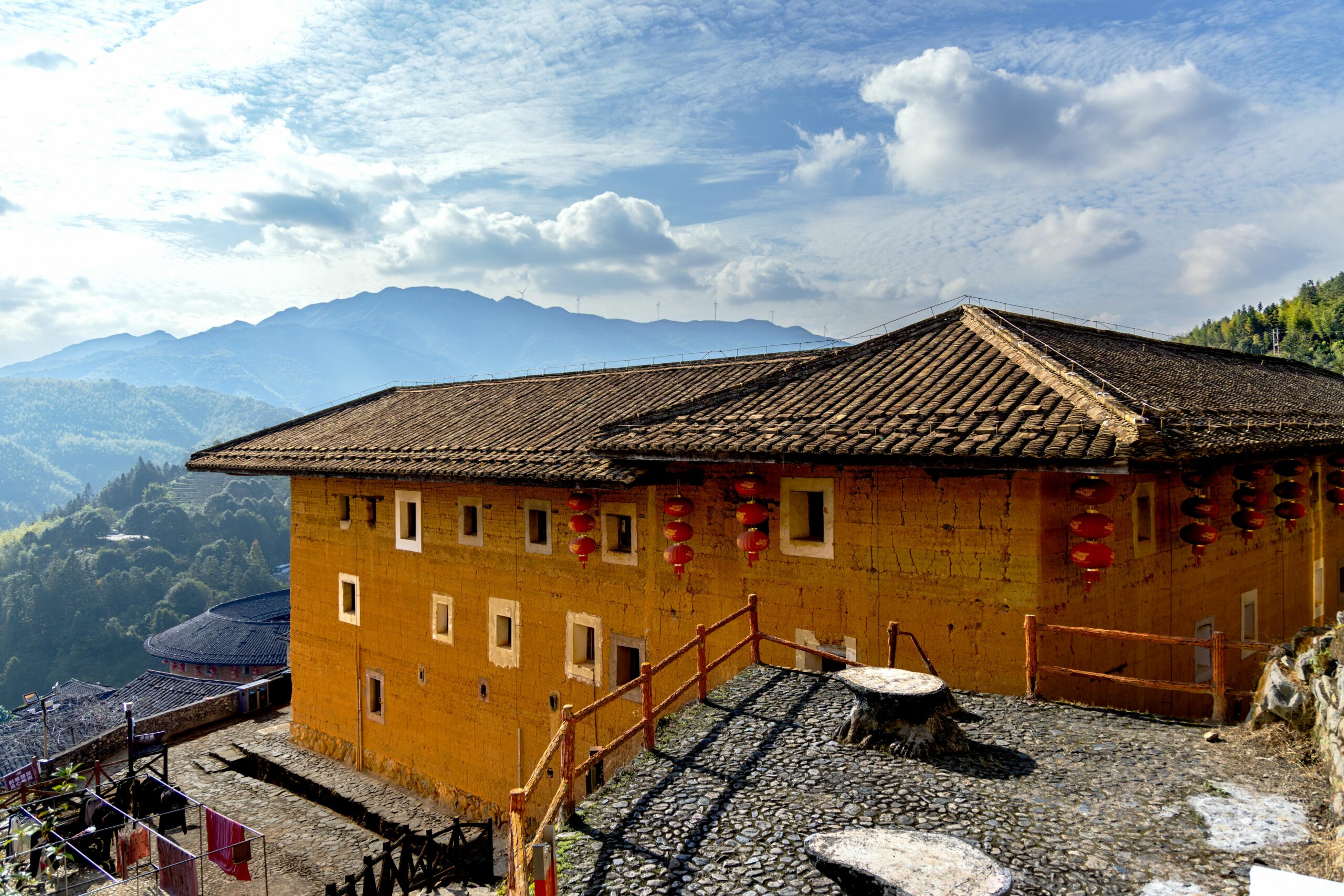
In the heart of rural China—where Mao Zedong once mobilised peasants to till the land and wage revolution—a new surge of tourists is descending. They’re not just travelling for scenic views: they’re tracing footsteps of the Communist past, turning fields into photo ops and old villages into “revolution pilgrimage” zones. But this trend, known as red tourism, is far more than a heritage hike—it’s a complex blend of economics, memory-politics, local development and identity.
Here’s a closer, more comprehensive look at what’s driving the phenomenon, what’s at stake, and what the original story didn’t fully explore.
Why the surge is happening now
1. Heritage meets consumerism
What used to be historic rural villages or revolutionary base areas (like the Jinggang Mountains—the “cradle of the Chinese Revolution”) have been repackaged as tourism hotspots. The government labels them “red scenic spots” and offers subsidies; private players build hotels, shops, themed tours.
2. Political endorsement and education drive
The Chinese Communist Party promotes red tourism as a form of patriotic education—school groups, youth cadets and public institutions are guided to visit these places. The state frames them as sacred heritage.
3. Infrastructure and accessibility improvements
Rural transport, lodging, visitor centres have improved. Villages once remote are now reachable via new roads, rail links and airports. This opens the door for middle‐class urban Chinese to visit, not just cadres.
4. Local economic imperative
Many rural areas face population decline, ageing, under-investment. Red tourism offers a development lifeline. Turning historic villages into tourist stops creates jobs, boosts local spending and preserves—or at least monetises—heritage.
5. Nostalgia and cultural search
For younger generations raised in cities, these sites offer a tangible link to a narrative of Chinese revolution and rural identity. The “past” becomes a destination, a photo-moment, a way to root themselves.
What the original article covered—and what it did not fully explore
The source laid out how peasants once cultivated land under Mao, how that land is now visited by tourists paying for the view. But let’s dig deeper into the fuller story.
What it covered:
- The transformation of rural spaces once shaped by Mao’s policies.
- The emergence of tourism where labour once ruled.
- Some economic benefits and visitor numbers.
What it missed or under-emphasised:
The broader implications
- Rural revitalisation strategy: China uses red tourism as part of its rural development toolkit. By creating heritage economies, it aims to stem rural flight and regional imbalance.
- Heritage meets capitalism: What begins as revolutionary memory is converted into consumer experiences—souvenir shops, themed hotels, “revolution-style” accommodation. This mix raises questions about commodification of ideology.
- Tourism and identity: For visitors, these sites blend leisure, education and identity. For locals, they may reshape how villages see themselves—less as agricultural communities, more as heritage attractions.
- Global parallels: Similar patterns emerge worldwide—heritage sites becoming tourism zones, memory becoming commodity. The Chinese case provides a vivid, large‐scale example.
- Sustainability risks: Over-tourism, loss of authenticity, environmental strain and hollowing out of local culture are real concerns. If tourism declines, the infrastructure built may become a burden.
Taking a Village Tour—What You Might See
Visiting a typical red-tourism village today, you may find:
- A renovated old revolutionary site: memorial halls, old barracks, statues of Mao and comrades.
- Walk-through exhibitions of revolutionary campaigns, videos, guided tours in standard Mandarin.
- “Red culture” boutique hotels or inns styled to look nostalgic, restaurants offering “revolution dishes”.
- Modern amenities: souvenir shops, interactive photo-points (“I walk in Mao’s footsteps”).
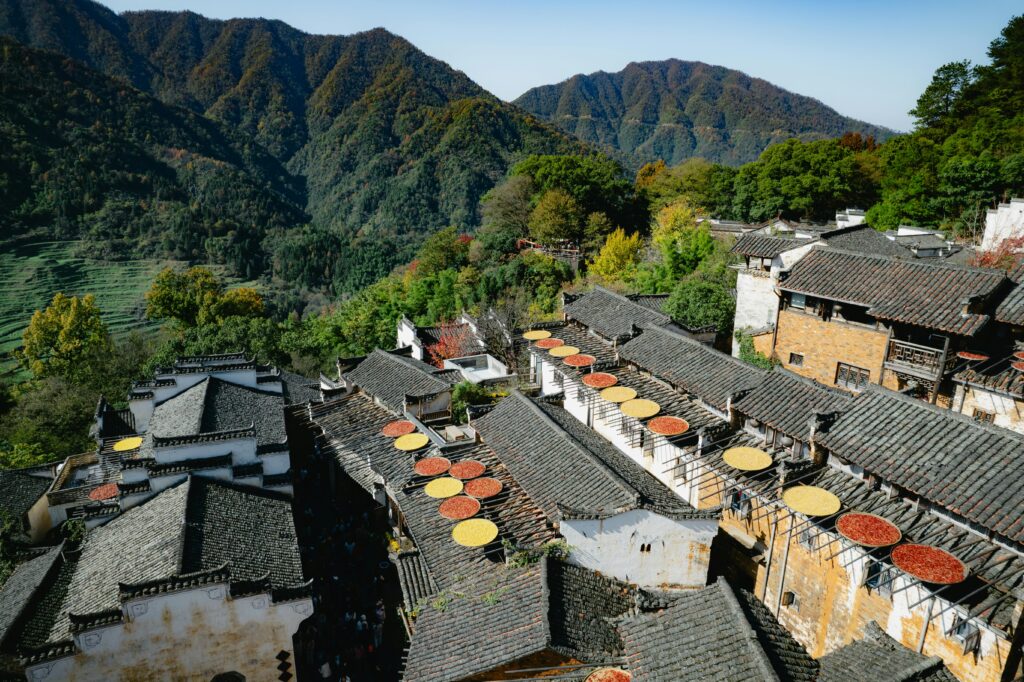
- Agricultural surroundings still visible: terraced fields, farmhouses—but the pace has changed.
- Visitor flows managed with entrance fees, tour buses—pricing that may be high for locals but moderate for domestic tourists.
What to Ask as a Visitor or Stakeholder
- How do local residents feel about the tourism?
- What percentage of revenue stays in the village vs goes to outside operators?
- Are the narratives inclusive of the full historical spectrum (success, tragedy, rural life)?
- How is visitor impact being managed?
- What happens in off‐season when visitors thin out?
- Are there alternative economic options for the village or is it now reliant on tourism alone?
Frequently Asked Questions
Q1: What is “red tourism”?
It refers to travel to sites connected to China’s Communist revolution—places where soldiers fought, peasants mobilised, land reforms occurred. These sites are marketed for both heritage and ideological education.
Q2: Why are previously rural farming areas chosen?
Because they were central to Mao’s rural-based revolutionary strategy—peasants were deemed the backbone of the revolution. These spaces hold symbolic value for the party’s history and for China’s narrative of transformation.
Q3: Do tourists pay to visit these places?
Yes. There are entrance fees, tour packages, themed hotels, transport costs. Tourists pay for access to the heritage experience, guided history, memorials and the curated landscapes.
Q4: Are local villagers richer as a result?
Sometimes—but unevenly. Some villages experience job growth, better infrastructure, higher income from tourism; others may see benefits captured by external firms, or long‐term dependence on tourism remains fragile.
Q5: Is the history presented fully and honestly?
Not always. The narrative tends to highlight heroism and victory, often sidelining episodes of hardship, famine, class struggle or rural suffering. Balance varies.
Q6: Can red tourism be sustainable in the long term?
With the right methods, yes: diversified local economy, good infrastructure, authentic cultural integration. But risks include over-commercialisation, visitor fatigue, environmental strain.
Q7: How has tourism infrastructure changed in rural China?
Significantly. Roads, rail, hotels, visitor centres, digital ticketing—the state and private sector have invested heavily. This opens accessibility but also raises costs and expectations.
Q8: Can this model be applied elsewhere?
Yes. Heritage tourism and memory-sites are global phenomena—what China shows is the scale, state strategy and rural angle. Other countries can learn from both the successes and pitfalls.
Q9: What should a visitor do to experience this authentically?
Choose off‐season visits, engage with locals not just tour operators, ask questions about everyday life not just the revolutionary narrative, stay in local guesthouses, minimise souvenir hype and maximise cultural interaction.
Final Thoughts
The story of peasants who once tilled the fields under Mao’s regime now welcomes tourists in photo-shuttered rest stops is both poignant and complex. It’s a narrative of continuity, change and commodification.
In many ways, we’re witnessing history and memory being repackaged for modern audiences. That’s not inherently bad—but it calls for reflection. Are we engaging with the real rural stories, the lived lives of farmers, the soil and toil behind the memorials—or simply consuming stylised heritage?
When you walk the red trails of China’s rural revolution, what you see—and what you don’t—matters. Tourists pay for the view; the question is whether the local communities, the land and the full story also get something meaningful in return.
Sources The New York Times