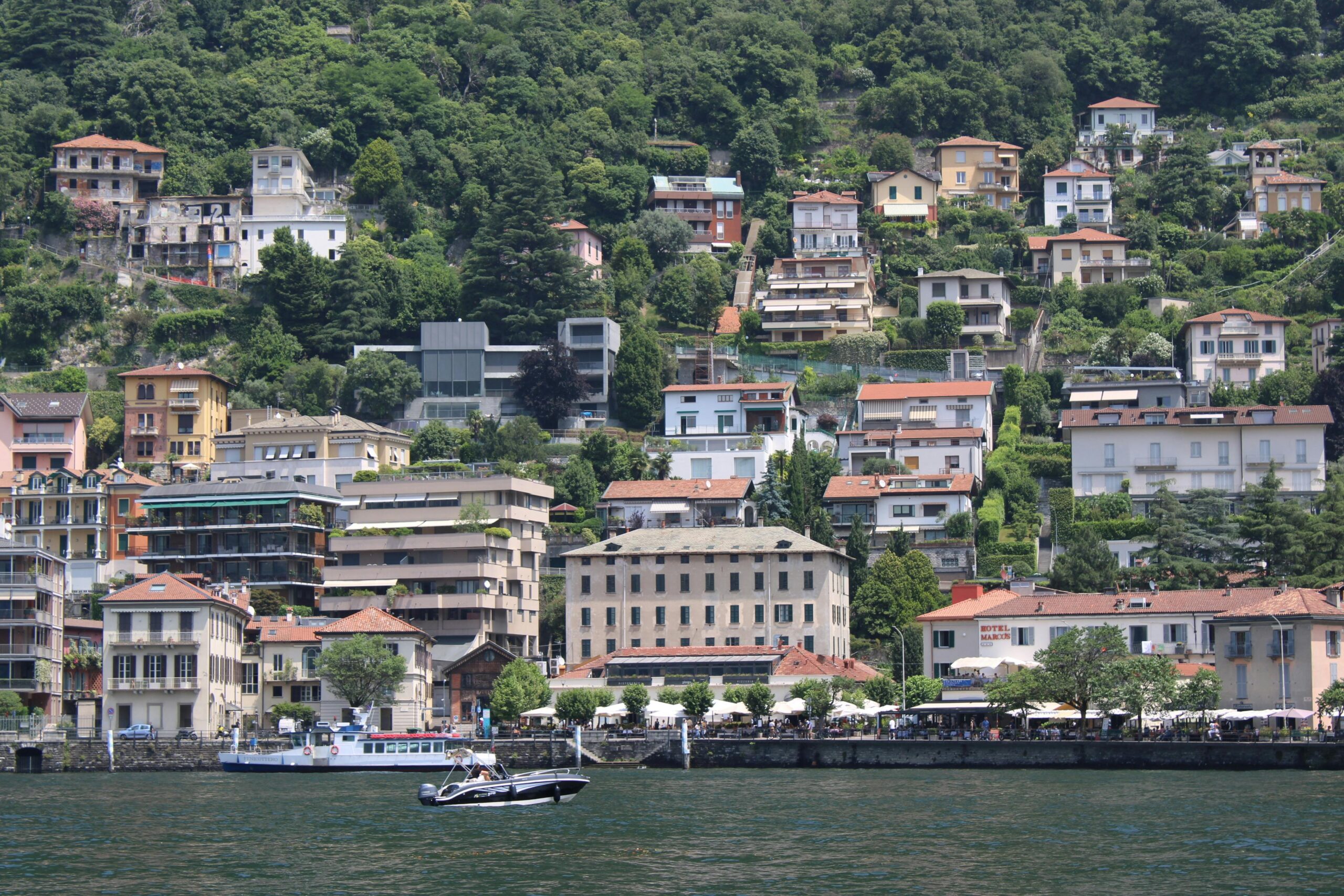
Italy, long adored for its rolling vineyards, historic towns, and sun-drenched coastlines, is experiencing a new kind of renaissance—this time driven by American property buyers.
In 2025, a growing wave of U.S. investors, remote workers, and retirees are buying up vacation rentals and second homes across Italy. From renovated farmhouses in Tuscany to seaside villas in Puglia, American buyers are reshaping the market—and chasing more than just la dolce vita.
What’s Fueling the Surge?
1. Strong U.S. Dollar vs. Euro
The favorable USD-EUR exchange rate is giving American buyers more purchasing power than in previous decades. That dream €200,000 home? It’s now significantly cheaper in dollars.
2. Remote Work Culture
Thanks to flexible work policies, many Americans are trading cubicles for cobblestone streets. Italy’s “digital nomad visa” and generous residency paths (like the Elective Residency Visa) have sweetened the deal.
3. Post-Pandemic Priorities
Many Americans, rethinking lifestyle and work-life balance after COVID-19, are prioritizing slow living, travel, and real estate investments in scenic but affordable places.
4. Short-Term Rental Potential
Italy’s status as a top global tourist destination makes properties ideal for Airbnb or short-term rental income, especially in cities like Florence, Venice, and Rome, or in hidden gems like Lecce and Matera.
Where Are They Buying?
Popular spots include:
- Tuscany – Vineyards, hills, and artistic heritage
- Puglia – Coastal towns and olive groves, still affordable
- Umbria – “The new Tuscany” for value-conscious buyers
- Sicily & Calabria – Known for €1 homes and budget investments
- Lazio – Home to Rome, it offers urban and countryside options
- Lombardy & Lake Como – More expensive, but high rental yields
What Are They Buying?
- Restored stone farmhouses
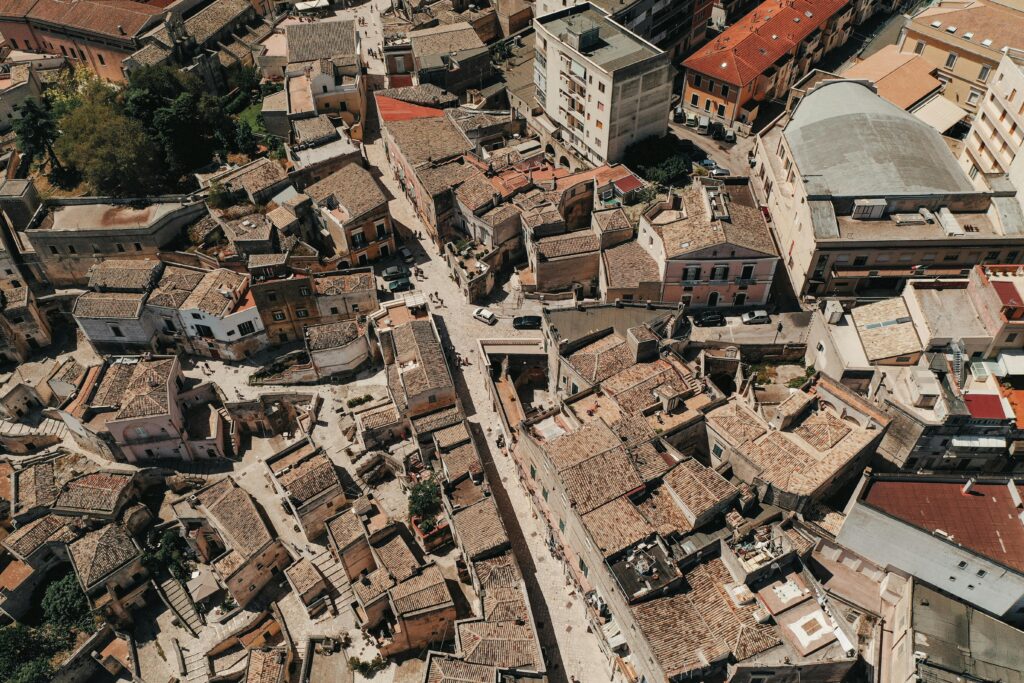
- Historic townhouses in medieval villages
- Modern apartments in city centers
- Rural properties with land for olive oil or wine production
Hidden Costs and Legal Hurdles
While the dream is real, buyers must navigate:
- Complex legal bureaucracy
- High renovation and maintenance costs
- Inheritance and property taxes
- Utility infrastructure and zoning laws
It’s highly recommended to work with a bilingual real estate agent, notary (notaio), and an Italian tax advisor.
Cultural Shift: Americans Changing Italy’s Housing Market?
In some smaller towns, American arrivals are revitalizing empty villages—buying up abandoned homes and investing in local businesses. However, in popular cities, critics say it could contribute to rising home prices and local displacement, sparking tension similar to other global tourist hotspots.
Frequently Asked Questions (FAQ)
Q: Can foreigners legally buy property in Italy?
A: Yes. Americans can buy property in Italy without needing citizenship or residency.
Q: What’s the average price for a vacation home in Italy?
A: It ranges widely—€100,000–€300,000 for homes in smaller towns or southern regions, but much higher in cities like Rome or Milan.
Q: Is it easy to rent out your property on Airbnb in Italy?
A: It depends on local regulations. Some cities (like Florence and Venice) have tightened rules, while rural areas are more relaxed.
Q: What visa do I need to live in Italy part-time or full-time?
A: Options include the Elective Residency Visa (for those with passive income) and the Digital Nomad Visa (for remote workers, pending final approval).
Q: Are these investments profitable?
A: In tourist-heavy zones, yes—especially if the property is renovated and well-marketed. But returns vary by location, season, and management.
Sources Business Insider