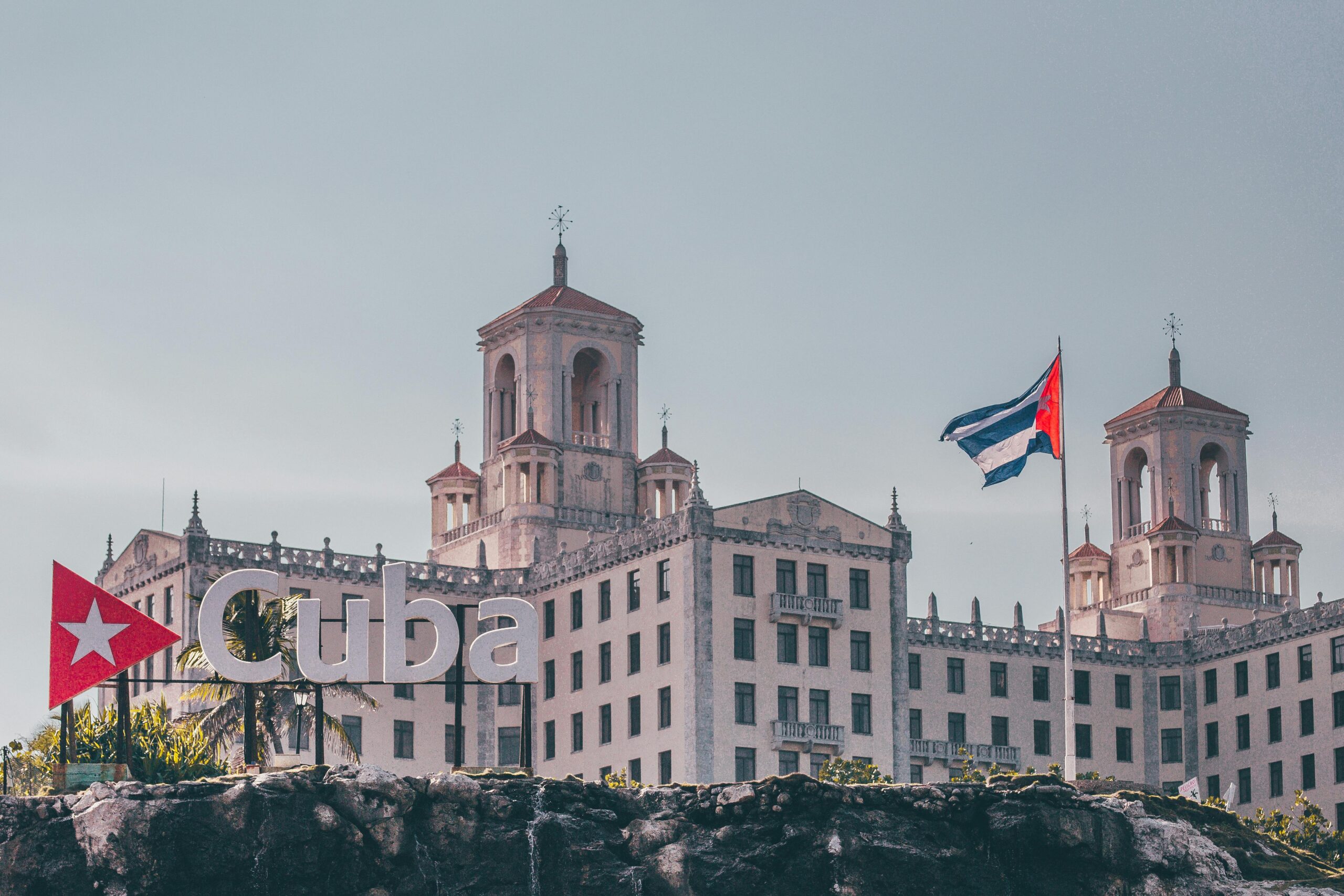
Former President Trump has reimposed aggressive sanctions aimed squarely at Cuba’s struggling tourism sector—adding a punishing twist to years of economic hardship. With the industry already limping back from pandemic losses and energy crises, this new policy risks long-term devastation and strategic fallout.
🔍 1. What’s in the Latest Sanctions?
- A presidential memorandum reinstated Cuba to the U.S. State Sponsors of Terrorism list and updated the Cuba Restricted List, reactivating stringent financial restrictions and bans on dealings with military-controlled entities like GAESA.
- The ban explicitly prohibits American tourism—cruise visits, hotel stays, and all non-exempt travel—paired with heightened audits and documentation requirements for U.S. travelers.
- Sanctions also limit foreign investment and financial transmissions while penalizing any companies associated with Cuban military institutions.
📉 2. Already Faltering—Now in Freefall
- Cuba’s tourism numbers have fallen from 4.7 million in 2019 to around 2.2 million in 2024.
- Analysts predict tourism won’t return to pre-pandemic levels before 2030, citing embargoes, fuel shortages, and structural market weaknesses.
- With tourism revenues down 30% year-over-year, most visitors now come from Canada, Russia, and China—under government-controlled tourist packages.
🌐 3. Why This Deepens the Crisis
- Economic Hardship: Tourism supports a huge portion of Cuba’s dollar-based income. Its collapse intensifies inflation, supply shortages, and increases reliance on informal economies.
- Labor Flight: Skilled professionals, including those in tourism, are increasingly leaving the country, compounding service quality and resource issues.
- Fiscal Strain: Cuba’s already fragile economy faces stagnation, with GDP growth projections reduced further due to reduced international travel.
- Market Shift to China: In response to U.S. sanctions, Cuba is seeking deeper tourism ties with China, including visa waivers and expanded flights—but the returns are uncertain and limited.
🧭 4. What Was Missing From Original Reports
- Institutional Weakness: Cuba still lacks a comprehensive tourism recovery plan, even though tourism remains its third-largest economic driver.
- Impact on Locals: Independent businesses like homestay operators, tour guides, and small restaurant owners face severe loss of income, often without safety nets.
- Sustainability Concerns: Construction of mega-hotels has drawn criticism for taking priority over investment in health, energy, and public services.
- Legal Uncertainty: U.S. sanctions are also reviving legal risks for foreign businesses operating in Cuba, which may deter future investment and long-term partnerships.
❓ Frequently Asked Questions
Q1: Can Americans still travel to Cuba?
No. All non-exempt travel for tourism from the U.S. is now prohibited under newly reinforced sanctions. Exceptions are limited to humanitarian, family, or educational visits.
Q2: Why are these sanctions returning now?
The sanctions appeal to Cuban-American voters and are framed as part of a broader stance against authoritarian regimes. They also target Cuban military-linked firms.
Q3: Will tourism continue from other countries?
Yes, but growth is limited. Canada, Russia, and China remain Cuba’s key markets, although competition from other Caribbean destinations is intense.
Q4: What about Cuba’s plan to recover?
There is currently no clearly defined, public long-term tourism recovery strategy. Many experts have criticized the lack of direction and resource coordination.
Q5: How are ordinary Cubans affected?
They face worsening job prospects, price inflation, and reduced access to basic services. For those working in tourism, income loss has pushed many into precarious or black-market work.
🧭 Final Take
Trump’s revived sanctions hit Cuba where it hurts most—its tourism industry. Without immediate recovery tools or alternative economic lifelines, the nation could face prolonged instability. While pivoting to non-U.S. markets may offer temporary relief, the absence of a comprehensive plan threatens to turn Cuba’s tourism decline into a long-term economic crisis.
Sources Bloomberg