
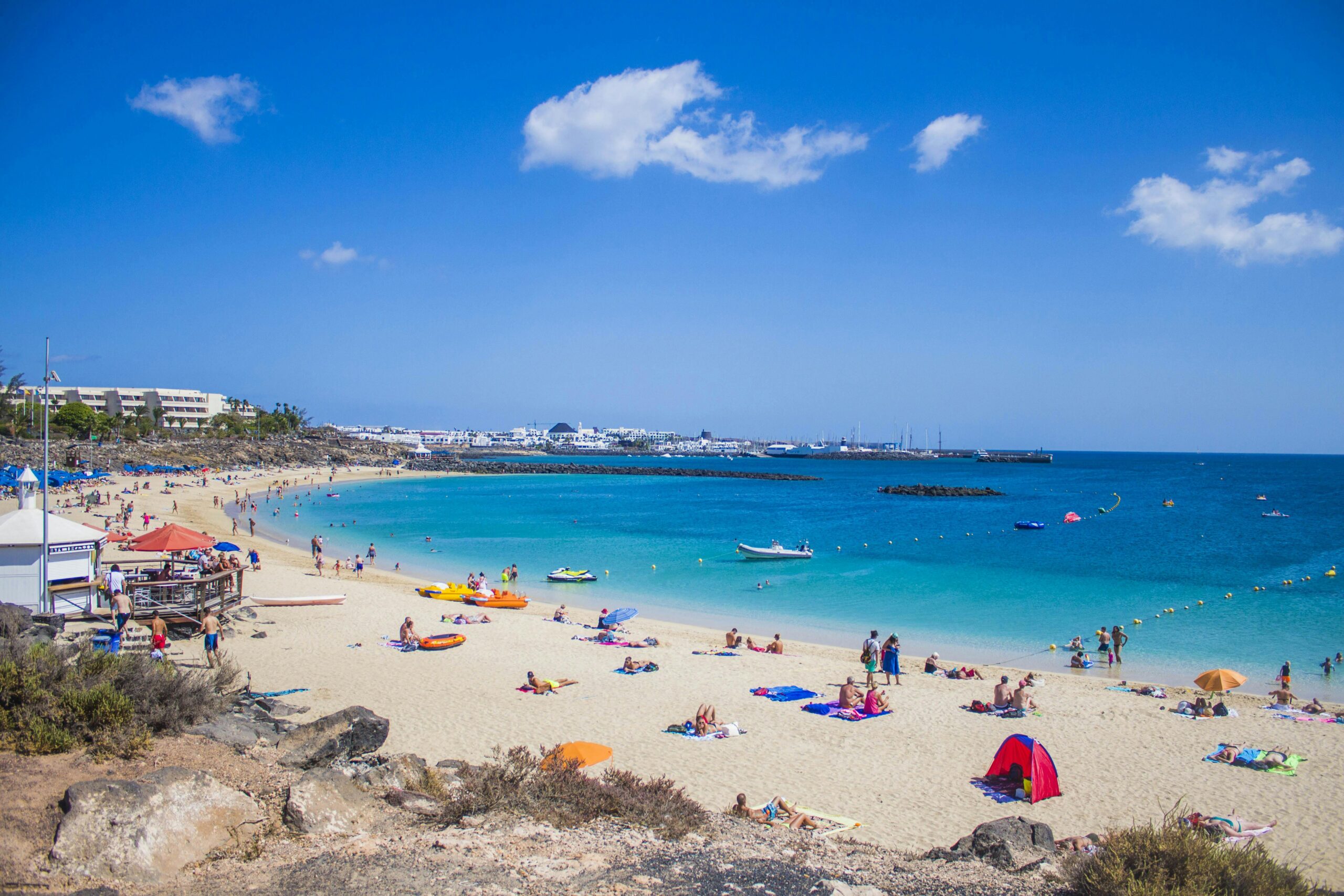
Spain’s golden beaches, once a summer sanctuary for locals, are now swarming with record-breaking tourist crowds—and many Spaniards are no longer able to afford or access the very shores they grew up loving. With over 100 million international visitors expected in 2025, the situation has sparked protests, policy changes, and a national debate about who the beaches really belong to.

🧳 From Summer Retreat to Tourist Takeover
Spain’s coastal destinations—like Málaga, Mallorca, and San Sebastián—have seen hotel rates surge over 20%, making beach vacations unaffordable for many Spanish families. In 2024 alone, nearly 800,000 locals skipped their usual beach holiday, opting instead for inland getaways in quieter, cheaper towns such as Burgos or El Bosque.
While tourism contributes around 13% to the nation’s GDP, its rapid growth has sparked an unexpected consequence: “turismofobia,” or tourism resentment.
🚧 Streets Fill with Protesters Instead of Beach Towels
Anger among residents has spilled into the streets. Cities including Barcelona, Palma de Mallorca, and the Canary Islands have witnessed anti-tourism marches, water-pistol demonstrations, and banners demanding “Tourists Go Home.” The frustration isn’t just about crowds—it’s about rising rents, overburdened infrastructure, and the cultural erosion of everyday life.
🏛️ Government Response: New Rules for a New Reality
In response, Spain has introduced a host of new regulations:
- Higher tourist taxes
- Limits on short-term vacation rentals
- Bans on oversized beach gear
- Quotas on guided tours in historic districts
Some local governments, like Málaga’s, have even frozen new tourist rental licenses to stabilize the housing market.
Additionally, national tourism campaigns are now promoting inland travel and off-season exploration to reduce pressure on the coast.
🏠 Coastal Living Under Siege
It’s not just vacations that are being affected. In many cities, locals are being priced out of their own neighborhoods. Short-term rental platforms have turned residential buildings into de facto hotels, and courts have even begun shutting down illegal tourist flats for causing psychological distress to long-term residents.
While tourism boosts local economies, it also worsens inequality—leaving locals feeling like outsiders in their own communities.
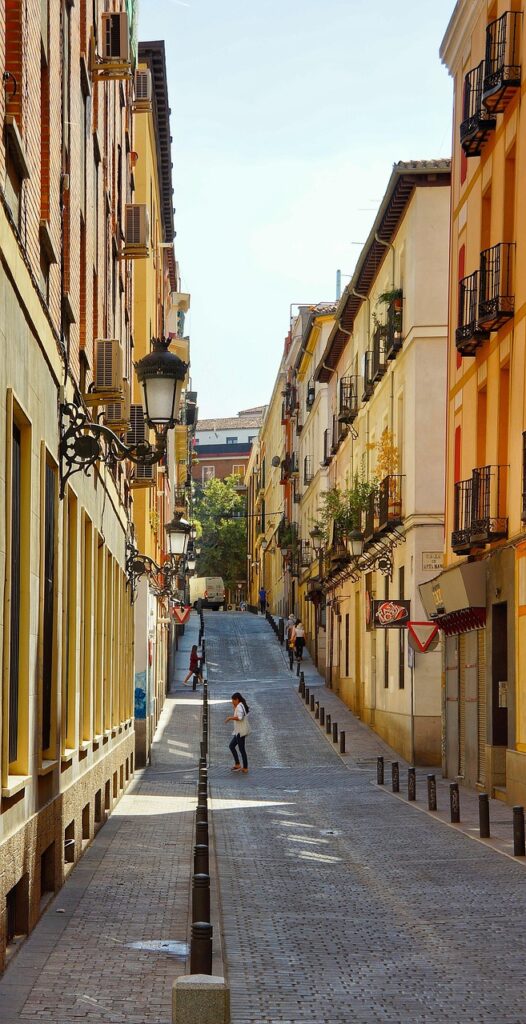
🌿 Can Smart Tourism Save the Day?
To ease tensions, cities are experimenting with smart tourism strategies—using data, sensors, and AI tools to monitor crowds and manage foot traffic. Policies now aim to create a “quality over quantity” tourism model, preserving cultural and environmental sustainability while still welcoming global travelers.
But whether these changes will be enough remains to be seen.
❓ FAQ: What You Need to Know
Q1: Why are Spaniards avoiding their own beaches?
Because of skyrocketing costs and overcrowding. Foreign tourism has made coastal destinations unaffordable and unpleasant for many locals.
Q2: What’s being done to fix it?
Authorities are implementing rental restrictions, higher tourist taxes, and promotional campaigns for lesser-known inland areas.
Q3: Are these protests new?
No. Anti-tourism protests have been growing steadily over the past few years, but 2025 has seen their biggest turnout yet.
Q4: Is tourism in Spain declining?
Not at all. International tourism is at an all-time high. The challenge is managing it responsibly.
Q5: How can tourists help?
By traveling during off-peak seasons, staying in registered accommodations, respecting local customs, and spending money in locally owned businesses.
🧭 Final Thoughts: Reclaiming the Coast
Spain is at a turning point. It must balance its global appeal with the wellbeing of its own citizens. The solution isn’t to shut out tourists—but to ensure that tourism enriches local life rather than replaces it.
Because in the end, a beach belongs to more than just its visitors—it belongs to its people.
Sources Reuters

