
France’s unique combination of long holidays, scenic landscapes, rich heritage, and precise social customs make it enchanting—and in some ways complex—for many travelers. Here’s what to know:
🎒 1. French Holiday Culture & Timing
- The Grande Vacances: Many families in France treat July–August as sacred time off. Even city shops may close during these “juilletistes vs aoûtiens” summer cycles.
- Road congestion alerts: Agencies like Bison Futé issue “red” or “black” alerts during big travel weekends—especially early July, Bastille Day (July 14), and late August. Major routes like A7 (Lyon–Provence), A10 (Bordeaux–Tours), and Mont‑Blanc tunnel see severe delays.
- Domestic tourism boom: French residents make up around 70% of holiday traffic. Pet-friendly, slow road trips are common, with many families seeking quieter countryside destinations rather than Paris-centric itineraries.
🚗 2. Road Trip Essentials & Etiquette
- Choose scenic routes wisely: Consider pit stops in “villages‑étapes”—small towns with services and charm that break up long drives.
- Drive courteously: Avoid tailgating, honking unnecessarily, or blocking local traffic patterns. French drivers prioritize assertiveness—anticipate some pressure on the autoroute.
- In-car etiquette: Share responsibilities (navigation, fuel stops), avoid strong-smelling foods, respect the driver’s space, and minimize backseat distractions.
- Pack smart: Include a map, water, snacks, a first-aid kit, and plan fuel stops in rural areas.
😌 3. French Etiquette & Respectful Behavior
Greetings & Politeness
- Always say “Bonjour” when entering shops, cafés, or restaurants—or shift to “Bonsoir” after early evening. Failure to greet is seen as rude.
- Use Monsieur/Madame and polite phrases like “s’il vous plaît” and “merci.” Avoid shouting or demanding gestures.
At Meals
- Meals, especially lunch or dinner, are unhurried events. Don’t rush staff or ask for the check unsolicited.
- Service is usually included in your bill—leaving €1–€2 or rounding up is appreciated, but tipping rates like elsewhere aren’t expected.
- Never call a server with “garçon”; instead, make polite eye contact and say “s’il vous plaît.”
Dress & Behavior
- Dress cleanly and smartly—avoid flip-flops, tank tops, athletic gear, or loud clothing in public spaces.
- Use indoor voices—especially in cafés, trains, and museums. Loud laughter or phone conversations may draw disapproval.
- If offered la bise (air kisses)—follow the lead of locals, matching the cheek count and rhythm.
🎨 4. Doable Tourist Habits
- Learn basic French: Even simple phrases like “bonjour,” “merci,” and “où sont les toilettes ?” go a long way toward goodwill.
- Stay off your phone in queues—for example at boulangeries or metro stations—to respect local pacing.
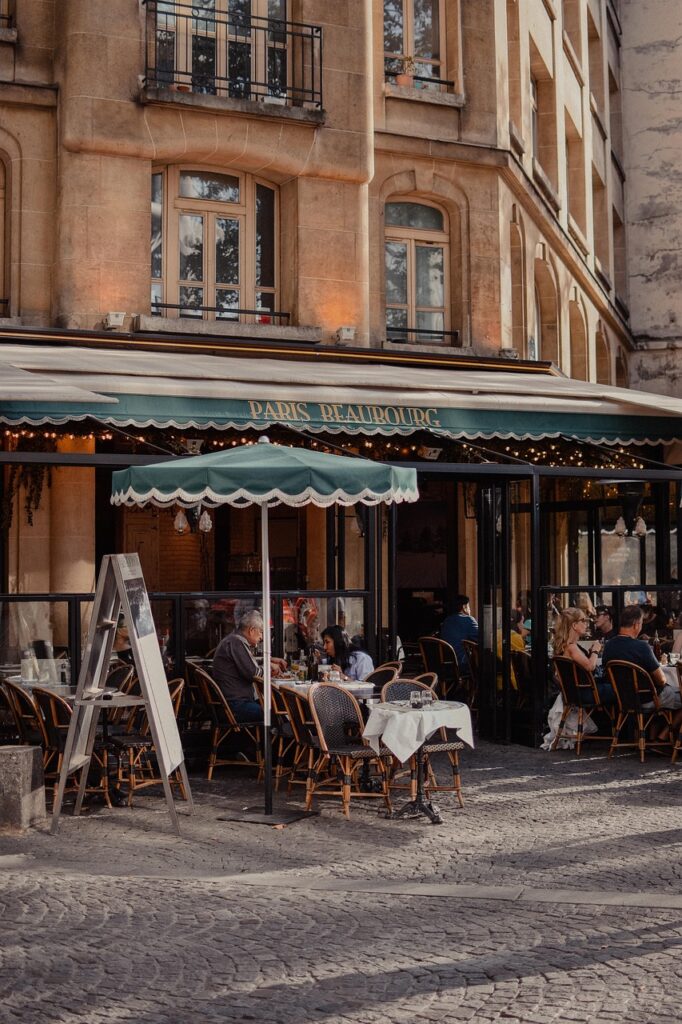
- Dining: Wait to be seated in restaurants unless signs say otherwise. Only ask for the check when finished (“l’addition, s’il vous plaît”).
🏞️ 5. Hidden Gems: Beyond Paris & Provence
- Cultural festivals: Visit regions like Tarn in southern France, where medieval festivals, wine fairs, or local carnivals highlight community life.
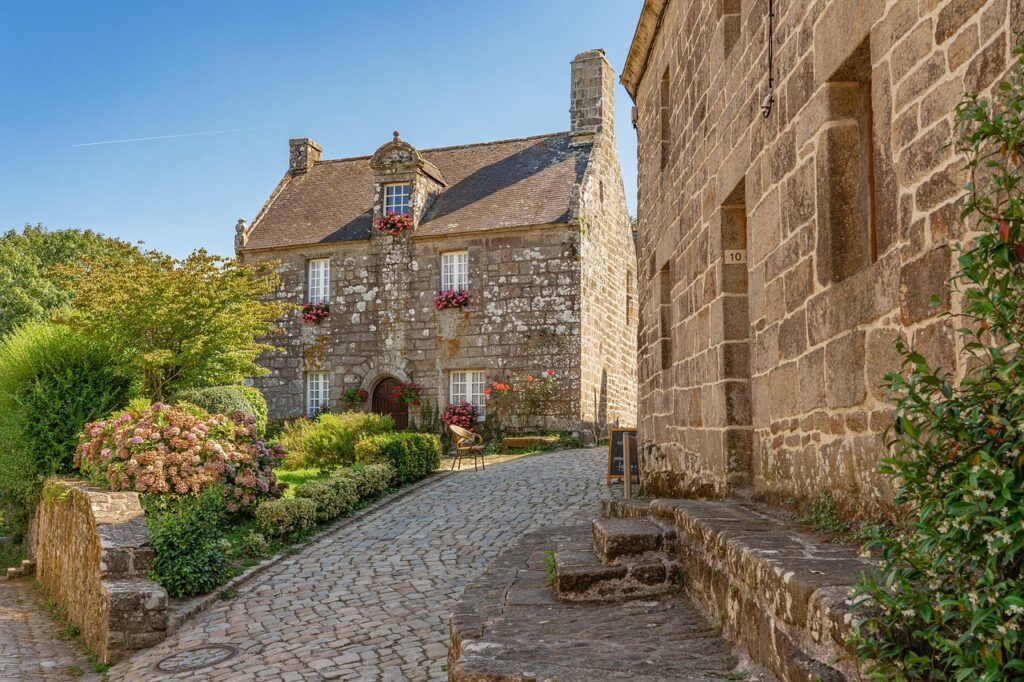
- Smaller towns: Explore villages listed among Les Plus Beaux Villages de France, such as Montsoreau and Locronan.
- Thematic art trails: Nantes hosts Voyage à Nantes, a public art and heritage experience, with summer exhibitions spread across the city.
- Seasonal variety: April–June and September–October offer warm weather and fewer crowds, ideal for exploring Provence, Loire Valley château country, or the French Alps.
❓ Frequently Asked Questions
Q: When should I avoid driving in France?
A: Avoid key autoroutes like A7, A10, and A61 during peak holiday weekends—particularly midday and early evening. Check Bison Futé alerts before setting out.
Q: Do I really need to say “bonjour” everywhere?
A: Yes—failure to greet in shops, cafés, or bakeries is often taken as impolite, especially in smaller towns.
Q: What about tipping?
A: Service is typically included in bills. Leaving a small euro or two for excellent service is polite, but no obligation.
Q: How should I dress?
A: Choose “casual chic”—avoid overly casual items like flip-flops, shorts, sweatpants, or athletic gear unless you’re hiking or sporty.
Q: Can I travel in August or are things closed?
A: Some businesses do shut down mid-August—but many towns remain lively, especially in Provence and coastal regions. Advance planning helps.
📝 Final Thoughts
Mastering French travel combines practical timing—like avoiding holiday road jam days—and cultural respect, from greetings to dress. Whether you’re road-tripping past vineyards, wandering cobbled villages, or relaxing in Mediterranean sunshine, simple etiquette and thoughtful planning transform your tour into a genuine encounter with French life.
Safe travels—and bon séjour!
Sources The Local France

