
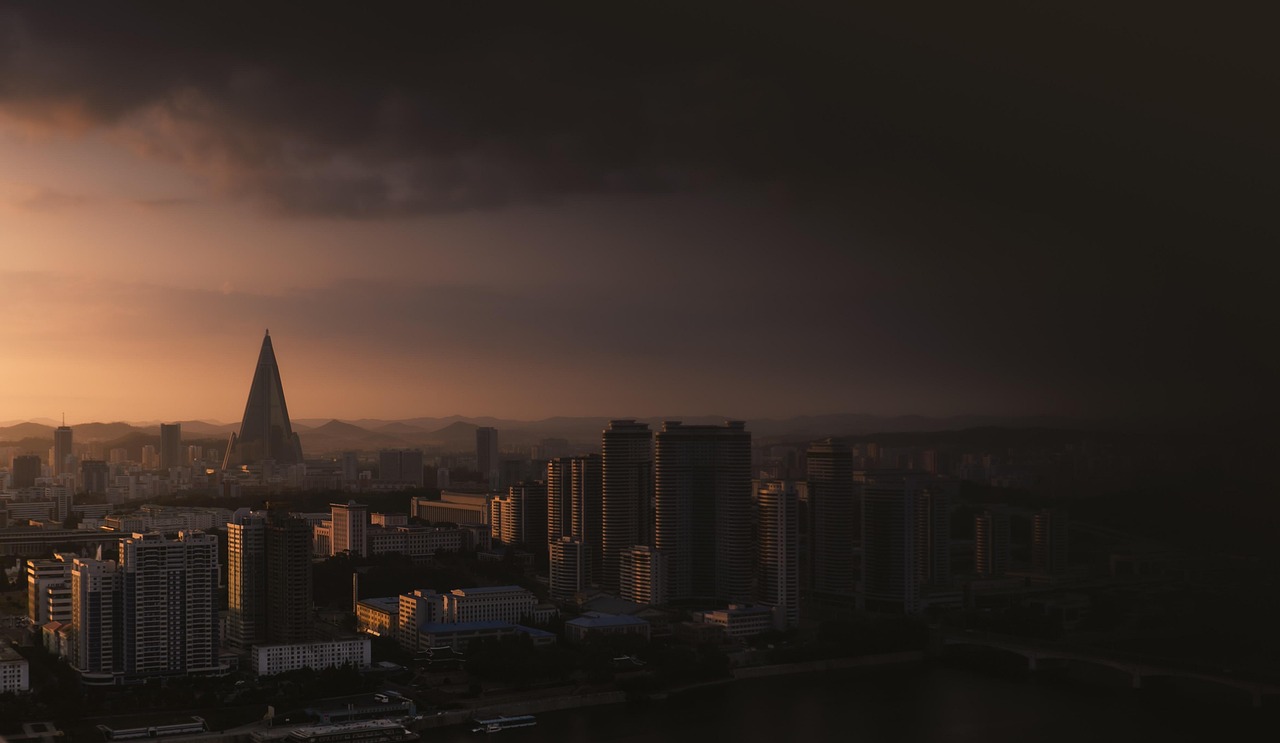
North Korea has swiftly shifted gears on its ambitious Wonsan-Kalma coastal development: a massive beachside resort built to host up to 20,000 guests, including foreign visitors. Just days after opening to domestic tourists, the regime unexpectedly barred all foreign tourists—with only a handful of Russians allowed briefly—raising pressing questions about strategy, optics, and future policy.
🌅 1. Resort Royale: North Korea’s Lavish Showcase
- The resort spans a 4 km beachfront and features luxury hotels, private villas, a waterpark, restaurants, and its own airport and tram systems.
- The grand unveiling in late June included Kim Jong Un, his family, and the Russian ambassador, amid lavish celebrations.
- With tourism among the few hard-currency earners North Korea can tap under sanctions, the resort aligns with post-COVID efforts to reopen and attract guests—especially from Russia and China.
🛂 2. Foreign Access: Restricted and Risky
- Days after allowing a small group of Russian tourists—and a visit by Russia’s Foreign Minister Lavrov—the regime announced that foreign tourists are now prohibited. No duration or reason was given.
- Observers suspect Russia may still maintain limited access, though broader markets like China remain blocked for now.
- The shutdown followed reports of “mock” tourist setups staged for appearances, prompting concern that the resort is more propaganda than hospitality.
🤔 3. What Was Missed: Deeper Context
- Lavrov’s visit underscores a developing pivot toward Russia—North Korea’s key ally—as a partner in tourism and sanctions evasion.
- Human rights advocates highlight allegations of forced labor in the resort’s construction, warning that it commodifies suffering.
- Financial strain may compel North Korea to reauthorize foreign visitation—eventually leveraging Chinese tourists where possible.
- Satellite analysts warned the resort remains incomplete, with empty hotels being occupied by displaced citizens ahead of open season.
- Tour access remains tightly controlled—no independent travel, constant government surveillance, and pre-approved hotel assignments. Outreach remains the exception, not the rule.
❓ Frequently Asked Questions
Q1: Why did North Korea ban foreign tourists so quickly?
Likely triggered by staged appearances that exposed weak domestic activity and sparked concerns about optics among global audiences.
Q2: Who has been allowed in so far?
A small group of Russians and very select foreign visitors were briefly permitted. Western and Chinese groups remain sidelined.
Q3: Is the resort finished?
Not entirely—satellite imagery indicates many facilities remain incomplete, and reports mention displaced citizens occupying vacant buildings prior to launch.
Q4: Could this reopen for tourists?
Probably—but only after further investment, infrastructure completion, and expansion of foreign partnerships, especially with Russia and possibly China.
Q5: What are the risks in visiting?
Visitors could face staged propaganda environments, travel restrictions, and human rights concerns due to forced-labor ties. Independent movement is impossible.
🧭 Final Assessment
The Wonsan-Kalma resort is a bold, kaleidoscopic showcase engineered to signal North Korea’s ambition—but its swift closure to foreign tourists highlights deeper complications. From geopolitical signaling with Russia to human rights scrutiny and infrastructural gaps, the resort remains symbolic rather than functional. If North Korea truly wants to turn it into a revenue-generating tourism hub, it must first address legitimacy issues, complete its infrastructure, and broaden access—if only to its closest partners.
Sources abc News

