
Qatar is doing something unusual in global tourism.
It is not just recovering.
It is repositioning itself.
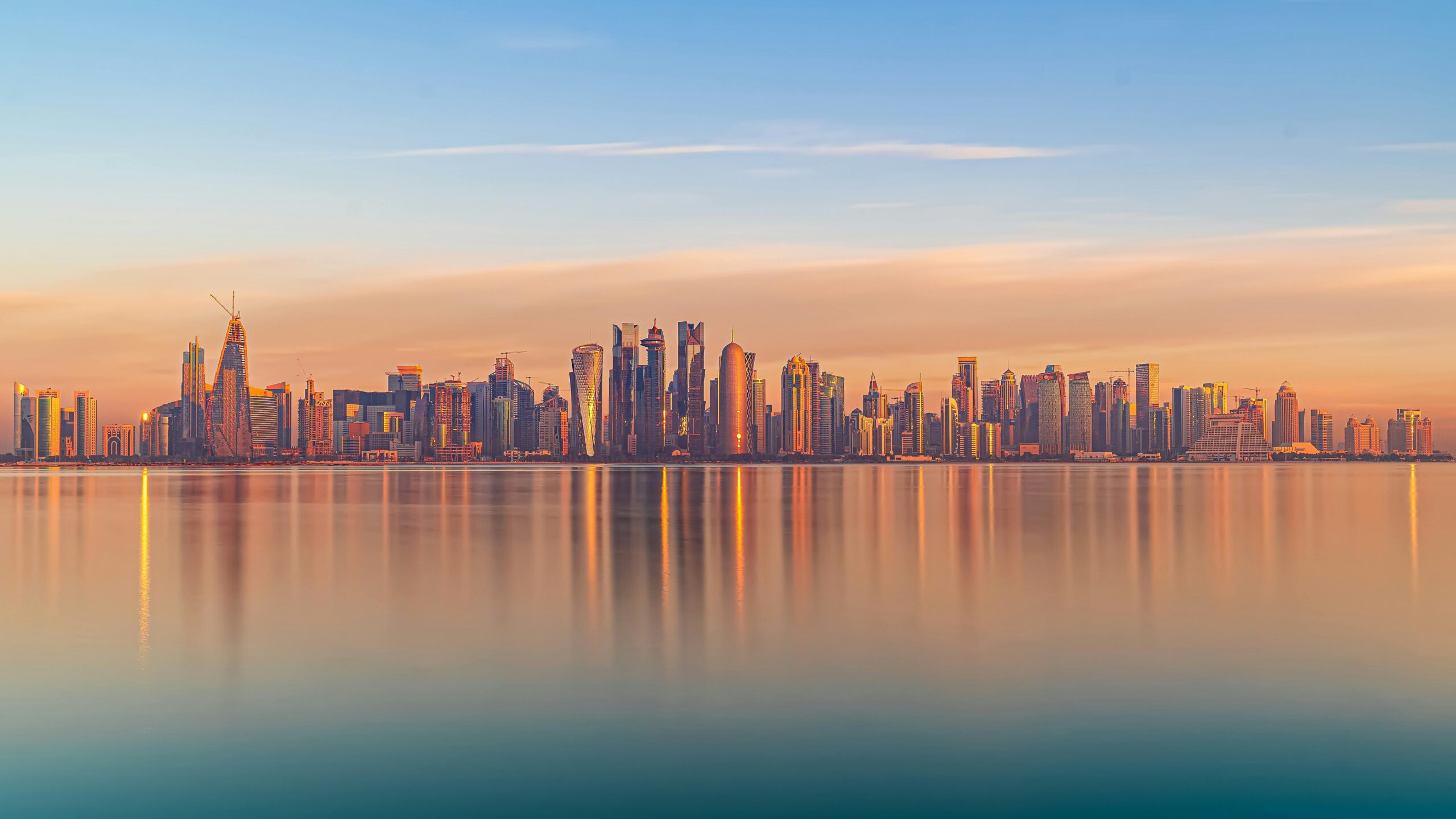
After years of massive infrastructure investment, global visibility from the FIFA World Cup, and a strategic pivot toward cultural and business tourism, Qatar’s tourism sector is showing strong resilience — and signaling that it is ready to welcome visitors at scale again.
But the deeper story is not simply “recovery.”
It is transformation.
Qatar is no longer trying to be a stopover destination.
It is trying to become a destination in its own right.
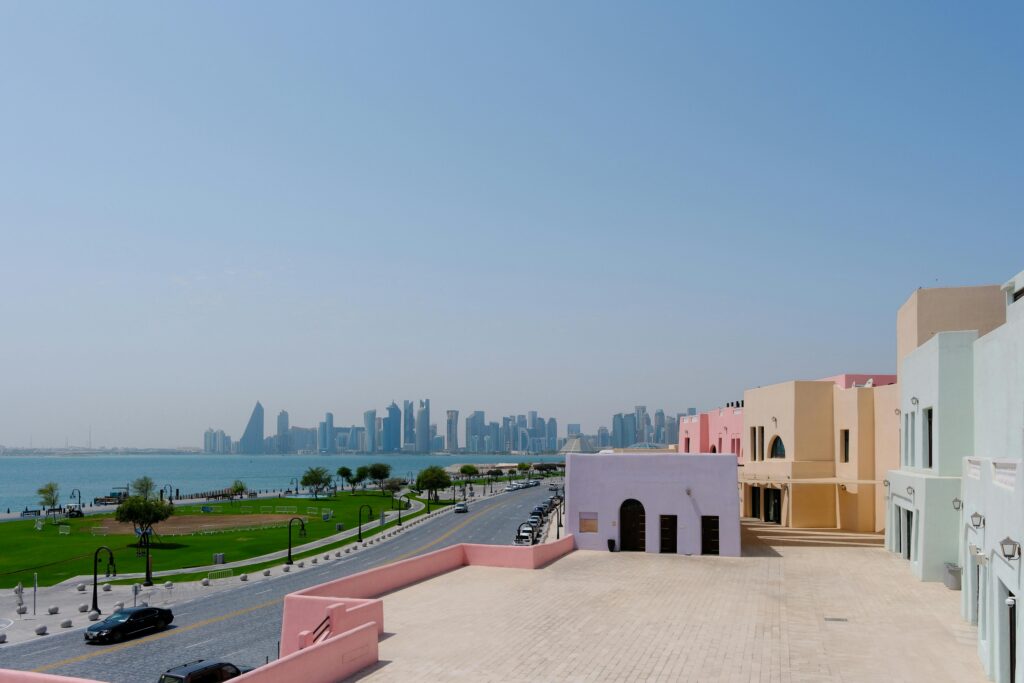
🏙️ From transit hub to global destination
For decades, Qatar’s role in travel was simple:
a convenient layover point between Europe, Asia, and Africa.
Doha’s Hamad International Airport became world-famous for connectivity, but most travelers never left the terminal.
That has changed dramatically.
Now Qatar is actively building demand for:
- extended stays
- cultural tourism
- luxury travel
- sports tourism
- desert and heritage experiences
The strategy is clear:
turn stopovers into full vacations.
⚽ The World Cup effect is still working
The 2022 FIFA World Cup was more than a sporting event.
It was a global marketing engine.
It achieved three long-term outcomes:
1. Infrastructure acceleration
- new metro systems
- expanded airport capacity
- modernized roads and hospitality districts
2. Global visibility
Billions of viewers were exposed to:
- Doha skyline
- stadium architecture
- desert landscapes
- modern Arab identity
3. Tourism credibility shift
Qatar proved it could:
- host millions of visitors
- manage logistics at scale
- deliver international standards of hospitality
The impact didn’t end with the tournament.
It created a long-tail tourism reputation boost that continues today.
🧭 Qatar’s tourism strategy: high-value, not high-volume
Unlike mass tourism destinations, Qatar is not chasing the highest number of visitors.
It is targeting premium, high-spending, experience-driven tourism.
That means focusing on:
- luxury hotels and resorts
- curated cultural experiences
- international events
- business conferences
- sports tourism calendars
This is a deliberate economic strategy:
fewer tourists, higher revenue per visitor.
🏝️ What Qatar offers beyond the skyline
Qatar’s tourism identity is often misunderstood as purely modern and urban.
But the country is building a layered experience portfolio:
🌆 Doha city experiences
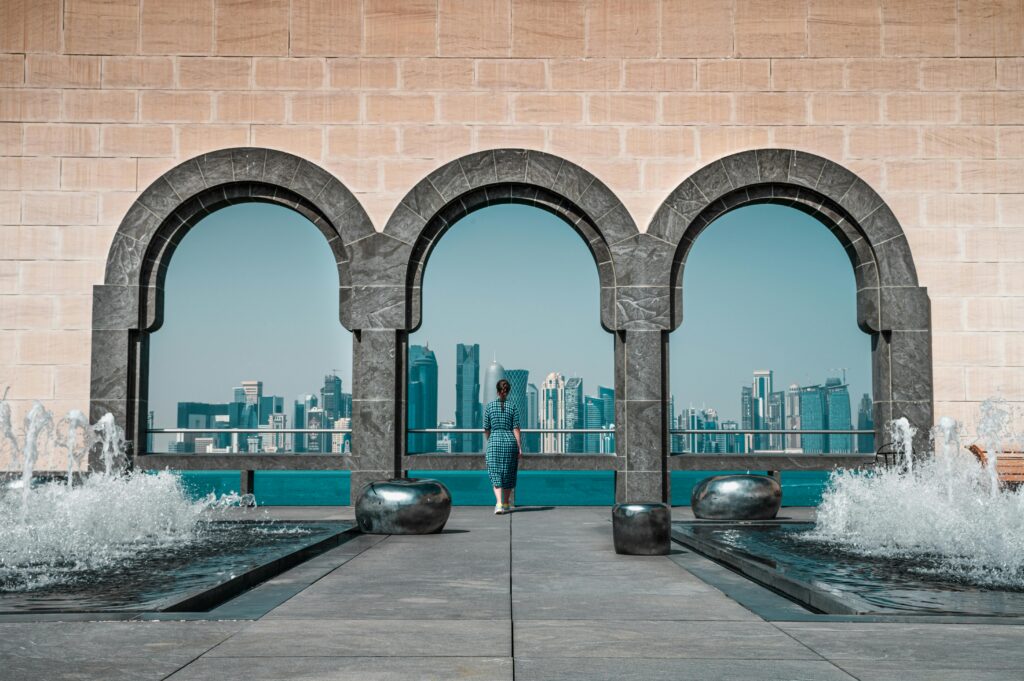
- Museum of Islamic Art
- National Museum of Qatar
- futuristic skyline districts
- waterfront promenades
🏜️ Desert tourism
- dune bashing
- desert camps
- inland sea (Khor Al Adaid)
- Bedouin cultural experiences
🛍️ Cultural and retail tourism
- Souq Waqif traditional market
- luxury shopping districts
- artisan crafts and cultural performances
⚽ Sports and event tourism
- Formula 1 events
- tennis and athletics tournaments
- football leagues and international matches
Qatar is intentionally diversifying beyond “business travel + layovers.”
🧠 The real engine: state-led tourism engineering
Qatar’s tourism boom is not organic in the traditional sense.
It is state-orchestrated economic design.
Key pillars include:
- Qatar National Vision 2030
- heavy investment in hospitality infrastructure
- airline expansion via Qatar Airways
- global event hosting strategy
- cultural institution development
This is a textbook example of:
top-down tourism system building.
Few countries execute tourism strategy with this level of centralized coordination.
✈️ Why tourists are returning now
Several factors are driving renewed visitor interest:
1. Improved accessibility
Doha has become one of the world’s strongest global transit hubs.
2. Safe, stable environment
Qatar is perceived as:
- politically stable
- highly secure
- infrastructure-rich
3. Event-driven travel calendar
Regular international events keep tourism demand active year-round.
4. Luxury travel demand growth
Global travelers are increasingly shifting toward:
- curated experiences
- comfort-focused travel
- high-end hospitality ecosystems
Qatar fits this trend perfectly.
💰 Tourism economics: small country, high impact strategy
Qatar’s model is built on efficiency, not scale.
Instead of competing with destinations like Turkey or Thailand on visitor volume, it focuses on:
- luxury spending per tourist
- long-term business tourism contracts
- event-based economic spikes
- airline-driven visitor inflow
This makes tourism less seasonal and more structurally stable.
🌍 Regional competition in the Gulf
Qatar is not operating in isolation.
It is part of a competitive Gulf tourism landscape:
- 🇦🇪 United Arab Emirates: global tourism hub model (Dubai, Abu Dhabi)
- 🇸🇦 Saudi Arabia: aggressive mega-project tourism expansion
- 🇴🇲 Oman: nature and heritage tourism focus
- 🇧🇭 Bahrain: niche cultural tourism positioning
Qatar’s differentiation strategy:
“compact luxury + cultural depth + event-driven tourism”
🔮 What’s next for Qatar tourism?
Several future directions are emerging:
1. Cultural deepening
More investment in:
- museums
- art institutions
- heritage preservation
2. AI-powered tourism services
Expect growth in:
- smart travel planning tools
- digital concierge systems
- automated visitor personalization
3. Expanded cruise and regional tourism links
Qatar is increasingly positioning itself in Gulf cruise circuits.
4. Sustainability branding
Climate-conscious infrastructure and desert preservation projects will become part of tourism identity.
⚖️ The challenge: perception vs reality
Despite strong infrastructure, Qatar still faces perception gaps:
- “stopover destination” reputation
- limited global awareness of attractions beyond Doha
- competition from better-known regional destinations
The current challenge is not building tourism capacity.
It is:
reshaping global imagination.
❓ FAQ: Qatar tourism sector
1. Is Qatar open to tourists now?
Yes. Qatar is fully open to international tourists with streamlined visa policies for many nationalities.
2. What is Qatar best known for in tourism?
Doha skyline, museums, desert experiences, luxury hotels, and major global sporting events.
3. Is Qatar only a stopover destination?
No. It is actively developing into a full tourism destination with extended stay experiences.
4. Is Qatar expensive for tourists?
It is generally positioned as a premium destination, but mid-range options are available.
5. What is driving Qatar’s tourism growth?
Infrastructure investment, global events, airline connectivity, and luxury tourism demand.
6. How does Qatar compare to Dubai?
Dubai focuses on scale and global tourism volume, while Qatar focuses more on curated luxury and cultural depth.
🧭 Final thought
Qatar’s tourism story is not about recovery.
It is about reinvention.
It is one of the clearest examples of a country attempting to design tourism as a national system rather than an organic industry.
And in that system, every museum, stadium, airport, and desert camp is part of a larger equation:
how to turn visibility into permanence, and permanence into global relevance.
Sources Euro News

