
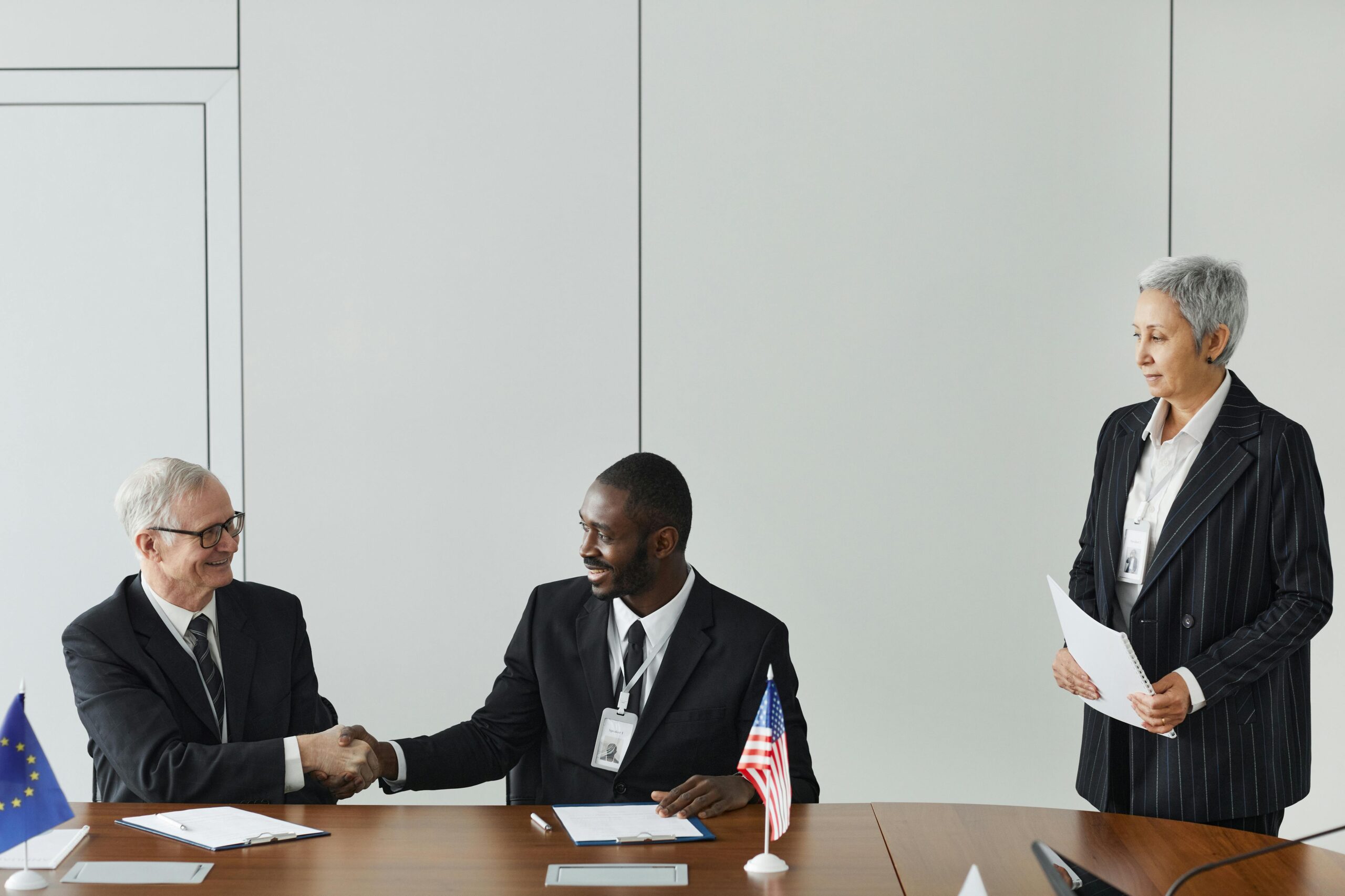
A recent exploration of U.S.–China relations highlights a seldom-discussed yet critical friction point: the role of language. Shared mistranslations, trimmed subtleties, and cultural blind spots often distort intentions, fueling misperceptions and tensions between two superpowers.
🔍 1. Where Words Become Weapons
a) Diplomatic ‘Soft Betrayals’
From 19th-century envoy missions to recent summit communiqués, translators have occasionally altered tone—sometimes subtly, sometimes drastically—to align with domestic expectations or perceived norms. For example, a U.S. envoy’s message may be translated as more deferential to Chinese hierarchy, reflecting cultural norms rather than original diplomatic intent.
b) High- vs. Low-Context Culture Clash
Chinese communication traditionally relies on indirect, nuanced language, while Americans favor direct explicitness. This foundational difference leads to misreads—what Americans view as “vague,” Chinese speakers see as polite diplomacy.
🎙️ 2. Real-World Flashpoints
i) Translator Controversy in Alaska 2021
During U.S.–China talks, China’s interpreter was praised for delivering a calm, faithful version of remarks, while the American side was accused of amplifying forceful phrasing. The interpreter’s skill helped de-escalate diplomatic theatrics.
ii) Biden’s “Competitor” vs. “Opponent”
When President Biden called China a “competitor” (less aggressive than “opponent”), translation ambiguities stirred misinterpretations about U.S. intent, fueling concerns about trustworthiness in diplomacy.
🤝 3. Consequences Beyond Words
- Eroded Trust: Accumulated mistranslations seed uncertainty; each misstep can inflame already tense diplomatic ties.
- Strategic Mislayering: Misreading intentions can cause either side to miscalculate responses.
- Media Echo Chambers: Mistranslations become headlines in both nations—or memes—escalating public sentiment independently of actual diplomatic positions.
🧩 4. Filling the Gaps: What Was Missed
- Translator Training & Screening
Both sides increasingly recruit linguists with dual cultural fluency and involve diplomatic monitors to ensure accuracy. - Institutional Commitment
Initiatives like language-focused institutes and fellowships aim to boost native-level language proficiency among future diplomats. - Soft-Power & Public Diplomacy
Events such as cultural exchanges and sports diplomacy show how shared activities can reshape public narratives and build trust. - Digital Era Challenges
As AI translation tools enter diplomatic usage, concerns arise about literal rendering versus capturing nuanced meaning. Human oversight remains critical.
❓ Frequently Asked Questions
Q1: How common are diplomatic mistranslations?
They’re more common than many realize—especially when high-context communication is translated without preserving subtext.
Q2: Do mistranslations matter to policy?
Absolutely. Misread tones and intentions can shift strategies, stiffen diplomatic posture, or mislead publics.
Q3: Can such errors be fixed?
Yes, but it takes proactive communication, cooperation among translators, and follow-up clarifications.
Q4: Is cultural fluency enough?
It’s not only enough—it’s essential. Deep understanding of idioms, tone, and historical framing makes translation accurate and meaningful.
Q5: Will AI help or worsen this?
AI can improve literal accuracy but may miss emotional nuance or cultural undertones. Human review is still crucial.
🧭 Final Take
Diplomatic words are not just words—they carry centuries of cultural weight. In high-stakes U.S.–China relations, even word-level drift can widen geopolitical rifts. Diplomats and policymakers should prioritize better translator training, culturally attuned communication, and oversight in emerging technologies.
Bridging this linguistic divide won’t solve all tensions—but it might prevent small missteps from snowballing into strategic crises.
Sources The Economist

