
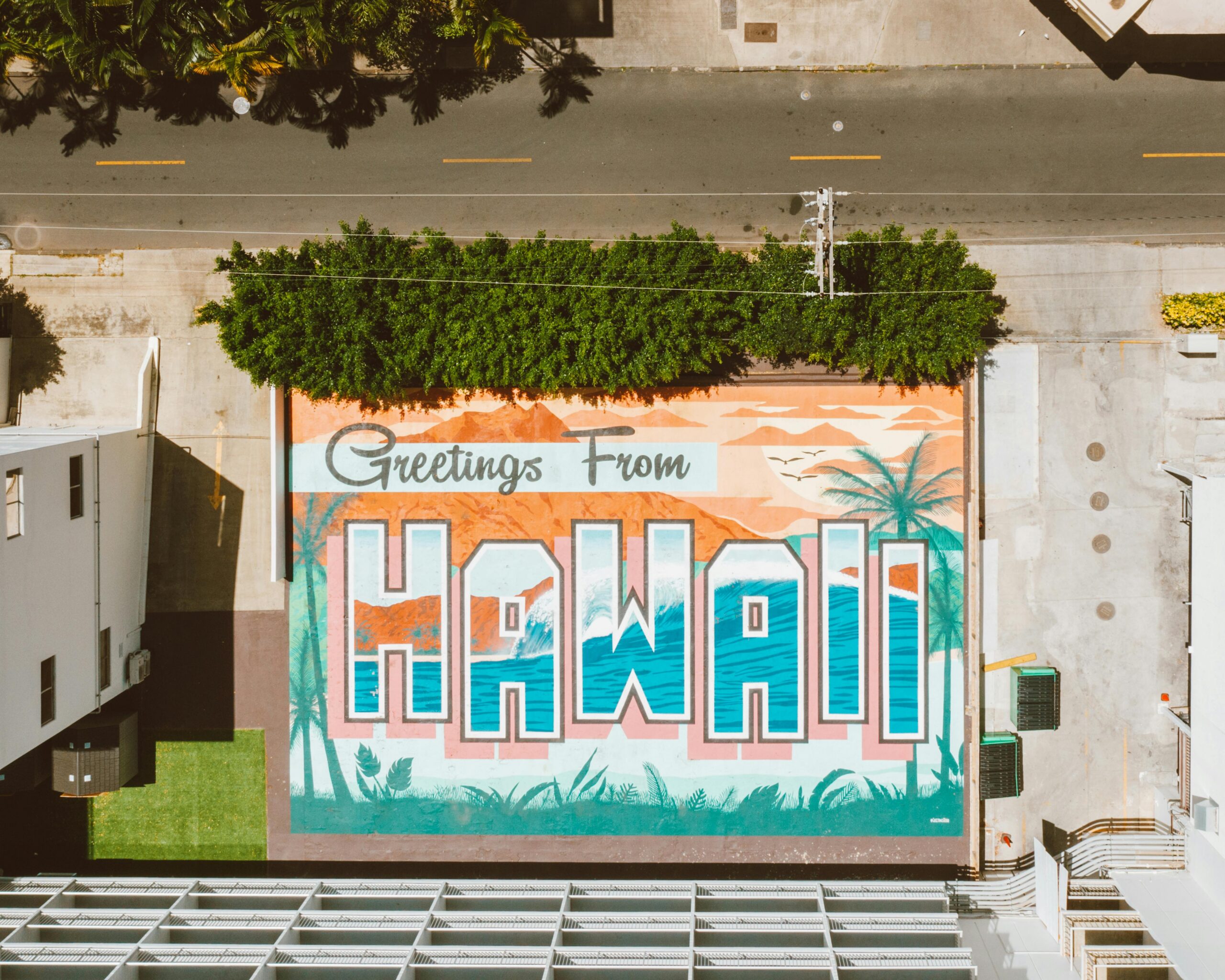
Hawaii is once again standing at a tourism crossroads.
The Hawaii Tourism Authority (HTA) has officially launched its search for a new president and CEO — a decision that may look administrative on the surface, but carries major implications for the future of tourism, local communities, environmental policy, and the state’s economic identity.
Because in modern Hawaii, tourism leadership is no longer just about attracting visitors.
It is about answering a far more difficult question:
How do you protect paradise while depending on it economically?
And whoever takes over the HTA will inherit one of the most politically sensitive tourism jobs in America.
🏝️ Why the Hawaii Tourism Authority matters so much
The HTA is not just a marketing agency.
It shapes:
- tourism strategy
- destination branding
- visitor management policy
- cultural preservation programs
- international tourism partnerships
- long-term sustainability initiatives
Tourism is Hawaii’s largest economic engine, supporting:
- hotels
- airlines
- restaurants
- transportation
- retail
- local tax revenue
- thousands of jobs
But tourism is also one of Hawaii’s greatest sources of tension.
That tension defines the CEO role.
⚖️ Hawaii’s tourism paradox
Hawaii depends on tourism economically while simultaneously struggling with the consequences of over-tourism.
Residents increasingly raise concerns about:
- overcrowded beaches
- environmental degradation
- rising housing costs
- traffic congestion
- strain on infrastructure
- commercialization of Hawaiian culture
This creates a difficult balancing act:
More visitors bring revenue. Too many visitors create backlash.
The next HTA leader must navigate both realities at once.
🌍 The tourism model itself is changing
For decades, Hawaii’s tourism strategy focused heavily on:
- maximizing arrivals
- international marketing
- resort expansion
- airline connectivity
But after the pandemic, public attitudes shifted.
Many local communities began asking:
- Should Hawaii prioritize fewer, higher-spending tourists?
- Should cultural preservation come before growth?
- Should tourism have stricter environmental limits?
The debate is no longer:
“How do we grow tourism?”
It is:
“What kind of tourism should Hawaii even want?”
🧠 Why this CEO search is unusually important
The incoming president and CEO will likely shape Hawaii’s tourism philosophy for the next decade.
Key issues awaiting the new leader include:
🌿 Sustainability management
Pressure is increasing to:
- reduce environmental impact
- protect coral reefs and beaches
- manage water usage
- limit overcrowding at sensitive sites
🏛️ Native Hawaiian cultural representation
A major criticism of past tourism campaigns was the commercialization of Hawaiian identity without meaningful local control.
Future tourism messaging may increasingly focus on:
- authentic cultural stewardship
- indigenous leadership participation
- respectful visitor education
✈️ Visitor management systems
Some policymakers support:
- reservation systems for popular sites
- tourism caps in certain areas
- dynamic pricing strategies
- better infrastructure planning
These ideas remain controversial but increasingly common globally.
💰 The economics behind the pressure
Tourism contributes billions to Hawaii’s economy.
But critics argue the benefits are unevenly distributed.
Common concerns include:
- high cost of living
- local worker displacement
- luxury development prioritization
- dependence on volatile tourism cycles
The next HTA leader will face pressure to make tourism:
not just profitable, but socially sustainable.

🌊 Climate change is now a tourism issue too
This is one of the biggest long-term challenges often overlooked in tourism discussions.
Hawaii faces increasing risks from:
- coastal erosion
- coral bleaching
- rising sea levels
- heat stress
- ecosystem damage
Tourism infrastructure itself may eventually need redesigning.
That means future tourism leadership must think beyond marketing and into:
- environmental resilience
- climate adaptation
- sustainable land management
In other words:
tourism policy is becoming environmental policy.
📱 The social media problem
Hawaii’s popularity has exploded through:
- Instagram travel culture
- influencer tourism
- viral hidden-location content
This has created new challenges:
- fragile sites overwhelmed overnight
- local frustration with disrespectful tourism behavior
- increased pressure on remote natural areas
The HTA increasingly has to manage:
not just tourism flows, but algorithm-driven tourism behavior.
That is a very modern problem.
🌏 Hawaii in the global tourism competition
Hawaii is also competing in a changing international tourism market.
Travelers now compare Hawaii against:
- Bali
- Maldives
- Fiji
- Thailand
- Mexico’s luxury resorts
The state must maintain:
- premium tourism appeal
- cultural uniqueness
- environmental quality
while keeping tourism economically accessible enough to remain competitive.
🔮 What kind of leader will Hawaii likely choose?
The ideal candidate will probably need expertise across multiple worlds:
- tourism economics
- sustainability policy
- cultural diplomacy
- government relations
- destination branding
- crisis management
The era of tourism CEOs functioning mainly as marketers is fading.
Modern destination leaders increasingly operate like:
environmental strategists + economic negotiators + cultural mediators.
🧭 The larger shift happening globally
Hawaii’s leadership search reflects a global tourism transformation.
Around the world, destinations are rethinking:
- mass tourism models
- sustainability limits
- local community rights
- cultural preservation
- environmental carrying capacity
Places like:
- Venice
- Barcelona
- Bali
- Iceland
- Kyoto
are all facing similar debates.
Hawaii is simply one of the clearest examples.
❓ FAQ: Hawaii Tourism Authority CEO search
1. What does the Hawaii Tourism Authority do?
The HTA manages tourism strategy, destination marketing, visitor education, and tourism-related policy initiatives across Hawaii.
2. Why is the new CEO search important?
Because tourism heavily impacts Hawaii’s economy, environment, and local communities. The new leader will influence long-term tourism direction.
3. What challenges will the next CEO face?
Over-tourism concerns, sustainability issues, cultural preservation debates, climate risks, and balancing economic growth with community impact.
4. Is Hawaii trying to reduce tourism?
Not necessarily reduce it completely, but many policymakers support shifting toward more sustainable and higher-value tourism models.
5. How does climate change affect Hawaii tourism?
Climate change threatens beaches, reefs, ecosystems, and infrastructure — all central to Hawaii’s tourism economy.
6. Could Hawaii introduce stricter visitor controls?
Possibly. Reservation systems, visitor limits, and sustainability-focused tourism policies are increasingly being discussed.
🧭 Final thought
The search for Hawaii’s next tourism leader is about far more than filling an executive position.
It is about deciding what Hawaii wants to become in the age of overtourism, climate pressure, and cultural reckoning.
For decades, paradise was marketed as infinite.
But islands are not infinite.
Their ecosystems are finite.
Their communities are finite.
Their cultural tolerance for unmanaged tourism is finite too.
And the next CEO of the Hawaii Tourism Authority may ultimately be tasked with answering the hardest tourism question of the 21st century:
How do you invite the world in… without slowly losing the place people came to see?

Sources Hawaii News Now

