
For years, tourism in places like Las Vegas, Orlando, or New York was easy to define.
Visitors arrived. Money flowed. Hotels filled. Restaurants thrived.
But in Walla Walla, Washington, tourism is evolving into something more intimate — and arguably more sustainable.
The city is increasingly treating tourism not simply as visitor spending, but as a form of community investment:
a tool to support local identity, preserve culture, strengthen small businesses, and improve quality of life for residents themselves.
That shift reflects a broader transformation happening across smaller American tourism destinations.
And Walla Walla may quietly be becoming one of the most interesting case studies in the country.
🌾 How Walla Walla became a tourism destination
Walla Walla was not originally built around tourism.
Historically, the region depended heavily on:
- agriculture
- wheat production
- food processing
- farming economies
But over time, the city developed a powerful second identity:
wine country.
Today, Walla Walla is nationally recognized for:
- wineries and tasting rooms
- food tourism
- boutique hospitality
- arts and culture
- historic downtown experiences
- outdoor recreation and agritourism
Its tourism appeal now stretches far beyond wine itself.
🍇 Wine tourism changed the local economy
The rise of wineries transformed downtown Walla Walla into a destination economy.
Tourism spending now supports:
- restaurants
- hotels and inns
- tasting rooms
- local retail
- event venues
- entertainment businesses
And unlike mega-tourism cities, Walla Walla’s tourism ecosystem is deeply local.
Many businesses are:
- independently owned
- community-connected
- integrated into daily local life
That creates a different kind of tourism relationship:
visitors are entering an active community, not a tourism-only zone.
🧠 Tourism as “community investment”
This idea is becoming central to local conversations.
Rather than measuring tourism purely through:
- hotel occupancy
- tax revenue
- visitor volume
Walla Walla increasingly frames tourism through questions like:
- Does it improve public spaces?
- Does it help sustain local culture?
- Does it create long-term economic resilience?
- Does it benefit residents year-round?
That philosophy matters because it changes priorities.
Instead of endless growth, the focus becomes:
sustainable integration between visitors and community life.
🏙️ Downtown revitalization is part of the strategy
Tourism revenue has helped support:
- historic preservation
- downtown redevelopment
- plaza improvements
- cultural programming
- community gathering spaces
Local discussions increasingly connect tourism dollars to:
- infrastructure investment
- arts funding
- public events
- neighborhood vitality
In this model, tourism is treated almost like:
an economic circulatory system for the town itself.
🍽️ Food culture is now as important as wine
Walla Walla’s tourism identity has expanded beyond vineyards.
The region has built a growing reputation for:
- chef-driven restaurants
- farm-to-table dining
- artisan food producers
- coffee culture
- seasonal culinary events
Visitors increasingly travel for:
- weekend lifestyle experiences
not just - wine tasting alone.
This diversification matters because it broadens the tourism economy and reduces overdependence on a single industry.
🎭 Arts, festivals, and local identity
Tourism in Walla Walla is also tied closely to:
- local arts organizations
- music events
- balloon festivals
- downtown gatherings
- university-driven cultural activity
Unlike purely commercial tourism centers, community participation remains central.
Residents themselves often attend:
- winery events
- concerts
- markets
- public celebrations
That creates a stronger overlap between:
tourism infrastructure and local lifestyle infrastructure.
⚠️ But success brings tension too
Tourism growth is not universally celebrated.
Some residents worry about:
- rising property values
- housing affordability
- seasonal overcrowding
- downtown commercialization
- dependence on visitor spending
There are also concerns about:
- economic inequality between tourism sectors and non-tourism workers
- maintaining local identity amid outside investment
- whether growth can remain sustainable long term
This is the classic challenge facing successful small destinations:
how to grow without losing the thing that made people come in the first place.
🌍 Social media accelerated Walla Walla’s visibility
Like many modern destinations, Walla Walla’s growth has been amplified by:
- Instagram travel culture
- wine tourism influencers
- lifestyle blogging
- food-focused travel media
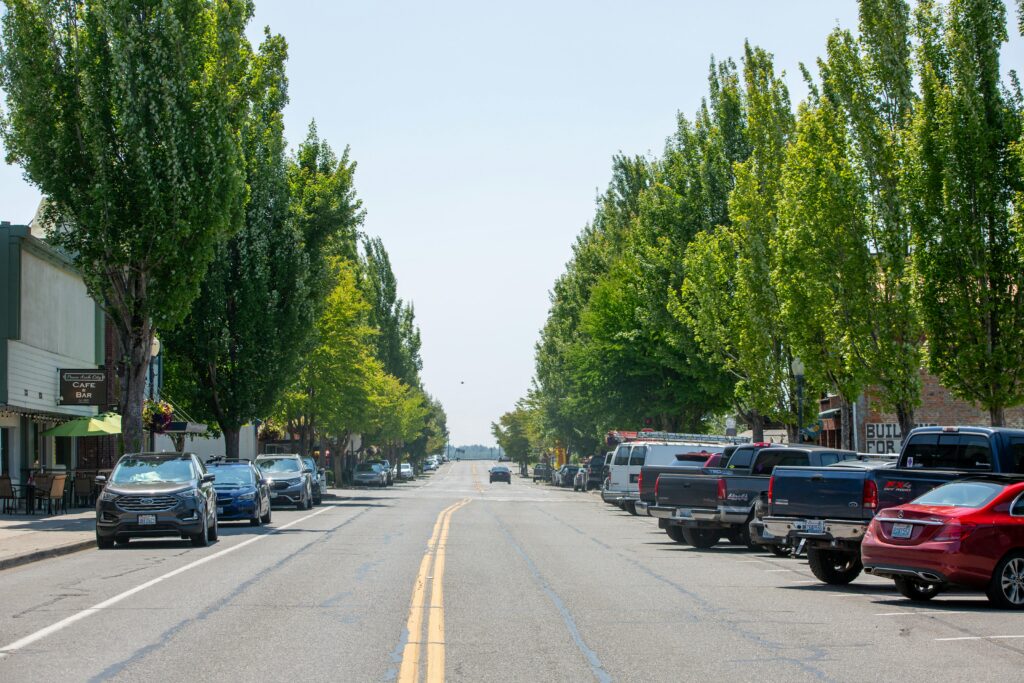
Picturesque downtown streets, vineyard landscapes, and boutique experiences spread rapidly online.
This digital visibility transformed Walla Walla from:
regional getaway
into
nationally recognized lifestyle destination.
🧩 The hidden economic complexity
Tourism economies often appear glamorous from the outside.
But beneath the surface, they can be fragile.
Walla Walla’s tourism sector still faces:
- seasonal fluctuations
- labor shortages
- wine industry volatility
- changing consumer spending patterns
- economic pressure during slower travel periods
Some locals note that businesses survive best when they appeal not only to tourists, but also to residents during quieter months.
That may be the key lesson:
sustainable tourism towns cannot depend entirely on visitors.
🌱 Agritourism and the “small-scale luxury” model
Walla Walla fits into a growing tourism category:
small-scale luxury destinations rooted in local identity.
Travelers increasingly seek:
- authenticity
- slower experiences
- regional food systems
- walkable downtowns
- personal interaction
This trend benefits places like Walla Walla because they offer:
- intimacy instead of scale
- atmosphere instead of spectacle
In a world dominated by mega-tourism cities, smaller destinations are becoming more attractive precisely because they feel human-sized.
🔮 What the future may look like
Several trends are likely to shape Walla Walla’s tourism future:
1. More community-focused tourism planning
Growth strategies will likely prioritize resident quality of life.
2. Diversification beyond wine
Food, arts, wellness, and outdoor tourism may expand further.
3. Sustainability pressure
Water usage, land preservation, and environmental resilience will become increasingly important.
4. Increased competition
Other small wine and lifestyle destinations are also growing aggressively across the Pacific Northwest and beyond.
❓ FAQ: Walla Walla tourism and community investment
1. Why has Walla Walla become a tourism destination?
Primarily because of its wine industry, food culture, historic downtown, and growing reputation as a lifestyle travel destination.
2. What does “tourism as community investment” mean?
It means tourism is viewed not only as economic activity, but as a way to support local businesses, public spaces, arts, and community development.
3. Is tourism important to Walla Walla’s economy?
Yes. Tourism supports hospitality, retail, restaurants, wineries, events, and local employment.
4. Are there concerns about tourism growth?
Yes. Housing affordability, commercialization, and economic dependence on tourism are ongoing concerns.
5. Is Walla Walla only known for wine?
No. Food tourism, arts, festivals, agritourism, and outdoor experiences are becoming increasingly important.
6. What makes Walla Walla different from larger tourism destinations?
Its tourism economy is deeply tied to local identity and community participation rather than mass-scale visitor infrastructure.
🧭 Final thought
Walla Walla’s tourism story is not about becoming the biggest destination.
It is about becoming a destination that still feels like a real place.
That may sound simple, but in the modern tourism economy, it is surprisingly rare.
Because many cities build tourism districts.
Walla Walla is trying to build something harder:
a tourism economy that residents still recognize as their own community.
Sources Union Bulletin

