
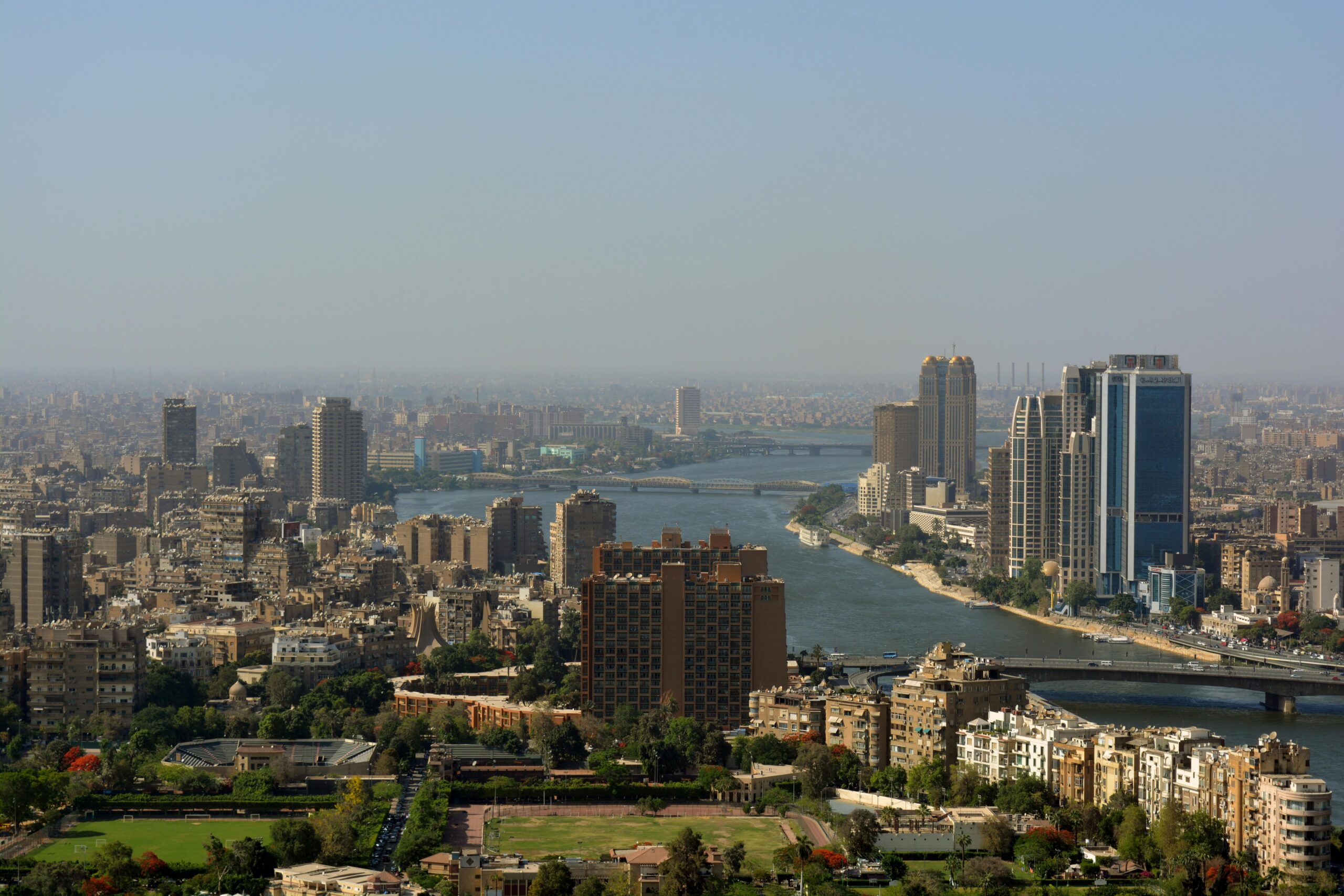
A quiet but powerful shift is happening across the Middle East.
One of Egypt’s largest property developers is expanding into Saudi Arabia’s fast-growing entertainment sector — a move that reflects something much bigger than a single business deal.
It signals the rise of a new regional economic model:
real estate is no longer just about buildings — it is about experiences.
And Saudi Arabia, with its aggressive entertainment transformation agenda, has become the epicenter of that shift.
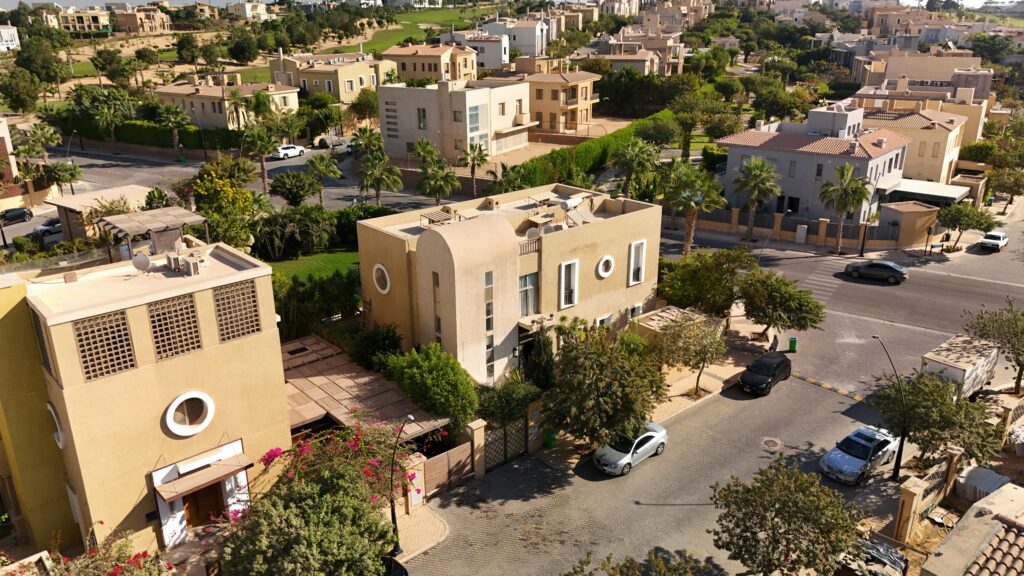
🏗️ From concrete to experiences: the new Middle Eastern development model
Traditionally, property developers in the region focused on:
- residential communities
- commercial towers
- retail malls
- infrastructure projects
But that model is rapidly evolving.
Today, the most valuable developments are no longer just places to live or shop — they are:
- entertainment districts
- mixed-use lifestyle hubs
- tourism ecosystems
- immersive cultural destinations
This is where Saudi Arabia’s entertainment expansion comes in.
Developers are no longer building “projects.”
They are building destinations with global pull.
🇸🇦 Saudi Arabia’s entertainment boom is reshaping the region
Saudi Arabia is undergoing one of the fastest entertainment transformations in the world, driven by its long-term economic diversification strategy.
The country is investing heavily in:
- theme parks and amusement districts
- music and cultural festivals
- sports entertainment infrastructure
- cinemas and performance venues
- tourism mega-projects
Flagship developments like large-scale entertainment cities, giga-projects, and coastal tourism zones are designed to attract both domestic and international visitors.
The goal is clear:
reduce reliance on oil and build a diversified, experience-driven economy.
🇪🇬 Why Egyptian developers are expanding into Saudi Arabia
Egyptian real estate firms bring several competitive advantages:
🧠 1. High-density urban expertise
Egypt has decades of experience building:
- large residential communities
- mixed-use developments
- fast-growing urban extensions
This experience is valuable in Saudi Arabia’s rapid development cycle.
💼 2. Regional construction scalability
Egyptian developers are used to:
- large labor pools
- cost-efficient construction models
- fast project delivery timelines
These capabilities align well with Saudi Arabia’s ambitious deadlines.
🌍 3. Cross-border investment momentum
There is increasing capital flow between:
- Egypt
- Saudi Arabia
- UAE
This is creating a more integrated Gulf–North Africa development corridor.
🎡 Why Saudi Arabia needs entertainment-focused developers
Entertainment infrastructure is not just about building venues.
It requires:
- urban planning integration
- hospitality ecosystems
- retail clustering
- transport connectivity
- experience design thinking
Many traditional real estate developers are now being asked to operate more like:
experience architects rather than construction firms.
Egyptian developers entering this space signals that Saudi Arabia is widening its talent and partnership base to accelerate execution.
🧭 The bigger picture: Vision-driven transformation
Saudi Arabia’s entertainment expansion is part of a broader national transformation strategy aimed at:
- growing tourism GDP contribution
- increasing domestic leisure spending
- attracting international visitors
- creating new employment sectors
- diversifying away from hydrocarbons
Entertainment is not treated as a luxury sector anymore.
It is treated as:
an economic engine.
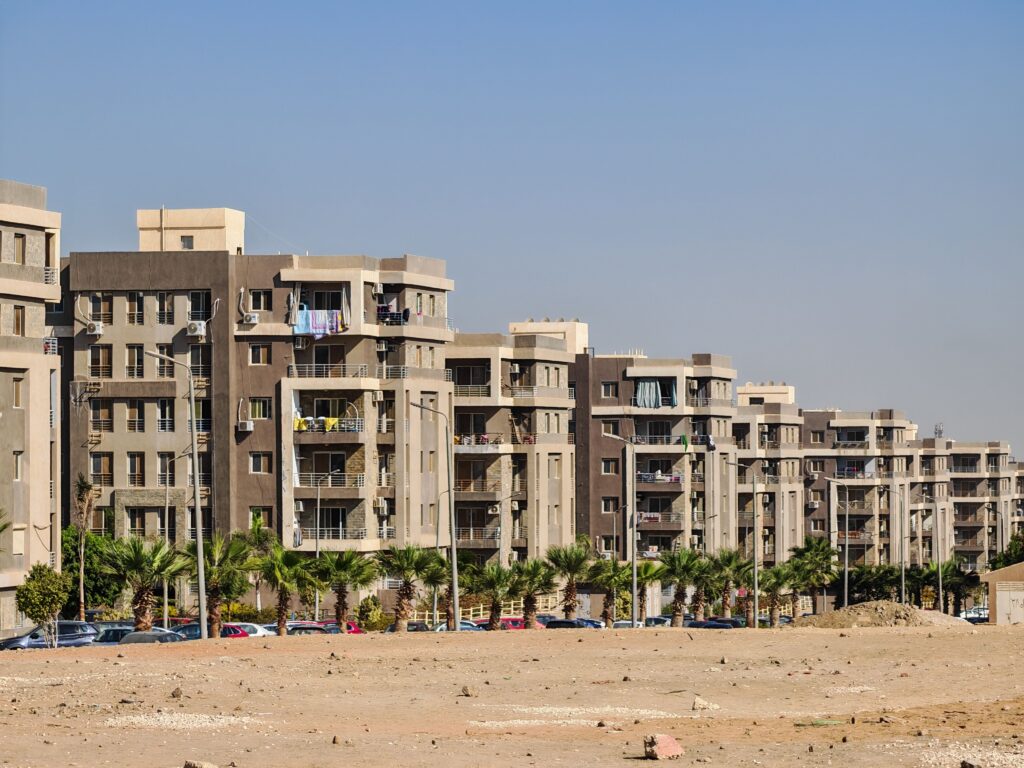
🏙️ Real estate + entertainment = the new hybrid economy
The most important trend here is convergence.
Previously separate industries are merging:
| Old model | New model |
|---|---|
| Real estate | Experience economy |
| Construction | Destination creation |
| Retail malls | Entertainment ecosystems |
| Tourism | Integrated urban living |
In this new model:
- a mall is not just shopping
- a district is not just housing
- a project is not just infrastructure
Everything is designed to keep people engaged longer and spending more deeply.
🎯 Why entertainment is becoming the anchor sector
Entertainment has a unique economic role because it:
- increases tourism length of stay
- boosts retail and hospitality revenue
- drives social media visibility
- creates repeat visitation cycles
- strengthens national branding
In simple terms:
entertainment multiplies the value of everything around it.
That is why governments and developers are prioritizing it at scale.
🌐 Regional competition is accelerating development
Saudi Arabia is not developing entertainment infrastructure in isolation.
It is competing with:
- Dubai’s tourism dominance
- Qatar’s event-driven economy
- Egypt’s historical tourism leverage
- emerging Mediterranean tourism markets
This competition is pushing:
- faster project timelines
- higher design ambition
- stronger international partnerships
- more diversified investor participation
Egyptian developers entering Saudi Arabia reflects this regional integration and competition at the same time.
⚖️ Risks and challenges beneath the boom
While the growth narrative is strong, challenges remain.
🧱 1. Execution pressure
Mega-projects require:
- tight delivery schedules
- large-scale coordination
- high capital efficiency
Delays can significantly affect financial returns.
🌡️ 2. Demand uncertainty
Entertainment districts depend on:
- sustained visitor demand
- tourism growth stability
- disposable income trends
If demand projections are off, utilization can suffer.
🌍 3. Cultural adaptation
Entertainment concepts must align with:
- local cultural norms
- regulatory frameworks
- social expectations
Imported models often require adaptation, not replication.
💰 4. Capital intensity
Entertainment-led real estate is expensive to build and maintain, requiring long-term investment horizons.
🔮 What this means for the future of regional development
This expansion signals several long-term shifts:
1. Cross-border developer ecosystems
Developers will increasingly operate across multiple Middle Eastern markets.
2. Experience-led urban planning
Cities will be designed around:
- leisure
- tourism
- lifestyle engagement
not just residential needs.
3. Blurred industry boundaries
Real estate, tourism, entertainment, and retail will continue merging into a single ecosystem.
4. Rise of “destination economies”
Entire districts will function like self-contained economic engines.
❓ FAQ: Egypt–Saudi entertainment development expansion
1. Why are Egyptian developers entering Saudi Arabia’s entertainment sector?
Because Saudi Arabia is rapidly expanding entertainment infrastructure and needs experienced regional developers to support large-scale projects.
2. What is driving Saudi Arabia’s entertainment boom?
Economic diversification goals, tourism expansion strategies, and efforts to increase domestic and international leisure spending.
3. How is real estate connected to entertainment?
Modern developments combine housing, retail, hospitality, and entertainment into integrated lifestyle destinations.
4. Is this trend unique to Saudi Arabia?
No. Similar convergence is happening in the UAE, Qatar, and other global tourism hubs.
5. What risks does this expansion face?
Key risks include execution delays, demand uncertainty, high capital costs, and regulatory adaptation challenges.
6. Will this change the region’s economy?
Yes. It is contributing to a shift from resource-based economies toward experience-driven service economies.
🧭 Final thought
What looks like a standard cross-border property deal is actually part of a much larger transformation.
The Middle East is not just building cities anymore.
It is building:
experiences, destinations, and entire economic ecosystems designed around human attention and leisure.
And in that new landscape, real estate is no longer just about land or buildings.
It is about designing places where people don’t just live —
they stay, spend, return, and remember.
Sources Business Insider Africa

