
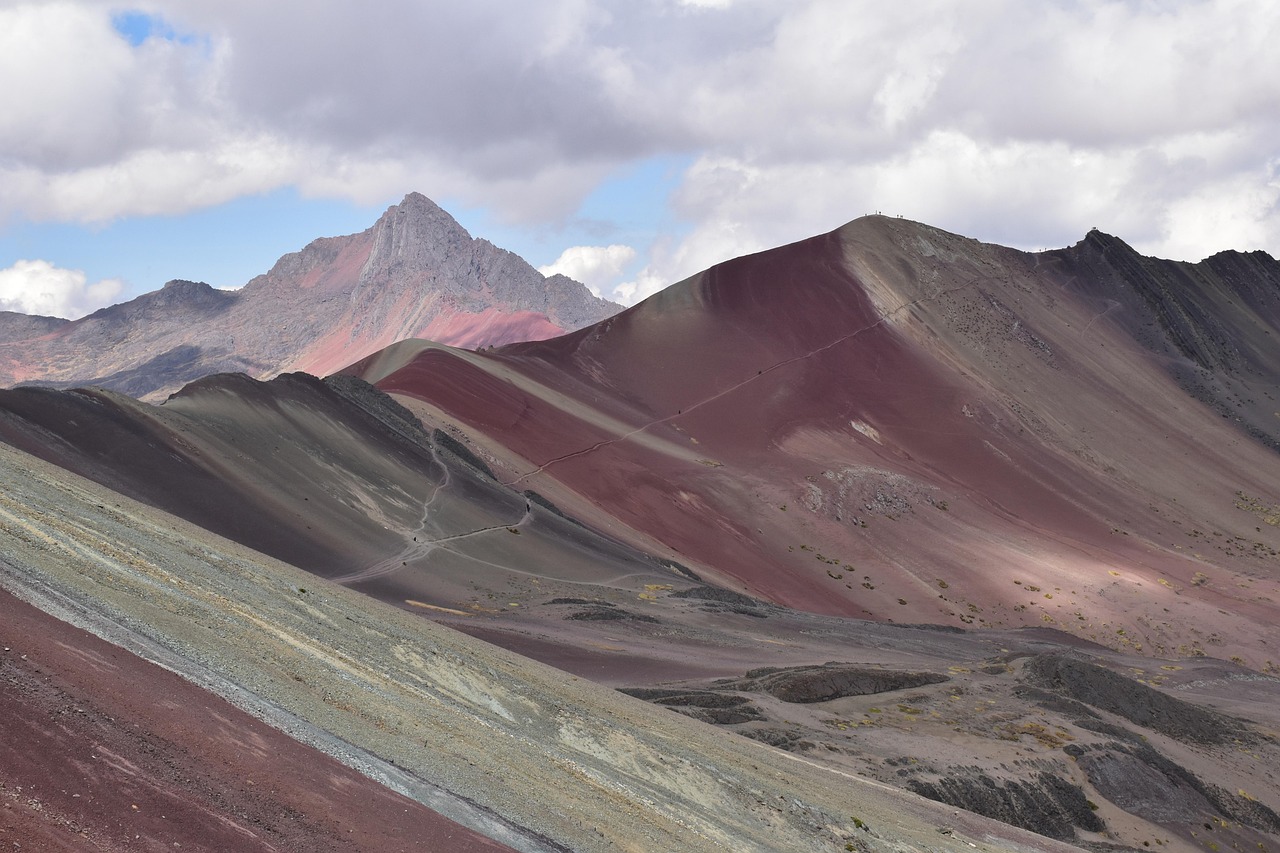
Once a hidden jewel of the Andes, Peru’s Rainbow Mountain—officially Vinicunca—has become a global tourist magnet since its dramatic colors were revealed in 2015. However, a recent fatal shooting has exposed fierce local competition over tourism profits and raised concerns about the mountain’s sustainability and safety.
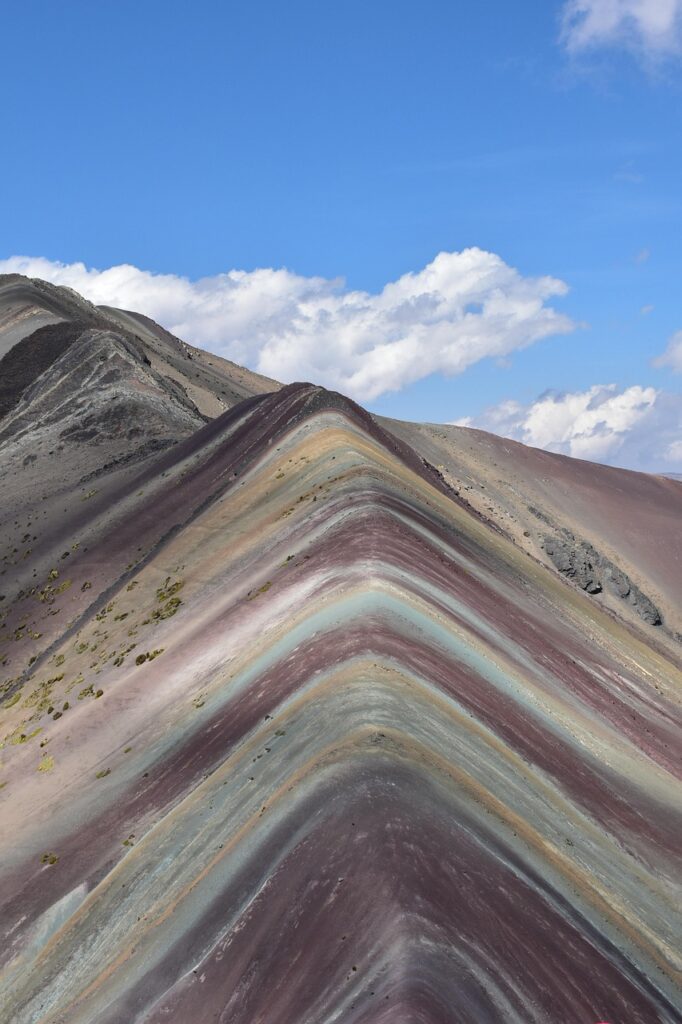
🌈 1. A Viral Icon Turned Flashpoint
- Social media fame: Thousands of Instagram posts and viral hashtags pushed Rainbow Mountain into Peru’s spotlight, transforming it into a must-see destination.
- Economic explosion: Rapid tourism led to new roads, bus services, and informal checkpoints run by local communities eager to profit.
- Community friction: This boom sparked a “battle for control” between indigenous groups around access fees and revenue—long governed by traditional but unwritten local rules.
- Deadly conflict: That tension erupted tragically in a shooting, resulting in one death, several injuries, and multiple arrests during a violent clash over entrance control.
⚠️ 2. Dangerous Trends Behind the Headlines
- Altitude and accidents: Besides violence, Rainbow Mountain presents real physical risks. Deaths—including from lightning, altitude sickness, and road crashes—have been recorded over recent years.
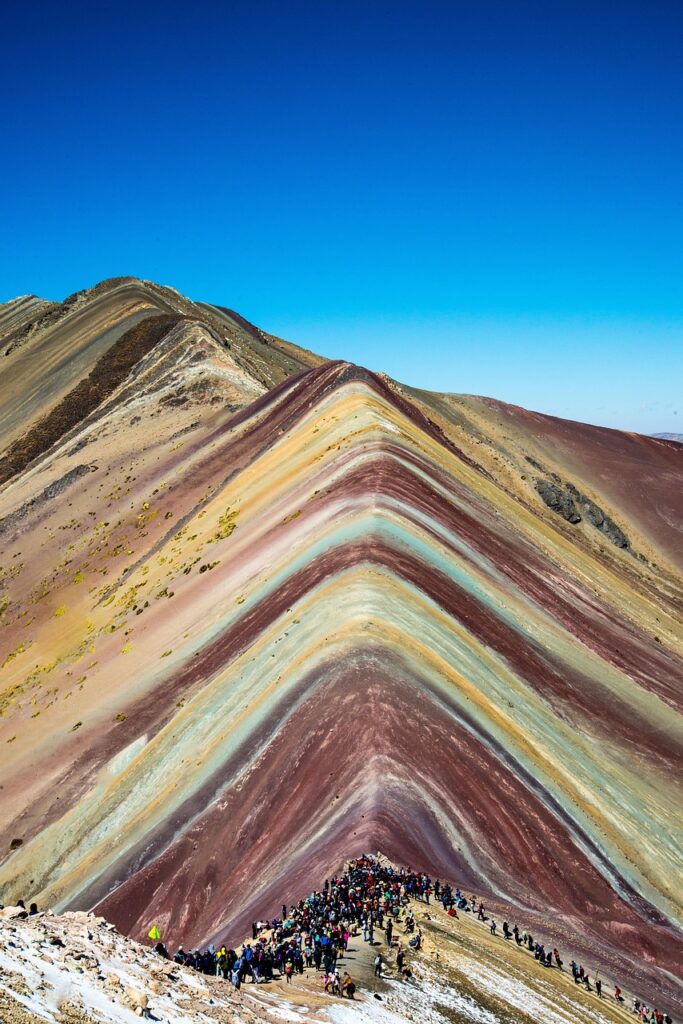
- Environmental strain: With up to 1,000 visitors daily, erosion and habitat damage threaten the fragile mountain ecosystem.
- Safety gaps: Unregulated access points and informal pricing schemes often mean tourists lack guidance on hazards and don’t reach official help when needed.
🛡 3. What the Article Overlooked
- Community revenue sharing
Local campesinos (farmers) rely heavily on tourism, yet lack formal legal frameworks to manage fees, leading to contested control and irregular pricing. - National protection efforts
In 2018, Peru enacted a moratorium on mining and established a conservation zone around Ausangate and Rainbow Mountain—but local enforcement is inconsistent. - Tour company responsibility
Responsible tour operators factor in acclimatization days, rest stops, emergency procedures, and strict bag limits—but many smaller operators do not, adding to risk. - Wildlife issues
Alpacas, vicuñas, and other native species are disturbed by noise and crowds—compromising the mountain’s biodiversity. - Alternative routes emerging
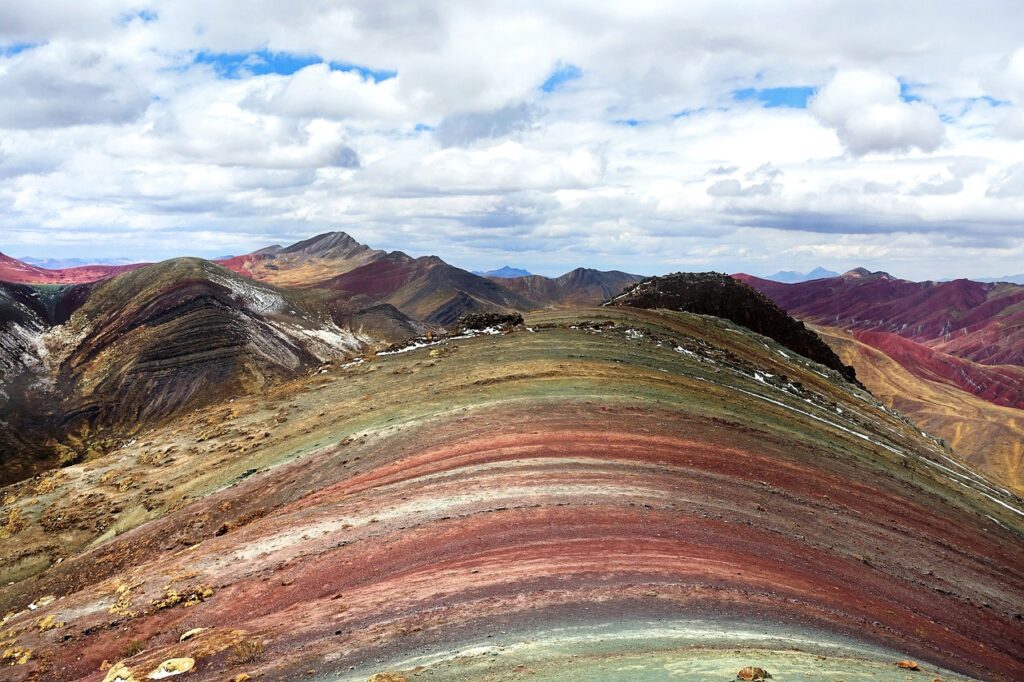
Destinations like Palcoyo provide similar colorful vistas with fewer tourists and lower altitude—offering a more sustainable option.
❓ Frequently Asked Questions
Q1: Is Rainbow Mountain safe to visit?
Generally—if you go with reputable tour companies that follow altitude protocols, guide access, and environmental rules. Solo hikes carry much more risk.
Q2: What caused the recent violence?
Conflict stemmed from competing local groups trying to control tourist access and entry fees—a dispute that unexpectedly escalated to violence.
Q3: Why are locals clashing?
Without formal frameworks, local communities have resorted to informal control—or even violence—to profit from access to the mountain.
Q4: Can you visit nearby less crowded peaks?
Yes—Palcoyo and other sites offer captivating formations, shorter hikes, and fewer crowds, making them safer and more ecologically sustainable.
Q5: How can visitors help preserve Rainbow Mountain?
Use licensed tour operators, follow marked trails, respect wildlife, and prioritize destinations that share profits with local communities and protect the environment.
🌍 Final Take
Rainbow Mountain’s dazzling beauty brought fame and revenue—but also friction, ecological strain, and danger. The recent shooting is a wake‑up call: without thoughtful stewardship and regulation, economic dreams can become nightmares. For travelers, the path forward is clear: support responsible tourism, protect fragile ecosystems, and amplify local voices so that this wonder endures—for everyone.
Sources Bloomberg

