
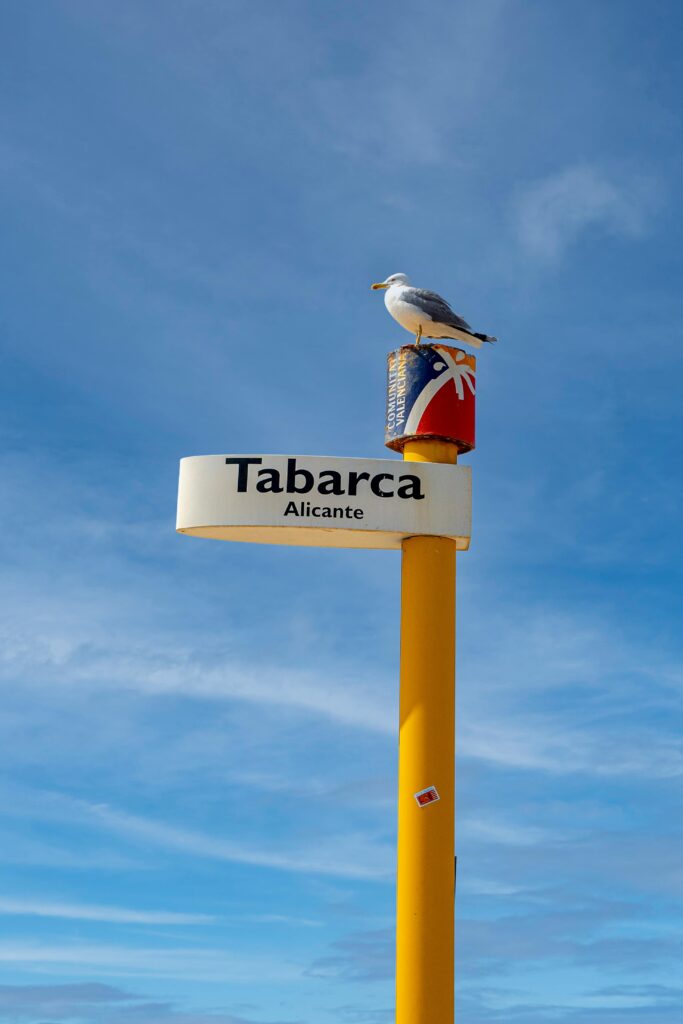
Tucked into the turquoise waters off Spain’s Costa Blanca lies a Mediterranean gem you’ve probably never heard of — a place where cats outnumber people, the sea is impossibly clear, and time seems to take a siesta. Welcome to Tabarca, Spain’s smallest permanently inhabited island, a rare destination that tourism hasn’t swallowed whole.
This is not your average holiday hotspot. It’s an island where cobblestone alleys echo with purring residents, fishing boats gently rock in the harbor, and ancient city gates open into a history as rich as its seafood paella. If you’re seeking slow travel, offbeat charm, and a brush with the unexpected, Tabarca delivers — feline friends included.
Let’s dive into what makes Tabarca magical, why it’s more than just a cat-lover’s paradise, and how it has stayed (mostly) untouched in an overtouristed world.
📏 Small But Mighty: Life on Spain’s Teeny-Tiny Island
At just 1.8 kilometers long and 400 meters wide, Isla de Tabarca is compact enough to walk end-to-end in under 30 minutes. But don’t let the size fool you — this tiny dot in the sea is packed with stories, secrets, and charm.
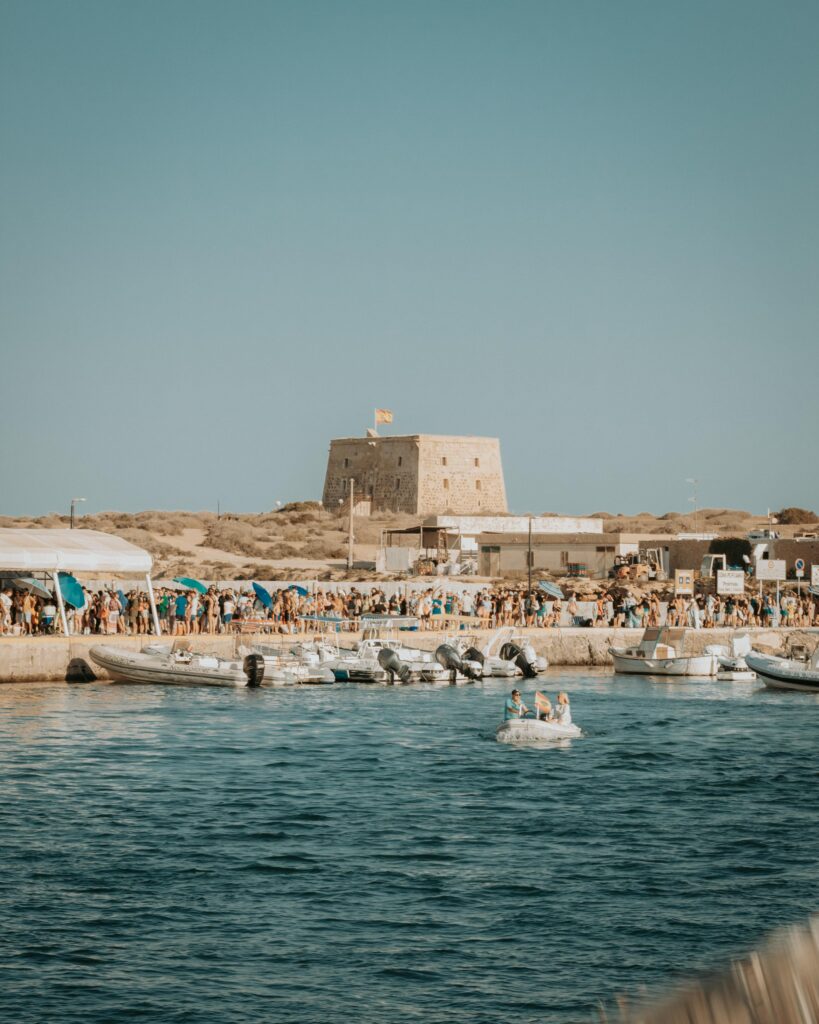
- 📍 Located 22 km from Alicante and administratively part of the city, Tabarca is easily reached by ferry — most commonly from Santa Pola (25 minutes).
- 🧍 The permanent population? Around 60 to 70 people, though that number swells in the summer with day-trippers and sun-seekers.
- 🐈 The cats? That’s harder to count — but in the densely built-up areas of the island, you’ll often spot more furry whiskers than human faces.
🏰 From Pirates to Paws: A History Built on Survival
Tabarca’s history reads like a seafaring novel. Once a pirate hideout, the island was repopulated in the 18th century by Genoese families rescued from North Africa by King Carlos III.
He fortified the island to keep pirates at bay — and many of those stone gates, city walls, and watchtowers still stand today. Walking through them feels like stepping into another century. And the cats? They’ve become the unofficial guards of these ancient streets.
🌊 Spain’s First Marine Reserve — and It Shows
In 1986, Tabarca became Spain’s first designated marine reserve, and it’s easy to see why.
- 💎 The waters are crystal-clear — ideal for snorkeling, diving, and marine photography.
- 🌿 Home to Posidonia oceanica (a vital underwater seagrass), the area is crucial for biodiversity and natural beauty.
- 🐟 Expect to see vibrant schools of fish, rocky reefs, and maybe even an octopus or two.
Thanks to the reserve, the marine environment here is in better shape than most of the Spanish coast — and it’s a big draw for eco-conscious travelers.
🐈 Let’s Talk About the Cats (Because Everyone Does)
Tabarca has become famous for one quirky reason: its cats.
Travelers love to romanticize the idea that cats have “taken over” the island — and while it’s not quite a feline kingdom, there is a noticeably high cat-to-human ratio, especially in the compact village area.
- Most cats are semi-feral, though many are friendly and used to visitors.
- They often gather near restaurants, homes, and sunny plazas — earning plenty of photo ops and scraps from sympathetic tourists.
- Local residents do their best to care for and manage the population, including sterilization programs to prevent uncontrolled breeding.
Tabarca’s cats have become part of its character — charming to some, controversial to others (especially conservationists worried about their impact on local birds).
🧘 A Day (or Night) on the Island
Here’s what a visit to Tabarca might look like:
☀️ Morning: Ferry in from Santa Pola. Wander the historic village, admire the old fortifications, and stop at a café for fresh seafood.
🌿 Afternoon: Grab your snorkel gear and explore the marine reserve. The coves near Playa Grande are a great starting point.
🍷 Evening (if you stay overnight): Enjoy the peace as the day-trippers leave. Watch the sun dip into the Mediterranean with only the sounds of gulls and cats.
🛏️ Overnight: A few small inns and guesthouses offer cozy stays — including converted historic buildings like the old Governor’s House.
Pro tip: stay overnight to truly experience the serenity of Tabarca after the tourist boats depart.
⚖️ Tourism vs Preservation: Walking the Line
So why hasn’t Tabarca become just another overbuilt island resort? In short: size and protection.
Its small area and marine reserve status limit mass development. There are no mega-hotels, no beach clubs blasting music, no fast-food chains. But that doesn’t mean it’s pressure-free.
- Peak season crowding can strain waste systems and supplies.
- Climate change and rising seas pose long-term threats.
- Managing cat populations, tourist footprints, and infrastructure remains a challenge for such a small, delicate ecosystem.
Still, the locals — and local authorities — seem committed to keeping Tabarca unique.
❓ Frequently Asked Questions
Is it true there are more cats than people?
Kind of! While the cat density is extremely high (especially in summer), the real story is how visible and sociable they are in a place with so few people.
How do you get there?
Ferries run daily from Santa Pola, Alicante, and Torrevieja, with extra frequency in summer. The Santa Pola route is the shortest (~25 mins).
Can I stay overnight?
Yes — there are a few guesthouses and boutique stays. Just book early, especially in high season.
Is it good for families or solo travelers?
Absolutely. The island is safe, walkable, and welcoming for all types of visitors — including solo wanderers, couples, and nature-loving families.
Is Tabarca overrun by tourists?
Only in the middle of the day during peak summer. Stay overnight or visit off-season (spring or fall) for the best experience.
Is there Wi-Fi and mobile signal?
Yes, though coverage can vary by spot. But honestly — it’s the perfect place to unplug.
🧳 Final Thoughts: Why You Should Visit (But Tread Lightly)
Tabarca isn’t for everyone — and that’s a good thing. There are no big hotels, no shopping malls, and nightlife is limited to stargazing and sea breezes. But if you crave authenticity, eco-beauty, and a slower rhythm, this island is a rare find.
It’s a place where cats sunbathe on stone walls, waves lull you into meditation, and history breathes from every cobbled street. Tabarca isn’t just a destination — it’s a living postcard from a Mediterranean that’s disappearing fast.
Visit. But visit gently.
Sources CNN

