
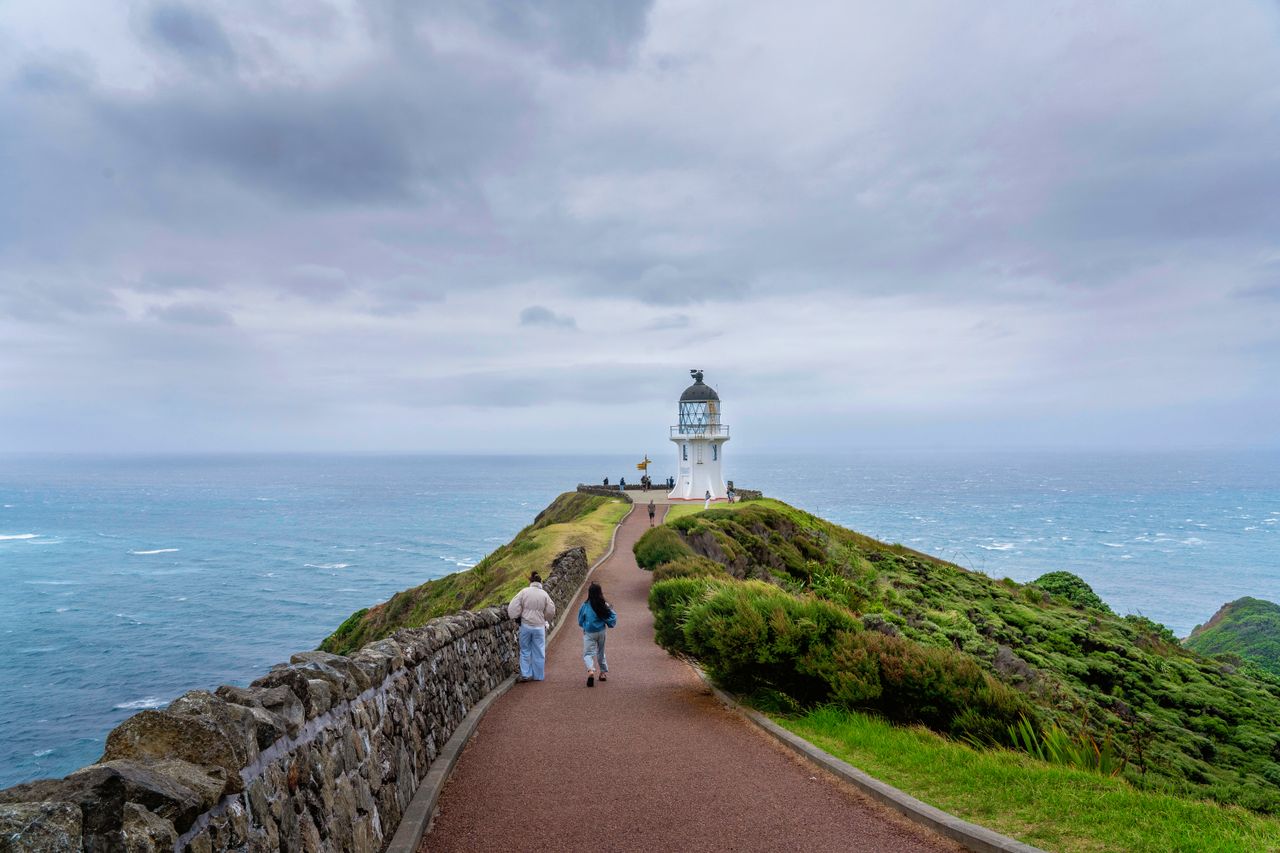
New Zealand is more than a collection of breathtaking landscapes. It is a country with its own language, cultural traditions, road rules, environmental responsibilities and everyday customs. Visitors who understand these details are better prepared to explore its beaches, mountains, cities and small communities—and to experience the country beyond its famous tourist attractions.
New Zealand, also known by its Māori name Aotearoa, attracts travellers with its spectacular scenery, outdoor adventures, welcoming communities and distinctive cultural identity. From the geothermal wonders of Rotorua to the dramatic fjords of the South Island, the country offers an extraordinary variety of experiences.
However, first-time visitors sometimes underestimate how large the country feels when travelling by road, how quickly its weather can change, or how important environmental protection is to its people.
Drawing on advice shared by New Zealand-born travel writer Kerri King in Business Insider, along with official travel and safety guidance, here are ten essential things tourists should understand before visiting New Zealand.
1. Learn a Little Kiwi Slang Before You Arrive
English is widely spoken throughout New Zealand, but visitors may discover that understanding the language is not always as straightforward as expected.
New Zealanders, commonly called Kiwis, have a distinctive vocabulary and a relaxed conversational style. Local expressions can be confusing for travellers who are unfamiliar with the country’s culture.
Some common expressions include:
- Sweet as: Something is good, fine or satisfactory.
- Yeah, nah: Often a polite or indirect way of disagreeing or saying no.
- Bring a plate: Bring a dish of food to share at a gathering, rather than an empty plate.
- Jandals: The local word for flip-flops or rubber sandals.
- Chilly bin: A portable cooler or icebox.
- Bach: A small holiday home, particularly in coastal areas.
- Togs: Swimming clothes or a swimsuit.
Another phrase worth learning is kia ora, a Māori greeting commonly used to say hello and express thanks or goodwill.
New Zealanders are generally accustomed to visitors who do not understand every local expression. Asking someone to explain an unfamiliar phrase is perfectly acceptable and can even become a friendly conversation starter.
Understanding local slang is not essential for enjoying the country, but learning a few expressions can make everyday interactions more enjoyable and help visitors feel less like outsiders.
2. Do Not Expect an Extensive Public Transport Network
Travellers arriving from countries with comprehensive railway and metro systems may be surprised by New Zealand’s public transport limitations.
Auckland and Wellington have urban transport networks that include buses and rail services. Other cities also offer bus connections, but public transport becomes less convenient when travelling between smaller towns, remote beaches, national parks and rural attractions.
There are several ways to travel around the country:
Rental cars: Hiring a car offers the greatest flexibility, especially for visitors interested in exploring remote destinations and stopping at scenic locations.
Intercity buses: Coach services connect many major towns and tourist destinations. They can be an economical option for travellers who do not want to drive.
Domestic flights: Flying is useful when covering long distances between major cities or moving between the North and South Islands.
Scenic trains: Great Journeys of New Zealand operates well-known rail experiences, including the Northern Explorer, Coastal Pacific and TranzAlpine. These services are attractions in their own right, although they do not provide comprehensive coverage of the country.
Ferries: The Interislander and Bluebridge services connect Wellington on the North Island with Picton on the South Island, carrying passengers and vehicles.
Visitors should research transport connections before booking accommodation. A destination that looks close on a map may be difficult to reach without a car.
For independent travellers, combining rental cars, buses, domestic flights and scenic rail journeys can provide a practical balance between convenience and cost.
3. Respect the Weather More Than You Expect
New Zealand’s landscapes are beautiful, but its weather can be unpredictable.
Conditions can change rapidly, particularly in mountainous regions, coastal areas and locations exposed to strong winds. A sunny morning does not guarantee a comfortable afternoon, and temperatures can drop significantly when travelling into higher elevations.
The country also has considerable regional variation. Northland and parts of the upper North Island generally experience warmer conditions than the mountainous interior of the South Island.
Visitors should understand that New Zealand’s seasons are opposite to those in the Northern Hemisphere:
| Season | Months | Typical travel conditions |
|---|---|---|
| Summer | December–February | Warm weather, beaches and outdoor activities |
| Autumn | March–May | Cooler temperatures, changing foliage and often pleasant walking conditions |
| Winter | June–August | Snow sports, colder weather and possible road disruptions |
| Spring | September–November | Variable weather, blooming landscapes and outdoor opportunities |
The best time to visit depends on the activities being planned. Summer is popular for beaches and road trips, while winter attracts skiers and snowboarders to destinations such as Queenstown and Wānaka.
For hiking and outdoor activities, visitors should follow the Department of Conservation’s Land Safety Code:
- Choose a trip suitable for your fitness and experience.
- Understand the weather and changing conditions.
- Pack warm clothing and additional food.
- Share your plans and carry suitable communication or emergency equipment.
- Look after yourself and other members of your group.
New Zealand’s wilderness areas are not theme parks. Some walking tracks cross rivers, pass through remote terrain or become dangerous during heavy rain.
Visitors should never continue a hike simply because they have already invested time in reaching a particular destination. Turning back is sometimes the smartest decision.
4. Understand and Respect Māori Culture
One of the most important aspects of visiting New Zealand is recognising the significance of Māori culture.
Māori are the Indigenous people of Aotearoa, and their history, language, traditions and relationship with the land are central to the country’s identity.
Visitors will encounter Māori influence throughout New Zealand, including in geographical names, public signage, cultural performances, education and everyday conversation.
Learning a few words of te reo Māori is a meaningful way to show respect:
- Kia ora: Hello or thank you.
- Haere mai: Welcome.
- Aroha: Love, compassion or affection.
- Whānau: Family or extended family.
- Manaakitanga: Hospitality, generosity and care for others.
- Kaitiakitanga: Guardianship and protection of the natural environment.
Tourists may also encounter traditional Māori cultural experiences, particularly around Rotorua and other parts of the central North Island.
A visit to a marae, a traditional Māori meeting place, can provide a deeper understanding of community life, customs and history. However, a marae is not simply a tourist attraction. Visitors should follow their hosts’ instructions and respect the protocols associated with the occasion.
Experiences may include a pōwhiri, a formal welcoming ceremony, traditional speeches, songs and the hongi, a greeting in which people press noses together.
Travellers should also consider supporting Māori-owned tourism businesses and locally led cultural experiences. These provide opportunities to learn directly from people whose heritage and communities are part of the country’s story.
Respectful cultural tourism involves more than taking photographs. It means listening, asking appropriate questions and recognising that traditions have meaning beyond their entertainment value.
5. New Zealand Is a Small Country With Roads That Take Time to Navigate
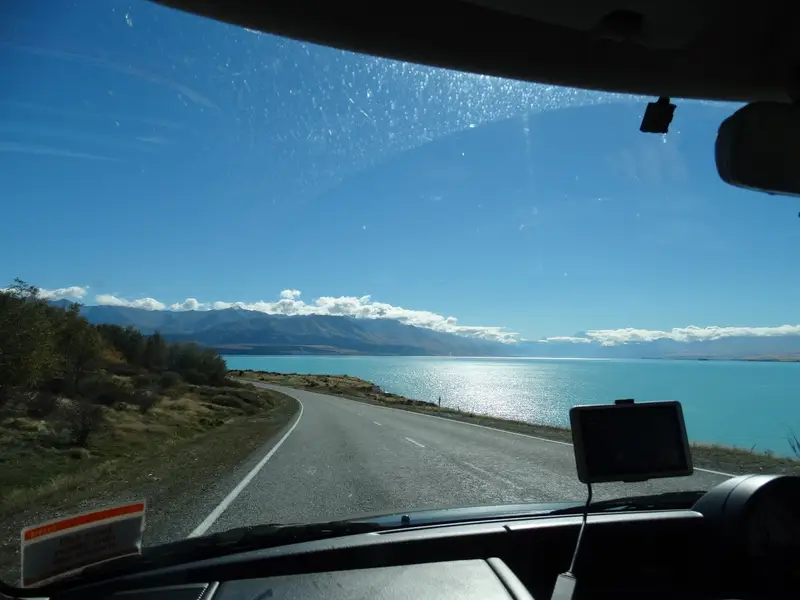
One of the most common mistakes tourists make is underestimating driving times.
New Zealand may appear relatively small compared with countries such as the United States, China or Australia. However, its mountainous geography, winding roads, narrow highways and changing weather can make journeys considerably longer than expected.
The country drives on the left-hand side of the road, which can require adjustment for visitors accustomed to driving on the right.
Some roads are steep, narrow or unsealed. Rural journeys may also involve livestock, one-lane bridges, sharp bends and limited opportunities to overtake.
A few important driving recommendations include:
- Allow more time than your navigation application initially suggests.
- Take regular breaks during long journeys.
- Avoid driving while tired, particularly after long international flights.
- Familiarise yourself with roundabouts and one-lane bridge rules.
- Check road closures and weather conditions before travelling through mountain passes.
- Confirm whether rental vehicle insurance covers unsealed roads.
- Never stop in unsafe locations simply to take photographs.
International visitors must also ensure they are legally permitted to drive. A current and valid overseas licence may be accepted, but an English translation or International Driving Permit may be necessary if the original licence is not in English.
An important recent change took effect on 1 November 2026: visitors arriving on or after that date can generally use an eligible overseas car licence for up to 12 months rather than the previous 18-month period. Travellers should check the latest New Zealand Transport Agency requirements before driving.
The most important advice is to treat driving as part of the travel experience rather than an inconvenience between attractions. New Zealand’s roads often pass through spectacular scenery, and rushing through them means missing some of the country’s best views.
6. New Zealand Has Excellent Food, but Eating Out Can Be Expensive
New Zealand is known for its agricultural production, fresh seafood, dairy products, wine and high-quality local ingredients.
Visitors can enjoy everything from freshly caught fish and chips to lamb dishes, seafood restaurants, farmers’ markets and modern cafés.
Some foods and dining experiences worth trying include:
Hāngī: A traditional Māori cooking method in which food is cooked underground using heated stones and trapped heat. It is often associated with cultural gatherings and community celebrations.
New Zealand lamb: The country’s sheep-farming heritage has helped make lamb a familiar feature of local cuisine.
Green-lipped mussels: A distinctive New Zealand seafood product often served steamed, grilled or in seafood dishes.
Pavlova: A popular meringue-based dessert traditionally topped with cream and fruit.
Meat pies: A familiar bakery favourite, often filled with minced meat, steak, cheese or other savoury ingredients.
Flat whites: New Zealand has a strong café culture, and visitors will find excellent coffee in many cities and towns.
However, food and restaurant prices can be relatively high, particularly in major tourist destinations.
Travellers can manage their budgets by purchasing groceries from supermarkets, visiting farmers’ markets, choosing accommodation with kitchen facilities and balancing restaurant meals with more affordable takeaway options.
It is also worth remembering that restaurants and cafés in smaller towns may close earlier than visitors expect. Planning dinner before arriving at a remote destination can prevent an unnecessary search for food late in the evening.
7. Wear Sunscreen Even When the Weather Feels Cool
New Zealand’s sunshine can be deceptive.
A pleasant temperature or cloudy sky does not necessarily mean that ultraviolet radiation is weak. Visitors spending extended periods outdoors can become sunburned even when the weather does not feel particularly hot.
The risk is especially relevant during summer and around beaches, lakes, mountains and other outdoor destinations where people spend hours exposed to the sun.
New Zealand’s familiar sun-safety message is:
Slip, Slop, Slap and Wrap.
- Slip: Wear protective clothing or move into the shade.
- Slop: Apply sunscreen with adequate SPF protection.
- Slap: Wear a hat.
- Wrap: Wear sunglasses that protect against ultraviolet radiation.
Travellers should apply sunscreen before outdoor activities and reapply it according to the product instructions, especially after swimming or sweating.
Sun protection is particularly important for visitors planning hiking, cycling, kayaking, skiing or spending long periods on the water.
A useful travel habit is to keep sunscreen, sunglasses and a hat in a day bag rather than leaving them in the hotel.
8. Take New Zealand’s Biosecurity Rules Seriously
New Zealand’s geographic isolation has helped create a distinctive natural environment, including native plants and wildlife that are vulnerable to introduced pests and diseases.
Protecting this environment is a national priority, and the country’s border biosecurity rules are strict.
International visitors must complete the New Zealand Traveller Declaration and declare relevant risk items when entering the country.
These may include:
- Fresh or packaged food.
- Meat, seafood and dairy products.
- Honey and animal products.
- Seeds, plants, flowers and wooden items.
- Herbal medicines and certain natural products.
- Used hiking boots, tents and camping equipment.
- Fishing, diving and other outdoor equipment.
Even seemingly harmless items can create biosecurity risks. Soil attached to hiking boots, seeds trapped in clothing or food left in cabin baggage may require inspection.
According to New Zealand’s Ministry for Primary Industries, failing to declare risk goods can result in an immediate NZ$400 infringement fee, even when the omission is accidental.
Travellers should therefore avoid guessing whether an item is acceptable. Declare it if required or dispose of it in the designated biosecurity bins at the airport.
Visitors who plan to bring hiking boots, tents or sporting equipment should clean them thoroughly before travelling. Equipment may be inspected on arrival.
Environmental responsibility does not end at the airport. Visitors should stay on designated walking tracks, dispose of rubbish properly and follow local instructions designed to protect fragile ecosystems.
New Zealand’s landscapes are among its greatest attractions. Helping preserve them is part of being a responsible visitor.
9. Do Not Focus Only on the South Island
The South Island receives considerable attention because of its dramatic mountains, glaciers, lakes and fjords.
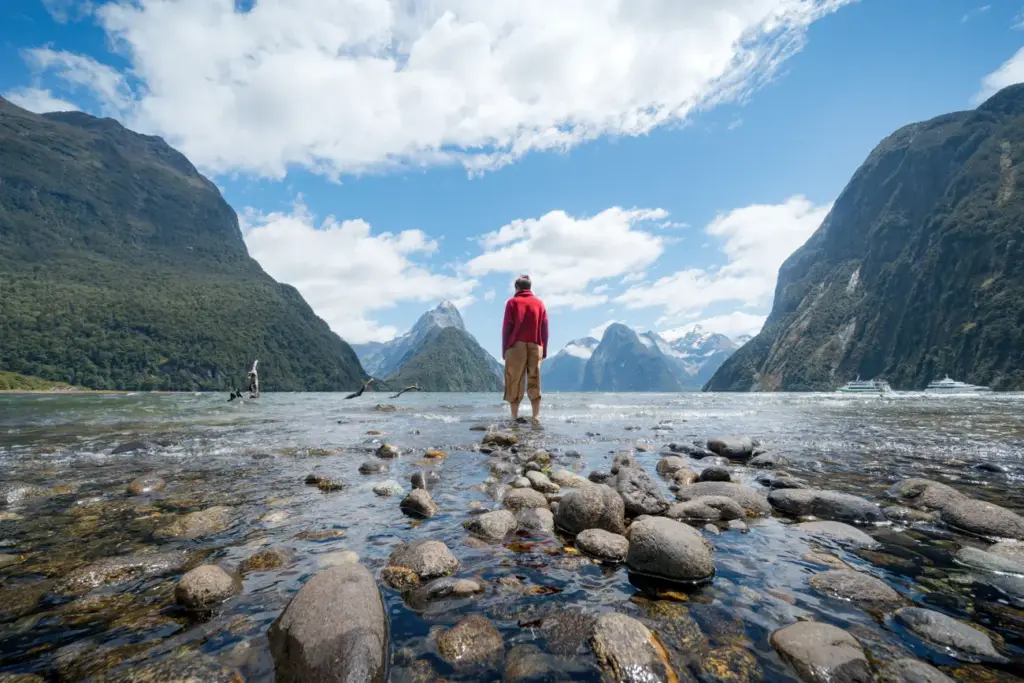
Destinations such as Queenstown, Wānaka, Milford Sound, Aoraki/Mount Cook National Park and the Franz Josef and Fox Glacier areas are internationally recognised.
However, visitors who concentrate exclusively on the South Island may miss some of New Zealand’s most interesting cultural, historical and natural experiences.
The North Island offers a different but equally rewarding travel experience.
Rotorua: Geothermal landscapes and Māori culture
Rotorua is famous for geothermal activity, including bubbling mud pools, hot springs and geysers. It is also an important destination for learning about Māori heritage and experiencing Māori-led cultural tourism.
Northland: Beaches, islands and history
Northland has a warmer climate, attractive coastal scenery and important historical locations.
The Bay of Islands is popular for boating, swimming and exploring offshore islands. The Waitangi Treaty Grounds also provide an opportunity to understand the history and significance of Te Tiriti o Waitangi, the Treaty of Waitangi.
Auckland: A multicultural urban destination
Auckland is New Zealand’s largest city and an important international gateway. Visitors can explore its waterfront, restaurants, museums, nearby islands and volcanic landscapes.
Wellington: Culture, museums and creativity
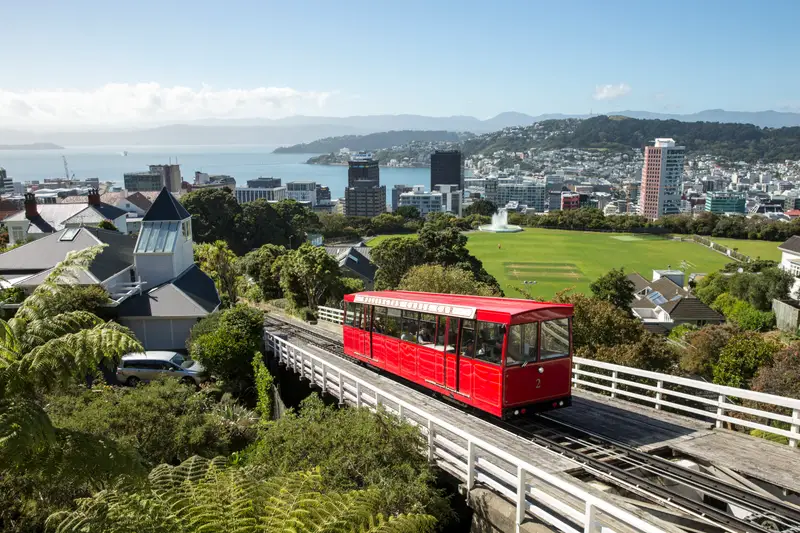
Wellington, the national capital, has a lively arts scene, independent cafés, waterfront attractions and Te Papa Tongarewa, the national museum of New Zealand.
Taupō: Lakes and outdoor adventure
Lake Taupō is one of the country’s most prominent natural attractions. Visitors can enjoy boating, fishing, walking trails and access to nearby geothermal and volcanic landscapes.
The North Island is particularly worthwhile for travellers interested in culture, history, food and coastal experiences rather than mountain scenery alone.
A well-balanced itinerary should consider both islands, provided the available travel time allows it.
10. Kiwis May Be Casual, but Visitors Still Need to Plan Carefully
New Zealanders are often described as friendly, informal and easygoing.
In many settings, the dress code is relaxed, and practical clothing is more common than formal fashion. Visitors may notice people wearing shorts, casual shirts and jandals in places where travellers from other countries might dress more formally.
However, a relaxed social atmosphere should not be confused with a lack of practical considerations.
Some smaller towns have limited evening services, and shops, cafés and restaurants may close relatively early. Visitors arriving late should check opening hours and arrange food and accommodation in advance.
Travel insurance is another important consideration.
New Zealand has the Accident Compensation Corporation, or ACC, which provides no-fault cover for people injured in accidents within the country, including eligible international visitors.
However, ACC is not a substitute for comprehensive travel insurance. It does not cover everything, including ordinary illness, disrupted travel arrangements, emergency repatriation and certain costs outside its coverage.
Travellers should arrange insurance that accounts for their itinerary and activities. Those planning skiing, bungee jumping, mountain biking, diving or other adventure sports should check whether these activities are specifically covered.
Planning also means allowing flexibility. Flights can be delayed, roads can close, weather can disrupt outdoor activities and popular attractions may require advance reservations.
A flexible itinerary is often more enjoyable than one that attempts to fit too many destinations into a limited number of days.
Beyond the Ten Tips: How to Plan a Better New Zealand Holiday
The advice above becomes much more useful when translated into a practical travel plan.
How much time should you spend in New Zealand?
The ideal duration depends on the number of destinations and activities included.
| Trip duration | What you can reasonably explore |
|---|---|
| 5–7 days | One region or a small selection of major attractions |
| 10–14 days | A focused North Island or South Island itinerary |
| 2–3 weeks | A broader journey covering highlights of both islands |
| 4 weeks or more | More relaxed exploration, smaller towns and less-visited regions |
Visitors should avoid treating New Zealand as a destination where every attraction can be reached in a short drive. A two-week holiday can provide a rewarding introduction, but it is unlikely to cover every major destination.
What should tourists pack?
A practical packing list includes:
- Comfortable walking shoes or hiking boots.
- Waterproof jacket and warm layers.
- Sunscreen, sunglasses and a hat.
- Reusable water bottle.
- Portable charger and suitable travel adapters.
- Insect repellent.
- Personal medication and basic first-aid supplies.
- Appropriate clothing for the season and planned activities.
For serious hiking, specialist outdoor equipment may be necessary. Visitors should research the difficulty and conditions of each track rather than assuming ordinary tourist clothing will be sufficient.
How can visitors travel more responsibly?
Responsible tourism is especially important in a country where natural landscapes and Indigenous cultural heritage are central to the visitor experience.
Tourists can contribute by:
- Supporting locally owned accommodation, restaurants and tour operators.
- Choosing Māori-led cultural experiences when learning about Māori traditions.
- Following conservation rules and respecting wildlife.
- Taking rubbish away from beaches, walking tracks and campsites.
- Avoiding damage to plants, historic sites and fragile environments.
- Respecting private land and obtaining permission before entering restricted areas.
- Allowing sufficient time for travel rather than driving dangerously to meet a schedule.
The Tiaki Promise is one initiative encouraging visitors to care for New Zealand, its people and its natural environment. Its message is simple: travel with respect and leave the country in good condition for future generations.
Conclusion: Experience New Zealand Beyond the Postcard
New Zealand’s appeal is easy to understand. Few destinations combine spectacular mountains, beautiful coastlines, geothermal landscapes, outdoor adventures and a distinctive Indigenous culture in quite the same way.
But the country’s real character becomes clearer when visitors look beyond the famous photographs.
Learning a little Kiwi slang, understanding Māori customs, respecting biosecurity requirements, preparing for changing weather and allowing extra time on the roads can make a holiday significantly more rewarding.
The North Island deserves just as much attention as the South Island, and local food, small-town communities and cultural experiences can be every bit as memorable as the country’s famous natural landmarks.
Ultimately, the best way to explore Aotearoa is to slow down, remain curious and travel responsibly.
New Zealand is not simply a destination to tick off a bucket list. It is a country to experience, understand and appreciate.
Frequently Asked Questions (FAQs)
1. What is the best month to visit New Zealand?
The best month depends on the type of holiday you want. December to February is ideal for summer activities, beaches and road trips. March to May generally offers pleasant autumn conditions, while June to August is popular for skiing and snowboarding. September to November brings spring scenery and changing weather. New Zealand can be visited throughout the year, provided travellers plan around seasonal conditions.
2. How many days are enough to explore New Zealand?
A 10- to 14-day trip is suitable for exploring one island or a selection of major attractions. Travellers who want to experience both the North and South Islands should ideally allow two to three weeks or longer. A month provides more flexibility for visiting smaller towns, remote destinations and less crowded attractions.
3. Is it better to rent a car or use public transport in New Zealand?
Renting a car is generally the most flexible option for independent travellers, particularly those visiting rural areas and national parks. Public transport is available in major cities, while intercity buses, domestic flights and scenic trains connect selected destinations. Travellers who do not want to drive can combine these services with organised tours.
4. Is New Zealand safe for international tourists?
New Zealand is generally considered a welcoming destination, but visitors should take normal precautions. The most important travel risks often involve road accidents, unpredictable weather, outdoor activities and changing sea or river conditions. Travellers should follow local safety advice, prepare properly for hikes, protect themselves from the sun and purchase comprehensive travel insurance.
5. What should tourists avoid bringing into New Zealand?
Visitors should avoid bringing undeclared food, plants, seeds, animal products, soil-contaminated footwear and outdoor equipment into the country. Some items may be permitted after inspection or treatment, but they must be declared when required. Failing to declare biosecurity risk goods can result in a NZ$400 infringement fee. Travellers should check the Ministry for Primary Industries’ official guidance before departure and declare anything they are unsure about.
Sources Business Insider