
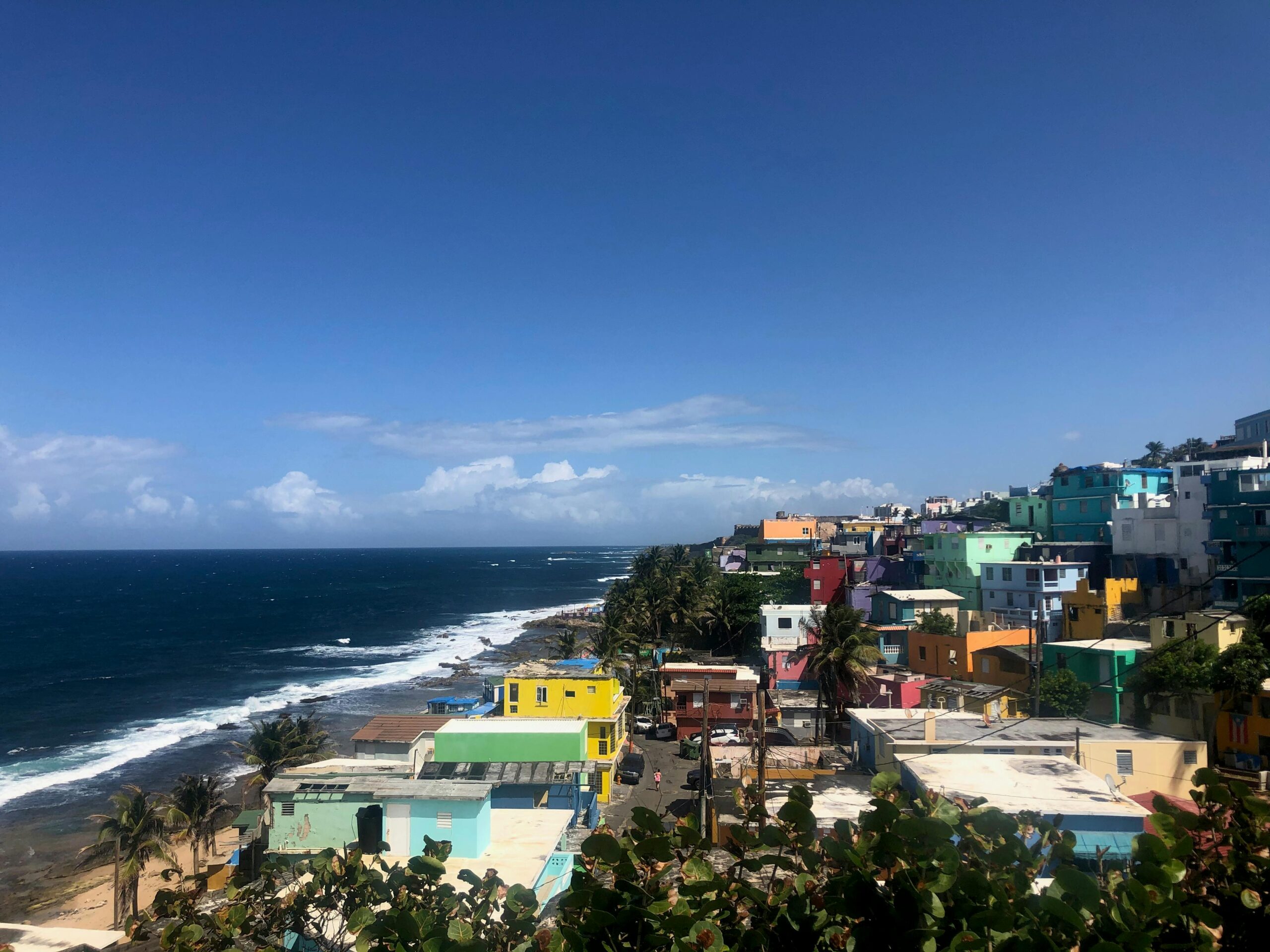
Luxury Caribbean tourism — with its all-inclusive resorts, white-sand beaches, and tropical cocktails — is one of the world’s most lucrative travel industries. But beneath the glossy brochure images lies a history deeply rooted in empire, slavery, and colonial extraction. Recent discussions, as highlighted in reporting from The Guardian, have brought attention to how this past is not just remembered but actively repackaged, reframed, and often obscured in the Caribbean’s modern tourism economy.
This expanded article goes beyond individual resort marketing to explore the structural and historical connections between colonial plantation systems and today’s luxury travel infrastructure — including land ownership patterns, labor dynamics, cultural representation, environmental impact, and ongoing debates about historical accountability.
1. The Plantation Past Is Everywhere — But Invisible to Many Visitors
The Caribbean’s colonial era was defined by:
- the transatlantic slave trade
- sugar and rum export economies
- plantation labor regimes
- European superpower rivalries
- indigenous displacement
These historical forces shaped the physical and social landscapes of islands like Jamaica, Barbados, Antigua, St Lucia, and Trinidad. Large estates were carved into agricultural monocultures, with infrastructure built to extract wealth back to Europe.
Today, some of those same lands host luxury resorts. Former sugar fields are rebranded as golf courses. Plantation houses are marketed as boutique hotel experiences. The narrative often shifts from brutal exploitation to romanticized heritage settings, erasing the violence and oppression beneath.
2. Luxury Tourism and the Plantation Model: Structural Echoes
While the era of chattel slavery has ended, certain structural features of Caribbean tourism reflect patterns from the plantation economy:
A. Export-oriented Work, Import-dependent Profits
Colonial plantations were designed to funnel profit out of the Caribbean. Modern all-inclusive resorts often:
- rely on imported food and supplies
- repatriate profits to foreign corporate headquarters
- underpay local workers
- hire foreign managers
This mirrors historic extraction, where local economies were shaped for outside benefit rather than local prosperity.
B. Segmented Labor Hierarchies
Plantations depended on rigid labor stratification. Today’s tourism sector sees similar divides:
- managerial and executive roles often filled by non-locals
- frontline service work dominated by local workers
- precarious seasonal contracts
- limited upward mobility for local employees
The legacy of limited access to capital and education — rooted in colonial inequality — continues to influence labor patterns.
C. Spatial Segregation
Plantation estates were separated from enslaved quarters; luxury resorts often create tourist enclaves separated from local communities, with limited interaction between visitors and everyday island life.
3. Rebranding and the “Plantation Aesthetic”
The tourism industry frequently uses plantation imagery in ways that sanitize history:
- “Plantation cottages” marketed as quaint historic stays
- Rum tours that focus on tasting rather than the colonial labor behind production
- Heritage villages that dramatize antebellum aesthetics without naming slavery
This rebranding often strips context and centers the visitor’s comfort over historical truth.
Some resorts have responded to critiques by:
- reframing signage to acknowledge labor histories
- partnering with museums and historical educators
- offering tours that include discussions of slavery and resistance
But such efforts are uneven and sometimes criticized as “token acknowledgements” rather than systemic change.
4. What the Original Reporting Didn’t Fully Cover
A. Economic Power and Land Ownership
Colonial plantation wealth was built through land concentration. Today, foreign investors and multinational corporations own vast tracts of Caribbean real estate, limiting local entrepreneurship. Legacy land laws and unequal development rights continue to benefit global capital.
B. The Role of Overseas Diasporas
Descendants of enslaved and indentured laborers now form diasporic communities in the U.S., UK, and Canada. Their travel patterns — including return tourism and heritage visits — challenge luxury narratives and bring deeper engagement with history.
C. The Environmental Legacy of Plantation Monocultures
Sugar monoculture degraded soils and altered ecosystems. Many tourism developments have compounded environmental stress with:
- coastal resort building
- reef damage
- freshwater depletion
- loss of native vegetation
Climate change — which disproportionately impacts Caribbean islands — interacts with these historical vulnerabilities.
D. Cultural Representation and Intellectual Ownership
Tourism often commodifies:
- music (reggae, calypso, soca)
- foodways
- Carnival traditions
- storytelling
But local creators frequently see brand and cultural appropriation without equitable financial recognition.
E. Alternatives That Resist Colonial Narratives
Grassroots heritage tourism and community-led experiences reinterpret plantation sites as:
- spaces of resistance
- sites of memory and mourning
- living testimonies of survival and resilience
Examples include:
- guided tours led by descendants
- museum exhibitions with critical narratives
- artistic reinterpretation of plantation landscapes
These approaches complicate the conventional leisure story and foreground those historically marginalized.
5. Global Conversations: How Other Places Grapple With Plantation Tourism
The Caribbean’s debates mirror broader reckoning in places like:
- U.S. Southern plantation museums
- Australian frontier heritage sites
- Latin American haciendas
- New Zealand and Maori land history tourism
In some regions, inclusive interpretation and reparative engagement are becoming models. The Caribbean debate focuses attention on:
- ethical tourism narratives
- reparative tourism economies
- community ownership of heritage
6. What This Means for Travelers, Communities, and the Industry
For Travelers
Understanding the true history behind landscapes enriches the travel experience and fosters ethical engagement. Tourists are increasingly seeking:
- contextual historical tours
- community-led storytelling
- authentic cultural exchange
- socially responsible accommodations
These choices support local economies and honor lived histories.
For Local Communities
Reclaiming narrative authority over plantation heritage allows communities to:
- generate revenue from heritage tourism
- honor ancestors’ experiences
- build educational platforms
- resist sanitization and mythologizing
This has deep implications for cultural empowerment.
For the Industry
Luxury brands face choices:
- continue romanticized branding, or
- invest in contextual integrity
- co-develop interpretive programming
- share economic benefits with local stakeholders
The industry’s response will shape global perceptions of Caribbean tourism.
Frequently Asked Questions
Q1: Was the Caribbean plantation system really connected to modern tourism?
Yes. Many tourism sites and land ownership patterns trace back to colonial plantation estates, and the systems of labor and extraction have influenced modern industry structures.
Q2: Are plantations being marketed as tourist attractions?
Yes — plantation houses, rum estates, and “plantation aesthetics” are often marketed without adequate historical context.
Q3: Does this mean tourism is inherently harmful?
Not necessarily. Tourism can be a positive economic force, but ethical tourism practices must confront history and support local communities.
Q4: How can tourists engage more responsibly with Caribbean history?
Seek community-led tours, support local guides, visit museums that contextualize history, and choose accommodations that invest in local development.
Q5: What is heritage tourism?
Heritage tourism focuses on cultural and historical experiences — including critical engagement with past injustices.
Q6: Is there resistance to plantation branding in the Caribbean?
Yes. Scholars, creators, activists, and local communities are pushing back against sanitized narratives and advocating for nuanced historical interpretation.
Q7: Do plantation sites still exist?
Many plantation estates, ruins, and associated landscapes remain, and are often repurposed for tourism, agriculture, or private estates.
Q8: What role do local artists and creators play?
They challenge dominant narratives through music, art, storytelling, and community programming that foreground local perspectives.
Q9: How can the tourism industry become more ethical?
By acknowledging history, sharing economic powers with local communities, and integrating critical interpretation into visitor experiences.
Final Thoughts
The story of Caribbean tourism is not just a story of beaches and luxury resorts. It is a continuation of history — shaped by empire, defined by resilience, and reclaimed by community voices.
Understanding this layered past does not diminish the beauty of the region. Instead, it deepens appreciation, honors those whose labor and lives shaped the islands, and invites visitors to engage with the Caribbean in a way that is both ethically aware and culturally rich.
Tourism need not be a rebranding of empire.
It can become a platform for historical truth, shared prosperity, and cultural dignity — if travelers, industry leaders, and local communities choose it to be.
Sources The Guardian

