
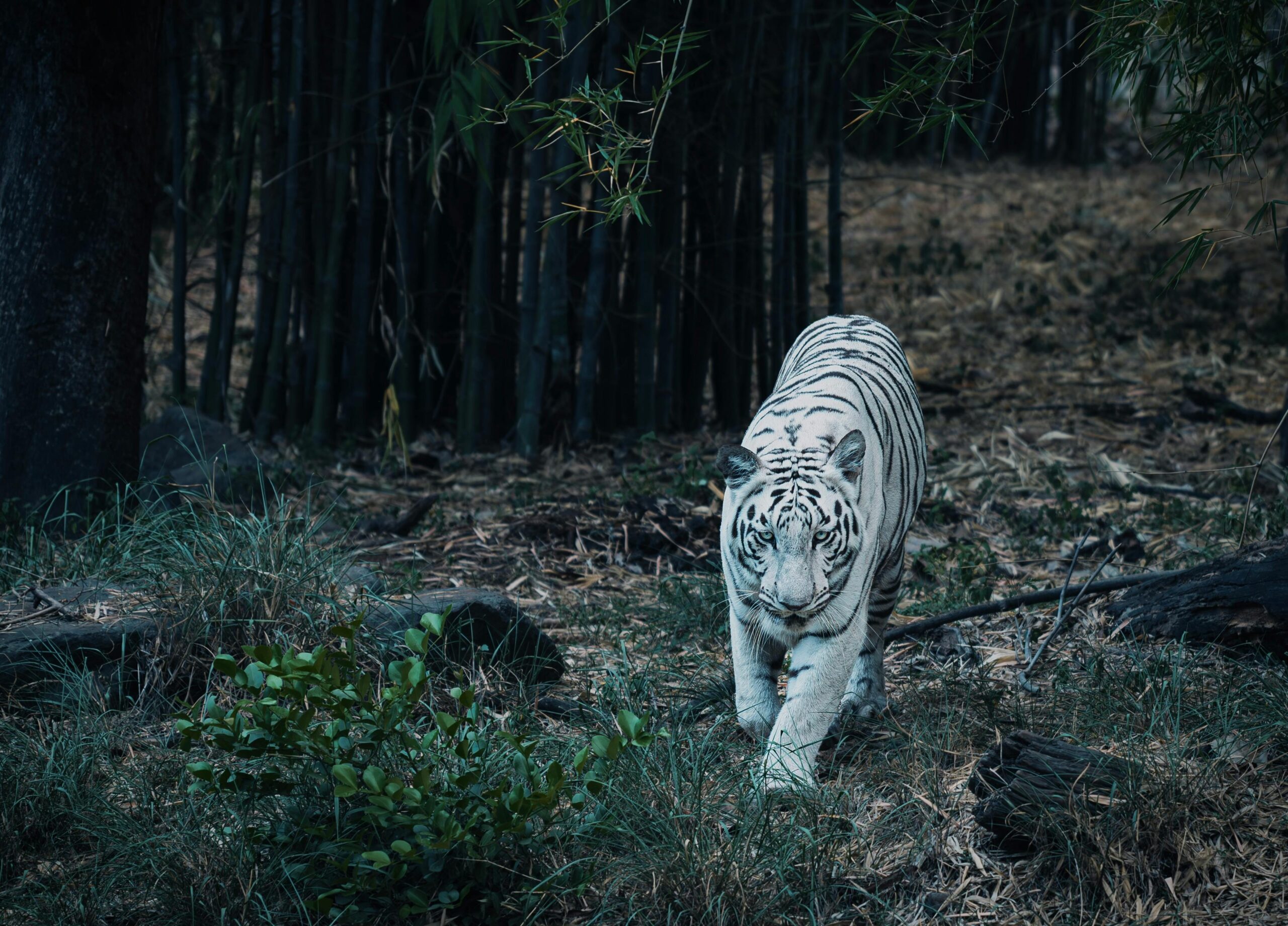
India’s wild tiger story has entered a remarkable chapter. Once pushed to the brink of extinction, the Royal Bengal Tiger (Panthera tigris tigris) — the country’s iconic national animal — is now at the center of a booming tourism and conservation renaissance. Increased sightings across several reserves have drawn international travelers, fueling demand for luxury safaris and eco‑lodges. But beyond exotic travel experiences, this boom reflects decades of carefully managed wildlife protection, evolving economic opportunities, and persistent ecological challenges.

A Conservation Comeback Turned Global Attraction
In the early 2000s, India’s wild tiger population was perilously low, with fewer than 1,500 animals surviving in fragmented forests. Thanks to sustained governmental and civil society efforts — including the flagship Project Tiger conservation program launched in 1973 — India’s tiger numbers have steadily grown. By the 2022 national census, India was estimated to host roughly 3,600–3,700 wild tigers, representing about 75% of the global wild tiger population. India’s tiger recovery story is widely lauded as one of the most significant conservation successes in recent decades.
This growing tiger population has transformed reserves such as Ranthambore, Bandhavgarh, Kanha, Jim Corbett, and Tadoba‑Andhari into premier international wildlife destinations. With increased sightings of tigers and other charismatic megafauna, more tourists are choosing India for wildlife travel than ever before.
Luxury Safari Travel: The New Face of Wildlife Tourism
As tiger sightings rise, so too does demand for premium wildlife experiences. High‑end eco‑lodges, glamping camps, and curated safari circuits are being developed around major reserves. These offerings combine comfort — swimming pools, gourmet cuisine, guided nature walks, spa services — with expert wildlife encounters, catering to affluent tourists from Europe, North America, Southeast Asia, and the Middle East.
This segment of tourism extends beyond traditional jeep safaris. Visitors now enjoy:
- Photographic safaris with professional wildlife photographers,
- Nighttime nature programs (where permitted),
- Cultural immersion activities with local tribal or village communities,
- Heritage tours linked with famed forts, temples, and historical circuit stops near tiger reserves.
Luxury safari travel has become a substantial revenue generator for park infrastructure, community livelihoods, and conservation programs — provided it operates responsibly and sustainably.
Conservation — Successes and Complexities
India’s tiger conservation narrative is rich but nuanced. The policies behind the rebound — including habitat protection, anti‑poaching patrols, and community engagement — have yielded impressive results. But challenges remain:
✔ Habitat and Connectivity
Tigers require expansive, connected forests. While larger reserves like Kanha and Corbett offer robust habitats, some smaller or isolated reserves still struggle with genetic diversity issues and fragmentation.
✔ Human‑Tiger Conflict
As tiger populations recover and expand, more animals are venturing closer to human settlements in search of territory and prey. This has occasionally increased conflict, including livestock losses and fear in rural areas — prompting relocation programs and community awareness drives.
✔ Poaching and Illegal Trade
Despite strong protections, poaching for illegal wildlife parts remains a threat in some regions. Long‑term vigilance, better enforcement, and international cooperation continue to be essential elements in safeguarding tiger populations.
Ecotourism’s Dual Role: Protection and Pressure
Tourism centered around tiger sightings can be a boon — financially and socially — but it must be carefully managed:
Positive impacts include:
- Funding for conservation: Safari permits and tourism revenue help finance reserve operations, anti‑poaching units, and habitat restoration.
- Economic opportunities: Wildlife tourism supports jobs for guides, drivers, lodge staff, artisans, and local communities.
- Awareness and advocacy: Seeing tigers in the wild often inspires visitors to support conservation initiatives and responsible eco‑tourism.
Potential downsides include:
- Disturbance to wildlife behavior: Heavy vehicle traffic or non‑regulated tours can alter tiger movement patterns and stress wildlife.
- Habitat disruption: Construction of roads, camps, or lodges without ecological safeguards can fragment habitat.
- Inflated visitor pressure: Too many tourists, especially off designated tracks, heightens risk of ecosystem degradation.
Balancing economic benefit with ecological sustainability is a priority for conservationists and policymakers alike.
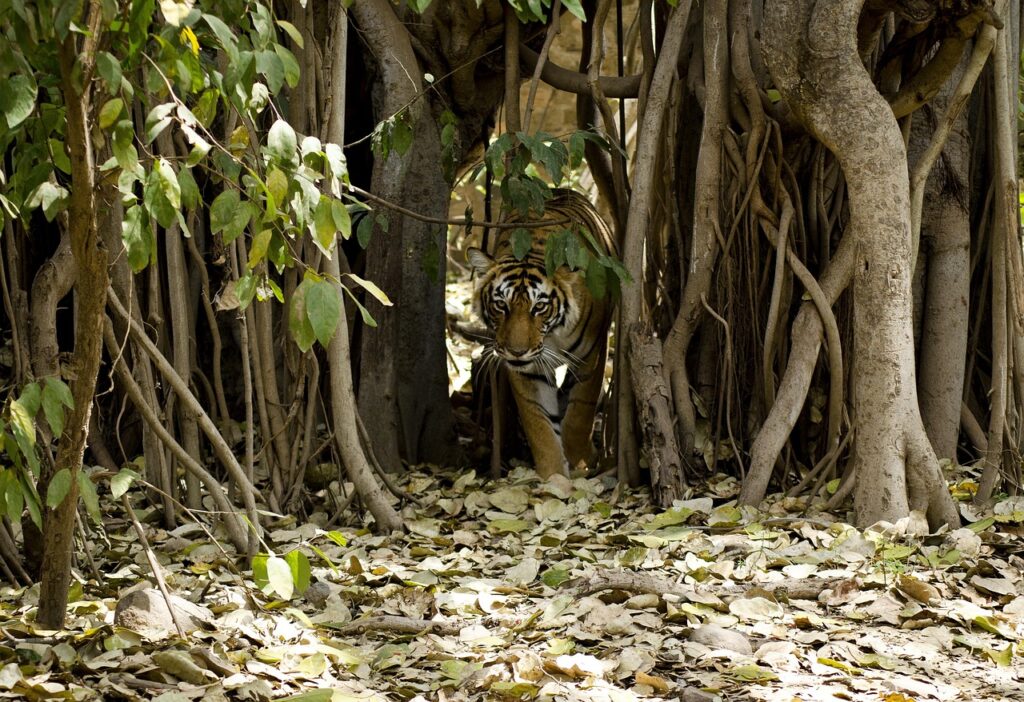
Tiger Safaris Beyond Sightings: Cultural and Ecological Experiences
India’s tiger reserves are also rich in biodiversity and cultural heritage. A safari often includes sightings of elephants, deer, leopards, sloth bears, and prolific birdlife. Many reserves are located near communities with centuries‑old traditions connected to forests, offering deeper cultural engagement.
Some travelers combine tiger safaris with historical tours (e.g., Ranthambore Fort), indigenous village experiences, river excursions, and nature photography workshops. This broadens visitor engagement beyond a single encounter, deepening appreciation for the ecosystems that sustain tigers and other wildlife.
Frequently Asked Questions (FAQs)
1. Why are tiger sightings increasing in India?
Tiger numbers have risen significantly over the past two decades due to targeted conservation efforts, habitat protection, and anti‑poaching measures. As populations grow, sightings naturally increase in key reserves.
2. Which Indian reserves are best for tiger safaris?
Popular destinations with strong tiger populations include:
- Ranthambore National Park
- Bandhavgarh National Park
- Kanha National Park
- Tadoba‑Andhari Tiger Reserve
- Jim Corbett National Park
Each offers unique terrain, safari experiences, and wildlife diversity.
3. When is the best time to go on a tiger safari in India?
The ideal season runs from October to June, when the weather is dry and tigers are more active around water sources, increasing the chance of sightings.
4. Are tiger safaris safe?
Yes — when conducted within regulated reserve zones, led by trained naturalists, and with adherence to safety rules. Staying in designated safari vehicles and following park guidelines ensures minimal risk.
5. Does tourism help tiger conservation?
Tourism provides important funding and awareness for conservation but must be balanced with cautious management to prevent ecosystem stress and human‑wildlife conflict.
6. Is tiger poaching still occurring in India?
Despite strong protections, illegal tiger poaching and wildlife trafficking persist at reduced but notable levels. Continued law enforcement and international cooperation are key to combating this threat.
Conclusion
India’s tiger tourism boom sits at the intersection of conservation success and sustainable tourism opportunity. The increasing number of sightings reflects decades of dedicated protection efforts, while the rise of luxury safaris presents new avenues for economic growth and global wildlife engagement.
Yet, this excitement must not obscure ongoing challenges: mitigating human‑tiger conflict, protecting habitat integrity, and ensuring that tourism supports — rather than strains — the ecosystems it celebrates.
When planned and practiced responsibly, tiger safaris offer a transformative experience — one that fosters admiration, awareness, and active participation in protecting one of the planet’s most majestic and iconic big cats for generations to come.
Sources Bloomberg

