
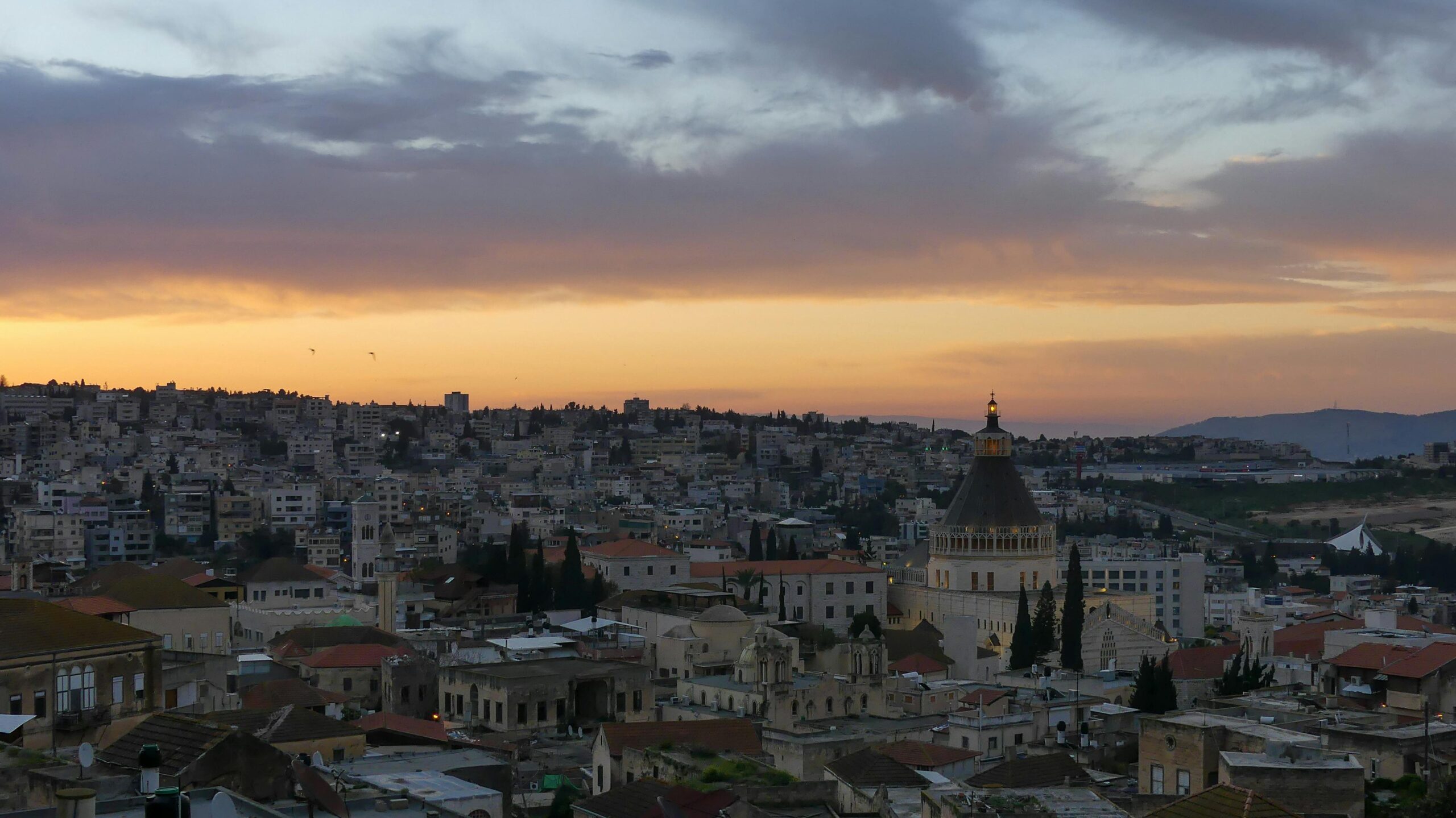
Israel’s move to seize control of an ancient historical site and convert it into a tourist destination has ignited intense debate among archaeologists, local residents, historians, and human rights advocates. At the heart of the controversy is a familiar but unresolved tension: who has the right to control history, how heritage is presented, and whether tourism can coexist with justice and local consent.
While initial reporting highlights the immediate dispute, the broader story involves archaeology, international law, cultural identity, and the political use of tourism. This article expands on the issue by examining why such sites matter, how tourism becomes a political tool, what is at stake for local communities, and what precedents exist elsewhere.
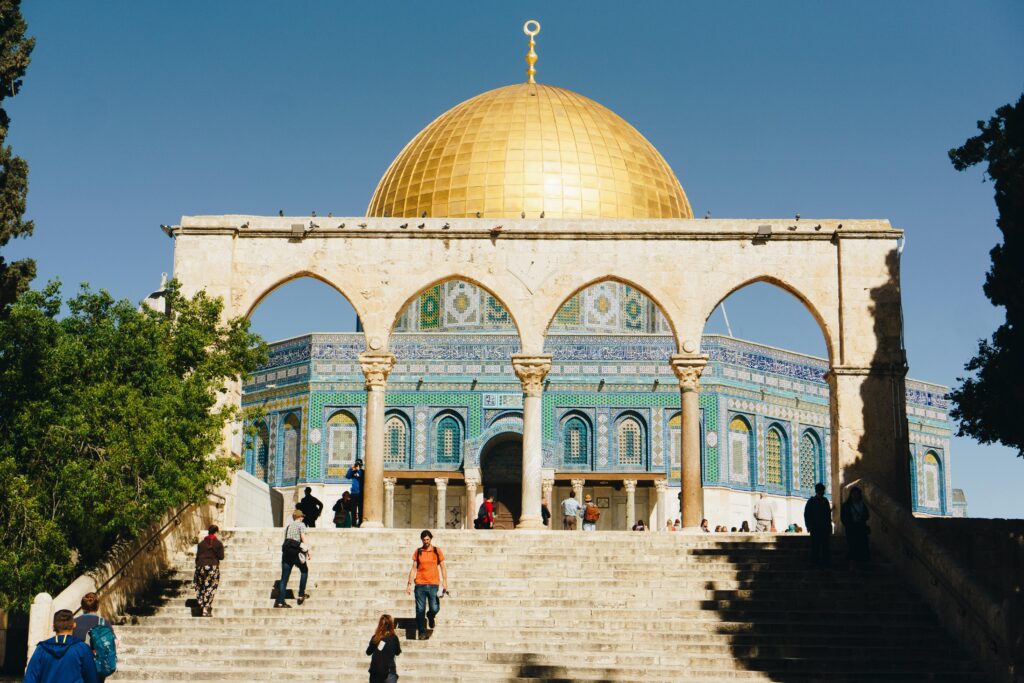
What Is Happening at the Site?
The site in question is an ancient location with layers of historical significance spanning multiple civilizations and centuries. Israeli authorities have taken steps to:
- seize control of the land
- restrict access by local residents
- designate the area as a national heritage or tourism site
- develop infrastructure for visitors
Officials argue that the move is about preservation, education, and public access. Critics contend that it amounts to appropriation of heritage, carried out without the consent of the people who live on or near the land.
Why Ancient Sites Are Politically Sensitive
In regions marked by long-running conflict, archaeology is rarely neutral.
History as Identity
Ancient sites often serve as:
- symbols of national or religious identity
- evidence used to support territorial claims
- tools for legitimizing modern political narratives
Control over heritage can translate into control over how history is told — and who is seen as belonging.
Selective Storytelling
Critics argue that tourism development often emphasizes:
- one historical period or narrative
- one cultural or religious identity
while downplaying or erasing others. This can turn a multi-layered site into a single-story monument.
Tourism as a Tool of Power
Economic and Political Leverage
Tourism brings:
- revenue
- international visibility
- state investment
- symbolic legitimacy
Transforming contested land into a tourist attraction can normalize control over the area and make it harder to challenge politically.
Changing Facts on the Ground
Once infrastructure is built — roads, visitor centers, ticketing systems — control becomes embedded. Over time, tourism can:
- restrict traditional land use
- limit access for local communities
- redefine the site’s identity in public consciousness
What the Original Coverage Didn’t Fully Explore
A. Impact on Local Communities
For residents living nearby, site seizure can mean:
- loss of access to land used for farming or grazing
- restrictions on movement
- exclusion from economic benefits
- cultural alienation from ancestral spaces
Even when tourism creates jobs, locals may be excluded from decision-making or ownership.
B. International Law and Heritage Protections
International conventions emphasize:
- protection of cultural heritage during occupation
- prohibition of altering heritage sites for political gain
- the rights of local populations
Legal experts argue that converting contested heritage into state-run tourism sites raises serious legal and ethical questions.
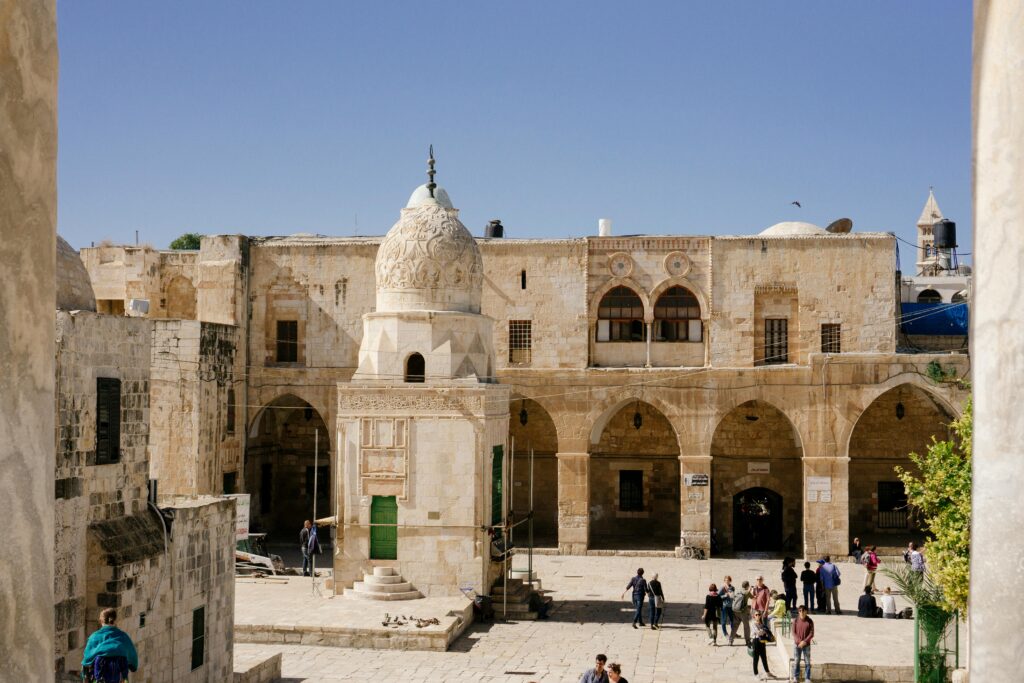
C. Archaeology and Ethics
Many archaeologists caution against:
- excavation driven by ideology rather than scholarship
- development that damages unstudied layers
- politicization of research findings
Ethical archaeology prioritizes preservation, transparency, and community involvement.
D. Precedents in Other Regions
Similar disputes have occurred in:
- the Balkans
- Cyprus
- Kashmir
- parts of Latin America
In many cases, heritage tourism has intensified conflict rather than eased it when local voices were sidelined.
Arguments From Supporters of the Project
Supporters argue that:
- the state has a duty to protect and preserve ancient sites
- tourism increases public knowledge and appreciation
- professional management prevents looting and neglect
- development benefits the broader economy
They maintain that preservation and tourism are compatible — and necessary.
Arguments From Critics
Opponents counter that:
- preservation does not require seizure
- tourism without consent is exploitation
- heritage cannot be separated from living communities
- economic benefits often bypass those most affected
They argue that heritage should unite, not dispossess.
The Bigger Question: Who Owns the Past?
This controversy raises a fundamental issue faced worldwide:
Is heritage owned by states, scholars, or the people who live with it every day?
When history is transformed into a tourist product, it risks becoming detached from lived reality. In contested regions, this detachment can deepen injustice rather than promote understanding.
What Inclusive Heritage Management Could Look Like
Experts suggest alternative approaches:
- joint management with local communities
- shared historical narratives in interpretation
- limits on commercial development
- transparent archaeological oversight
- revenue-sharing models
Such frameworks aim to balance preservation, education, and justice.
Frequently Asked Questions
Why is this site controversial?
Because it lies in a politically contested area and its seizure affects local residents and competing historical narratives.
Is tourism always harmful to heritage sites?
No. Tourism can support preservation — but only when managed ethically and inclusively.
What laws govern cultural heritage in conflict zones?
International conventions emphasize protection of heritage and the rights of local populations.
Do local communities benefit from tourism?
Often unevenly. Without inclusion, benefits may bypass those most affected.
Can archaeology be neutral?
Archaeology aims for objectivity, but funding, access, and interpretation can be politicized.
Has this happened elsewhere?
Yes. Similar disputes have occurred globally where heritage and sovereignty intersect.
What’s at stake long-term?
Control over historical narrative, land rights, community identity, and prospects for coexistence.
Final Thoughts
The seizure of an ancient site to create a tourist destination is about more than preservation or travel. It reflects how history, power, and identity intersect in the modern world. Tourism can illuminate the past — or it can be used to fix political claims into stone and signage.
The challenge is not whether ancient sites should be protected or shared with the public. It is whether they can be preserved without erasing the people whose lives and histories are inseparable from them.
In places where the past is still contested, how history is managed today will shape not just tourism — but the future itself.
Sources NPR

