
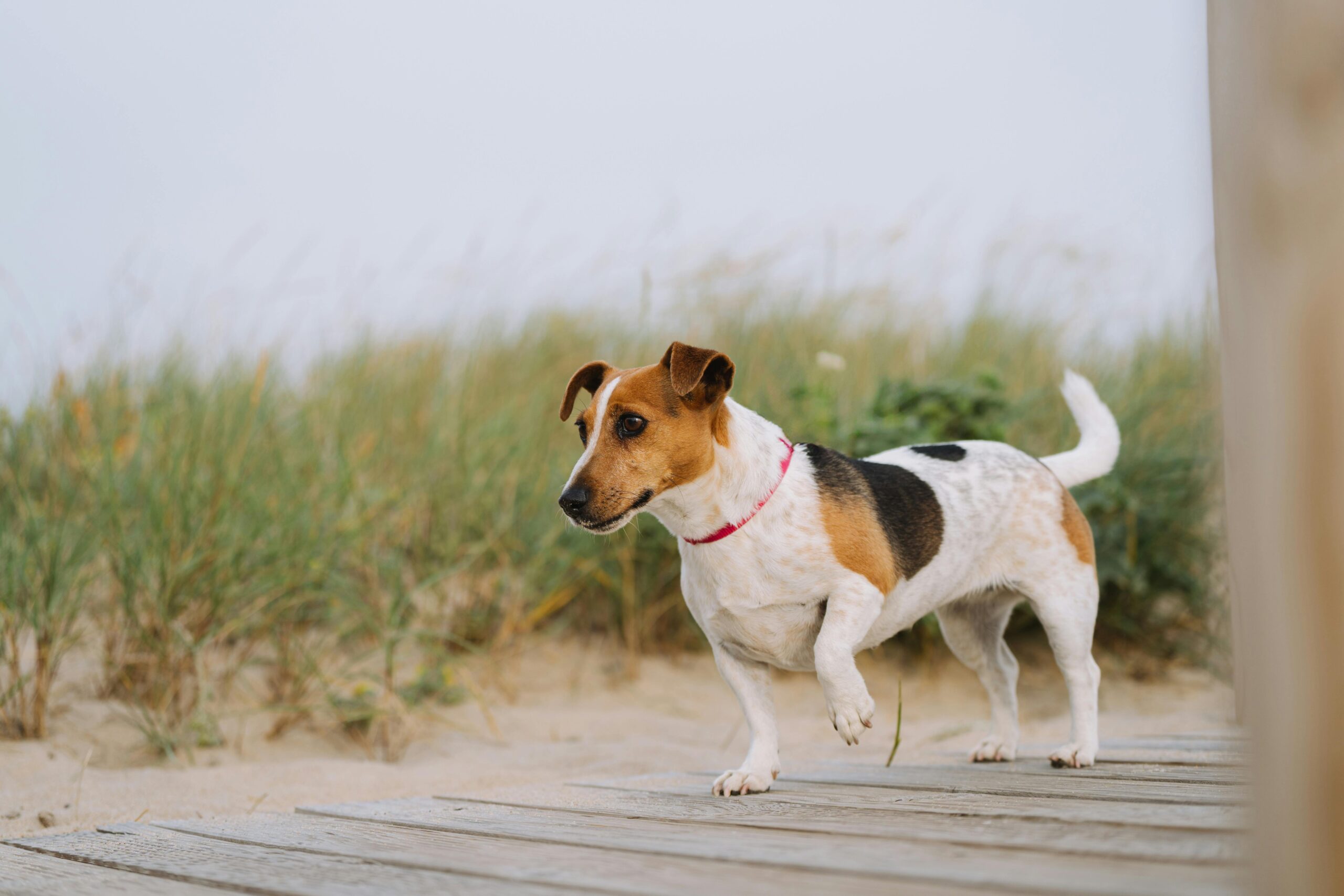
Pets are no longer an afterthought in modern life — and that shift is transforming the tourism industry. The rise of the “pawprint economy”, driven by growing pet ownership and deeper emotional bonds between people and their animals, is creating one of the fastest-growing segments in travel. From dog-friendly hotels and cafés to pet-inclusive airlines and destination experiences, tourism is adapting to a world where pets are treated as family.
This booming sector is not just a lifestyle trend; it represents significant economic opportunity, reshaping how destinations, businesses, and policymakers think about travel.
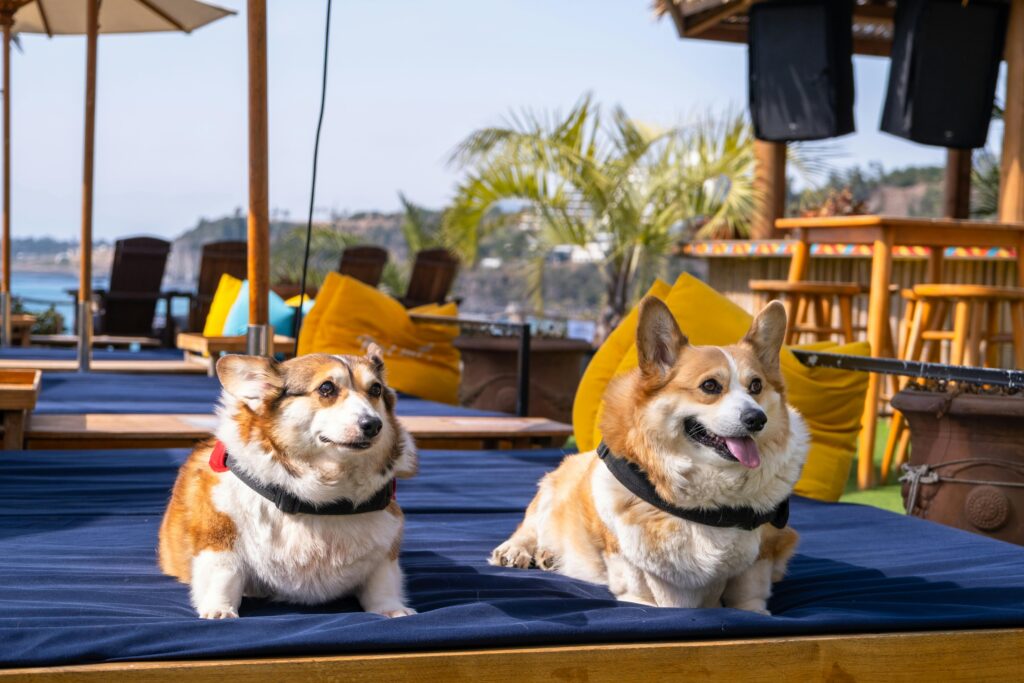
What Is the Pawprint Economy?
The pawprint economy refers to all economic activity linked to pets — including food, healthcare, products, services, and increasingly, travel and tourism. As more people delay parenthood, live alone, or prioritize lifestyle flexibility, pets have become central companions rather than secondary responsibilities.
This emotional shift has direct financial consequences:
- Pet owners spend more per year on animals than ever before
- Travel decisions increasingly factor in pet inclusion
- Businesses that accommodate pets gain loyalty and premium pricing power
Tourism is now one of the most visible beneficiaries of this change.
Why Pet-Friendly Tourism Is Growing So Fast
1. Rising Global Pet Ownership
Urbanization, remote work, and post-pandemic lifestyle changes have fueled pet adoption worldwide. Many households now consider pets essential members of the family — making travel without them emotionally difficult or undesirable.
2. Humanization of Pets
Pets are no longer viewed merely as animals but as companions with emotional needs. This “humanization” drives demand for:
- Comfortable travel conditions
- High-quality accommodation
- Experiences designed specifically for pets
Travel providers that ignore this shift risk losing customers.
3. Remote and Flexible Work
With more people working remotely, travelers can:
- Take longer trips
- Choose slower, destination-based travel
- Bring pets along rather than relying on boarding services
This has expanded demand for long-stay, pet-friendly accommodation and regional tourism.
How the Tourism Industry Is Responding
Pet-Friendly Accommodation
Hotels, resorts, vacation rentals, and boutique lodgings are increasingly offering:
- Pet beds, bowls, and treats
- Designated pet areas
- On-site grooming or walking services
Some properties now brand themselves entirely around pet-friendly luxury.
Transportation and Mobility
Airlines, ferries, trains, and car rental companies are adapting with:
- Expanded in-cabin pet policies
- Pet-friendly seating zones
- Improved safety and comfort standards
Ground transportation and road-trip tourism benefit especially from pet-inclusive policies.
Experiences and Attractions
Destinations are developing:
- Dog-friendly beaches and parks
- Pet-welcoming cafés and wineries
- Guided tours designed for animals and owners
These experiences extend visitor stays and spending.

Economic Benefits for Destinations
Higher Spending and Longer Stays
Pet owners often:
- Stay longer to reduce travel stress
- Choose higher-quality accommodation
- Spend more on food, services, and local experiences
This makes them highly valuable visitors.
Reduced Seasonality
Pet-friendly travel is less tied to school holidays, helping destinations smooth demand throughout the year.
Support for Small Businesses
Local cafés, groomers, vets, pet stores, and tour operators all benefit from increased pet-inclusive travel.
Challenges and Considerations
Health, Safety, and Regulation
Destinations must balance pet-friendly policies with:
- Public health concerns
- Wildlife protection
- Cultural attitudes toward animals
Clear rules and infrastructure are essential to avoid conflict.
Environmental Impact
Pet tourism can increase pressure on:
- Natural habitats
- Protected areas
- Waste management systems
Responsible tourism planning is critical.
Cultural Differences
Attitudes toward pets vary globally. What is normal in one country may be frowned upon in another, requiring sensitivity and education for travelers.
The Future of Pet-Friendly Tourism
Looking ahead, experts expect:
- Dedicated pet travel packages
- International standards for pet accommodation
- Greater integration of pet services into tourism planning
- Growth in wellness travel for both humans and animals
As demographics shift and lifestyles evolve, pet-inclusive travel is likely to become mainstream rather than niche.
Tips for Travelers With Pets
- Research pet policies thoroughly before booking
- Carry health and vaccination documentation
- Respect local customs and rules
- Choose destinations that actively support pet tourism
- Prioritize your pet’s comfort over convenience
Responsible travel ensures positive experiences for everyone.
Frequently Asked Questions (FAQs)
1. What is pet-friendly tourism?
Pet-friendly tourism allows travelers to bring pets along and provides accommodation, transportation, and experiences designed to meet their needs.
2. Why is the pawprint economy growing?
It’s driven by increased pet ownership, stronger emotional bonds with animals, remote work flexibility, and changing family structures.
3. Do pet-friendly travelers spend more?
Yes. Studies show pet owners often spend more per trip and stay longer when traveling with animals.
4. Are all destinations welcoming to pets?
No. Policies and cultural attitudes vary widely, making research and cultural sensitivity essential.
5. Will pet-friendly travel continue to grow?
Yes. Demographic trends and lifestyle changes suggest long-term growth across tourism, hospitality, and transportation sectors.
Conclusion
The booming pawprint economy is redefining tourism. As pets become inseparable from modern lifestyles, destinations that embrace pet-friendly travel gain a competitive advantage — economically, socially, and culturally.
The future of tourism isn’t just about attracting visitors; it’s about welcoming entire households, paws included. For destinations and businesses willing to adapt, the rewards are substantial — and the loyalty of pet travelers may be among the strongest in the industry.

Sources The Conversation

