
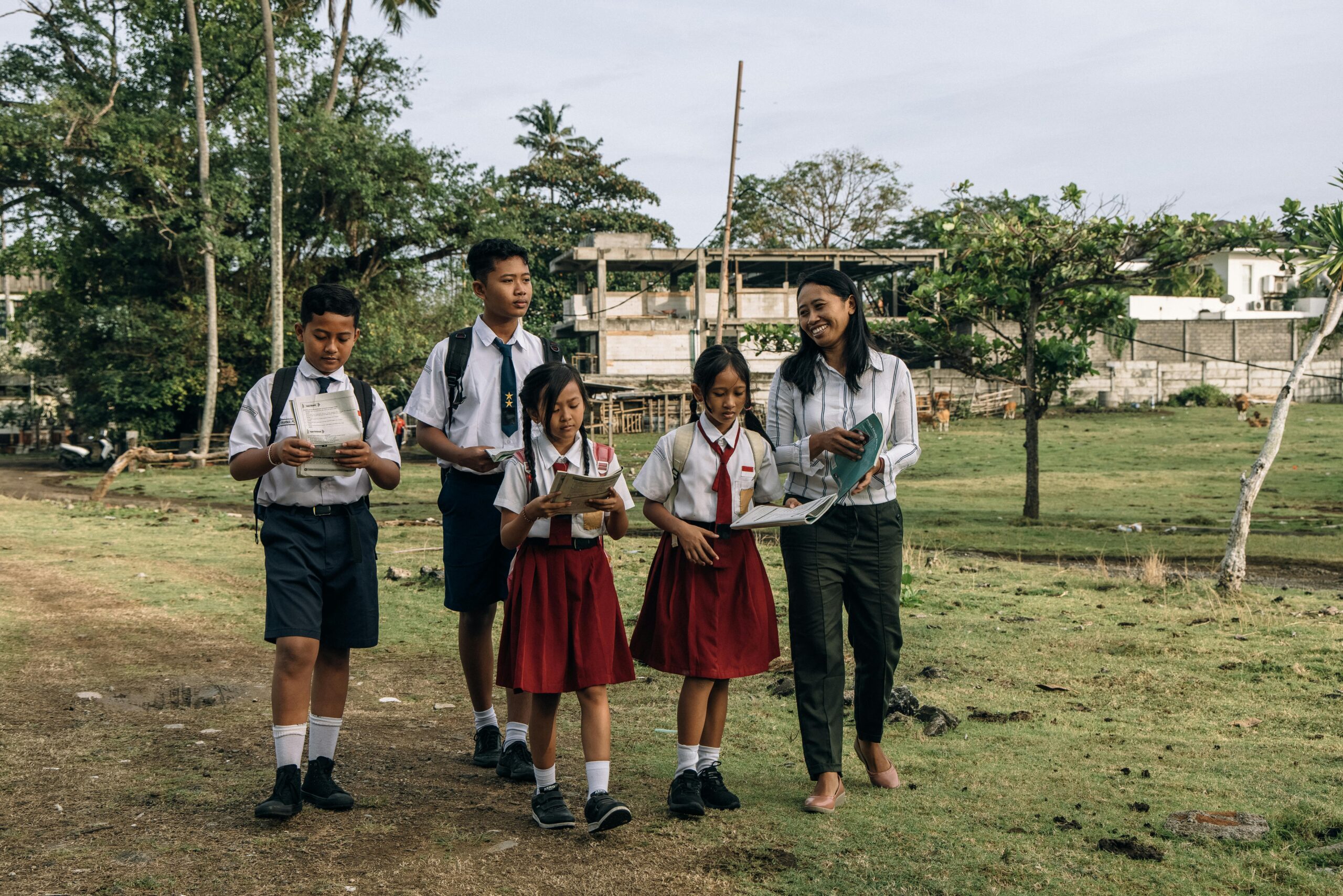
Artificial intelligence is rapidly reshaping education, but its impact is often most visible in well-funded urban schools. Far from the spotlight, however, student volunteers are experimenting with language models in rural education, uncovering both powerful opportunities and real challenges. These grassroots efforts reveal how AI tools—when thoughtfully applied—can help bridge educational gaps, empower teachers, and expand learning opportunities for underserved communities.
Rather than focusing solely on technology, these initiatives highlight a bigger story: how human mentorship, local context, and ethical use of AI determine whether language models become tools of empowerment or sources of new inequality.

Why Rural Education Faces Unique Challenges
Rural schools around the world often struggle with structural disadvantages that technology alone cannot solve:
- Teacher shortages, especially in STEM and language subjects
- Limited access to updated textbooks and learning materials
- Geographic isolation, reducing exposure to diverse educational resources
- Digital infrastructure gaps, including unreliable internet access
As a result, students in rural areas frequently have fewer academic support options outside the classroom.
What Student Volunteers Are Doing Differently
Student volunteers—often from universities or technical programs—are playing a crucial role in testing how language models (LMs) can be integrated responsibly into rural learning environments.
Their work typically focuses on three areas:
1. Supplementing, Not Replacing, Teachers
Rather than positioning AI as a substitute for educators, volunteers use language models as:
- Homework assistants
- Reading comprehension aids
- Writing feedback tools
- Question-generation systems for practice
This approach respects the central role of teachers while easing their workload.
2. Personalized Learning at Scale
Language models can adapt explanations to different skill levels, allowing students to:
- Revisit concepts multiple times
- Ask questions without fear of embarrassment
- Learn at their own pace
For classrooms with wide learning gaps, this personalization is especially valuable.
3. Localized and Context-Aware Content
Volunteers often adapt AI prompts to reflect:
- Local culture and examples
- Regional languages or dialects
- Curriculum requirements
This prevents AI from feeling abstract or disconnected from students’ lived experiences.
Observed Benefits in Rural Classrooms
Improved Engagement
Students are often more willing to interact with AI tools than traditional worksheets, especially when content feels conversational and supportive.
Boosted Confidence
By allowing private trial-and-error learning, language models help students practice skills without the fear of public mistakes.
Teacher Support
Educators report that AI tools can:
- Save time on repetitive explanations
- Provide extra practice materials
- Help identify common misconceptions

Challenges and Ethical Considerations
Despite promising results, student-led projects also reveal important risks.
Digital Divide
Without reliable devices or internet access, AI tools can widen existing inequalities. Offline or low-bandwidth solutions are critical.
Overreliance on AI
Students may be tempted to copy answers rather than learn concepts. Volunteers emphasize guided use and clear boundaries.
Bias and Accuracy
Language models may reflect cultural bias or generate incorrect information. Human oversight remains essential.
Data Privacy
Protecting student data—especially minors—is a non-negotiable concern in any AI deployment.
The Role of Human Mentorship
One of the most important findings from student volunteer programs is that AI works best when paired with human guidance.
Volunteers often serve as:
- Mediators between technology and teachers
- Trainers who explain AI limitations
- Role models demonstrating responsible use
This human layer ensures that technology enhances learning rather than dominating it.
Long-Term Potential for Rural Education
When implemented thoughtfully, language models could help rural education by:
- Expanding access to quality explanations and practice
- Supporting multilingual learning environments
- Reducing teacher burnout
- Encouraging self-directed learning
However, success depends on policy support, infrastructure investment, and ongoing evaluation, not just enthusiasm for new tools.
Best Practices Emerging From Student-Led Projects
- Start small with pilot programs
- Train teachers before introducing tools to students
- Use AI as a supplement, not an authority
- Emphasize critical thinking and verification
- Regularly assess learning outcomes
These practices help align AI use with educational goals rather than novelty.
Frequently Asked Questions (FAQs)
1. What are language models in education?
Language models are AI systems that understand and generate text, helping with explanations, feedback, and practice across subjects.
2. Why are student volunteers involved in rural AI education projects?
They bring technical knowledge, flexibility, and a service-oriented mindset, often bridging gaps between universities and underserved communities.
3. Do language models replace teachers in rural schools?
No. Successful projects use AI to support teachers, not replace them. Human instruction remains essential.
4. What risks come with using AI in rural education?
Key risks include digital inequality, overreliance on AI, misinformation, bias, and data privacy concerns.
5. Can rural schools use language models without strong internet access?
Some tools can operate offline or with limited connectivity, but infrastructure investment remains crucial for long-term success.
Conclusion
Student volunteers exploring the impact of language models in rural education are uncovering a vital lesson: technology alone does not solve educational inequality—people do. Language models can amplify learning, personalize education, and support overstretched teachers, but only when guided by human values, local context, and ethical awareness.
As these early experiments continue, they offer a blueprint for how AI can serve as a bridge rather than a barrier, bringing quality education closer to rural students while preserving the human heart of learning.

Sources Bioengineer

