

Thailand has long been one of the world’s most resilient tourism powerhouses, welcoming tens of millions of visitors each year with its beaches, culture, cuisine, and affordability. Yet as 2025 draws to a close, Thailand’s tourism sector is facing a more complex slowdown than a simple post-pandemic dip. A strong baht, combined with geopolitical tensions and lingering uncertainty around Chinese outbound travel, is creating headwinds that threaten one of the country’s most vital economic engines.
This moment is forcing Thailand to rethink its tourism strategy—not just to recover, but to adapt to a more volatile global travel environment.
Why Thailand’s Tourism Is Struggling in 2025
1. The Strong Baht Problem
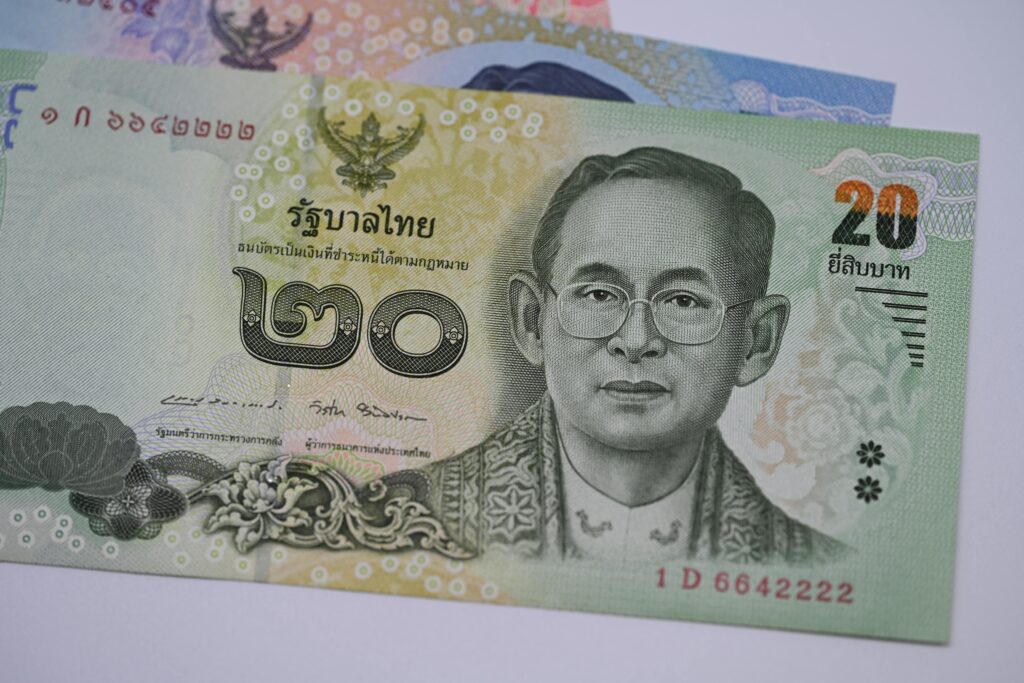
Thailand’s currency has appreciated significantly against major currencies, including the Chinese yuan, Japanese yen, and several European currencies. While a strong baht reflects economic stability, it has a downside for tourism:
- Thailand appears more expensive to foreign visitors
- Hotel rates, meals, shopping, and tours cost more in home currencies
- Budget-conscious travelers reconsider or shorten trips
Thailand’s long-standing reputation as a value destination is under pressure.
2. Dependence on Chinese Tourists
Before the pandemic, Chinese travelers were Thailand’s single largest tourism market, accounting for a substantial share of arrivals and spending. While some Chinese travel has returned, volumes remain well below pre-2020 levels due to:
- Slower economic growth in China
- Currency weakness reducing overseas spending power
- Heightened security and geopolitical concerns
- Shifts toward domestic and short-haul travel
The absence of large-scale Chinese group tourism is being felt across hotels, airlines, retailers, and tour operators.
3. Geopolitical and Security Concerns
Regional conflicts, global political tensions, and safety perceptions have made travelers more cautious. Even isolated incidents can affect bookings, particularly from East Asian markets that are highly sensitive to perceived risk.
Thailand’s tourism sector is learning that perception matters as much as reality.
Economic Impact on Thailand
Tourism’s Role in the Economy
Tourism contributes roughly 20% of Thailand’s GDP when accounting for direct and indirect effects. A slowdown has wide-reaching consequences:
- Reduced employment in hospitality and transport
- Lower income for small businesses and informal workers
- Decreased foreign currency inflows
- Pressure on government revenue
Regions heavily dependent on tourism—such as Phuket, Pattaya, Krabi, and Chiang Mai—are particularly vulnerable.
Uneven Recovery
Not all segments are suffering equally:
- Luxury tourism remains relatively strong, as affluent travelers are less price-sensitive
- Budget and mass tourism is under greater strain
- Long-stay and digital nomad travel has partially offset declines
This uneven recovery is reshaping Thailand’s tourism mix.

How Thailand Is Responding
1. Diversifying Source Markets
Thailand is actively courting travelers from:
- India
- Middle East
- Europe
- Southeast Asia
These markets help reduce reliance on any single country, though none can immediately replace China’s scale.
2. Promoting Higher-Value Tourism
Rather than chasing volume, Thailand is emphasizing:
- Wellness and medical tourism
- Gastronomy and cultural travel
- Eco-tourism and sustainability
- Long-stay visas for remote workers and retirees
The goal is to increase spending per visitor, even if arrival numbers remain lower.
3. Incentives and Subsidies
Authorities are exploring:
- Airline route incentives
- Event-driven tourism promotions
- Domestic travel subsidies
These measures aim to stabilize demand while global conditions evolve.
Challenges That Remain
Price Sensitivity
Thailand must balance maintaining quality with remaining affordable. Persistent currency strength could make this difficult.
Overcapacity Risks
Hotels and tourism infrastructure built for pre-pandemic volumes risk underutilization, pressuring margins and employment.
External Dependence
Tourism remains vulnerable to forces beyond Thailand’s control—exchange rates, geopolitics, and global economic cycles.
What This Means for Travelers
For visitors, the situation creates mixed effects:
- Thailand may feel less “cheap,” but still competitive relative to Western destinations
- Crowds may be lighter in some areas
- Service quality remains high as businesses compete for guests
Travelers seeking value may find better deals outside peak seasons or in secondary destinations.
Thailand’s Tourism Outlook Beyond 2025
Most analysts expect gradual improvement, but not a return to old patterns. The future of Thai tourism is likely to feature:
- More diversified visitor markets
- Fewer low-cost mass tours
- Greater emphasis on sustainability and quality
- Stronger focus on long-term visitors
This transition may be painful in the short term but could make the sector more resilient.
Frequently Asked Questions (FAQs)
1. Why is a strong baht bad for tourism?
A strong baht makes Thailand more expensive for foreign visitors, reducing affordability and demand, especially for price-sensitive markets.
2. Are Chinese tourists returning to Thailand?
Some are returning, but numbers remain well below pre-pandemic levels due to economic, geopolitical, and currency-related factors.
3. Is Thailand still affordable for tourists?
Thailand is less cheap than before but remains competitive compared to Europe or North America, especially for mid-range and long-stay travelers.
4. Which tourism segments are performing best?
Luxury travel, wellness tourism, and long-stay visitors are outperforming mass-market tourism.
5. Will Thai tourism recover fully?
Recovery is expected, but the structure of tourism is changing. Thailand is likely to see a more diversified and higher-value tourism model rather than a simple return to past volumes.
Conclusion
Thailand’s tourism slowdown in 2025 highlights how currency strength, geopolitical uncertainty, and overreliance on a single market can converge to create real economic pressure. While the challenges are significant, Thailand’s adaptability, strong global brand, and strategic pivot toward higher-value tourism offer reasons for cautious optimism.
The road ahead will require patience, diversification, and smart policy—but if Thailand succeeds, it may emerge with a tourism industry that is smaller in volume, stronger in value, and more resilient for the future.

Sources Bloomberg

