
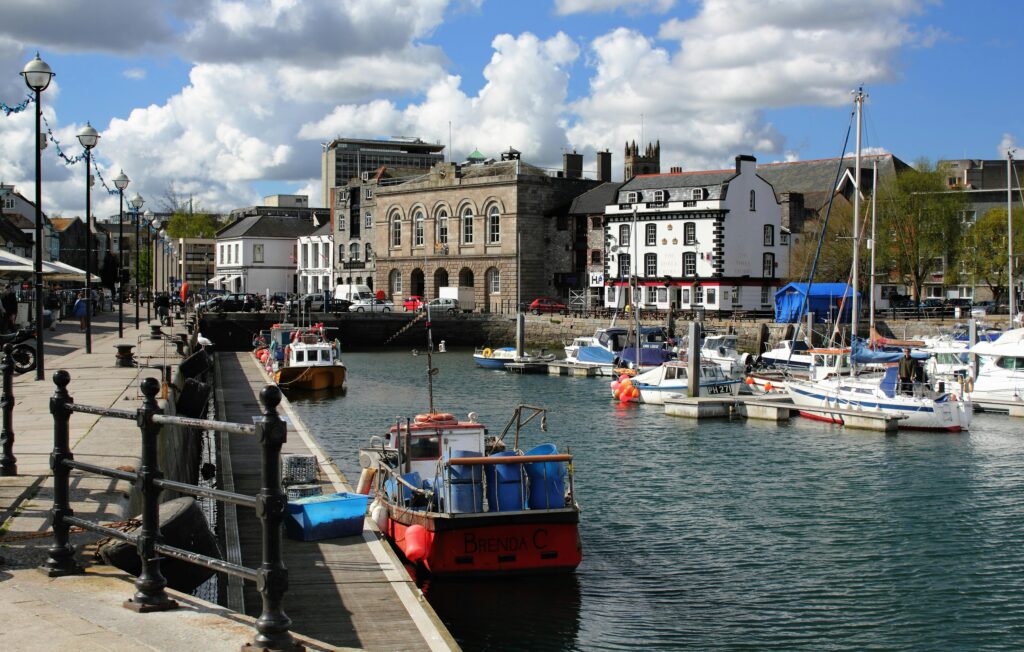
After a disappointing tourism season, coastal destinations like Plymouth are regrouping and planning aggressively for a stronger rebound next summer. Local officials, tourism boards, and business owners acknowledge that recent visitor numbers fell short of expectations—but they also see the downturn as a temporary correction rather than a long-term decline. With new strategies, investments, and lessons learned, these communities are positioning themselves to “cash in” when travelers return in greater numbers.
The story unfolding in Plymouth reflects a broader trend affecting many seaside and heritage destinations: adapting to changing travel behavior while preparing for renewed demand.

Why the Last Tourism Season Fell Short
1. Changing Travel Patterns
Travelers are increasingly:
- Taking fewer but longer trips
- Prioritizing international or bucket-list destinations
- Avoiding peak-season crowds
This shift has disproportionately affected smaller domestic destinations that rely on short stays and repeat regional visitors.
2. Weather and Timing Challenges
Unpredictable weather during key summer months discouraged day-trippers and short-term visitors. For coastal towns, even a few poor-weather weekends can significantly impact annual revenue.
3. Inflation and Cost Sensitivity
Rising prices for accommodation, food, fuel, and entertainment made travelers more selective. Some visitors shortened stays or opted for alternative destinations perceived as offering better value.
4. Staffing and Capacity Constraints
Labor shortages limited:
- Restaurant operating hours
- Hotel room availability
- Tour and attraction schedules
Reduced capacity sometimes meant destinations couldn’t fully capitalize on demand when it did appear.
Why Optimism Is High for Next Summer
Despite recent setbacks, tourism leaders are confident about a rebound—and their optimism is backed by planning and data.
1. Pent-Up Domestic Travel Demand
Many travelers postponed trips rather than canceling them entirely. Tourism officials expect this deferred demand to surface next summer, especially for short coastal breaks and family-friendly destinations.
2. Stronger Marketing and Branding Efforts
Destinations are refining their messaging to highlight:
- Authentic local experiences
- Food, arts, and cultural heritage
- Outdoor recreation and waterfront activities
Rather than generic promotion, marketing is becoming more targeted and experience-driven.
3. Expanded Events and Programming
Communities are investing in:
- Festivals and live music
- Historical reenactments and cultural events
- Food, wine, and craft showcases
These attractions help extend stays and draw visitors beyond peak weekends.
4. Infrastructure and Business Readiness
Businesses are using the slower period to:
- Renovate accommodations
- Upgrade outdoor seating and amenities
- Improve digital booking and customer service systems
These upgrades improve visitor experience and competitiveness.
How Local Businesses Are Adapting
Flexible Pricing and Packages
Hotels and attractions are experimenting with:
- Midweek discounts
- Bundled experiences
- Shoulder-season incentives
These strategies help smooth demand and increase occupancy.
Diversifying the Visitor Base
Rather than relying solely on summer tourists, destinations are targeting:
- Retirees and off-season travelers
- Remote workers seeking short stays
- Event and group travel
This diversification reduces vulnerability to seasonal swings.
Collaboration Over Competition
Local businesses are increasingly working together—cross-promoting attractions, coordinating event calendars, and sharing marketing platforms—to strengthen the overall destination appeal.
The Economic Stakes for Coastal Towns
Tourism supports:
- Hospitality and food service jobs
- Retail and entertainment businesses
- Municipal tax revenue
- Preservation of historic sites and waterfront infrastructure
A strong summer season often determines whether businesses remain viable year-round. That’s why recovery planning is so critical.
Lessons Learned From a Down Year
The recent slowdown has prompted reflection:
- Overreliance on peak-season tourism is risky
- Experience quality matters as much as visitor volume
- Weather resilience and flexible planning are essential
- Community engagement strengthens tourism strategy
These lessons are shaping more resilient tourism models.
What Travelers Can Expect Next Summer
Visitors are likely to see:
- More events and activities
- Better value-driven packages
- Improved service and amenities
- Less overcrowding compared to pre-pandemic peaks
For travelers, the coming season may offer a sweet spot of quality, availability, and experience.
Frequently Asked Questions (FAQs)
1. Why was the last tourism season weak?
A combination of changing travel habits, weather issues, higher costs, and staffing challenges contributed to lower-than-expected visitor numbers.
2. Why are businesses confident about next summer?
Pent-up travel demand, improved marketing, expanded events, and infrastructure investments point toward a stronger season ahead.
3. How are destinations trying to attract more visitors?
Through targeted marketing, new events, flexible pricing, and a focus on authentic local experiences.
4. Will prices increase next summer?
Some price adjustments are likely, but many businesses are prioritizing value and packages to remain competitive.
5. Is tourism expected to fully recover?
While recovery may be gradual, most indicators suggest a strong rebound rather than a permanent decline.
Conclusion
A slow tourism season can be painful—but it can also be productive. For destinations like Plymouth, the recent downturn has sparked strategic reinvention rather than retreat. By investing in experiences, collaboration, and readiness, coastal communities are positioning themselves to capture renewed demand next summer.
If their plans succeed, the next season won’t just be about recovery—it will be about building a more resilient, adaptable, and sustainable tourism economy for years to come.
Sources Plymouth Independent

