
New York City is often described as a global capital of arts and culture, home to world-class museums, theaters, music venues, galleries, and public art spaces. For millions of New Yorkers and visitors with disabilities, however, full access to this cultural richness has historically been uneven. The AccessibleNYC 2025 Arts report highlights meaningful progress—but also reveals the work still needed to ensure that arts and culture are truly inclusive for all.
Accessibility in the arts is not just about physical access. It is about participation, representation, dignity, and the right to experience culture on equal terms.
Why Accessibility in the Arts Matters
Arts and culture play a critical role in civic life. They:
- Foster community connection
- Support mental and emotional well-being
- Provide educational opportunities
- Create pathways for employment and creative expression
For people with disabilities, barriers to arts access can lead to cultural exclusion and social isolation. Inclusive cultural spaces help affirm identity, amplify disabled voices, and ensure that creativity reflects the diversity of the city itself.
What the AccessibleNYC 2025 Arts Report Focuses On
The AccessibleNYC 2025 initiative emphasizes improving access to arts and cultural institutions across New York City through coordinated policy, funding, and accountability.
Key Focus Areas Include:
- Physical accessibility of venues
- Programmatic and sensory access
- Digital and online accessibility
- Representation of disabled artists
- Staff training and institutional culture
The report frames accessibility not as a one-time compliance issue, but as an ongoing commitment embedded into planning and operations.
Progress Made Across NYC’s Cultural Sector
Improved Physical Access
Many museums, theaters, and cultural spaces have expanded:
- Step-free entrances
- Elevators and ramps
- Accessible restrooms
- Wheelchair seating integrated throughout venues
Newer and renovated facilities increasingly incorporate universal design principles from the outset rather than retrofitting later.
Expanded Programmatic Access
Institutions are offering more:
- ASL-interpreted performances
- Open captioning and supertitles
- Audio description for visual content
- Touch tours for blind and low-vision visitors
These offerings help ensure that performances and exhibitions are experienced as fully as possible.
Sensory-Inclusive Programming
There has been growth in:
- Relaxed performances
- Sensory-friendly museum hours
- Adjusted lighting and sound levels
These initiatives benefit not only people with autism or sensory sensitivities, but also seniors, families, and others who prefer calmer environments.
Digital Accessibility: A Growing Priority
As arts organizations expand online programming, digital accessibility has become increasingly important. Progress includes:
- Captioned videos and livestreams
- Screen-reader-friendly websites
- Accessible ticketing platforms
However, digital barriers persist, especially for smaller organizations with limited technical resources.
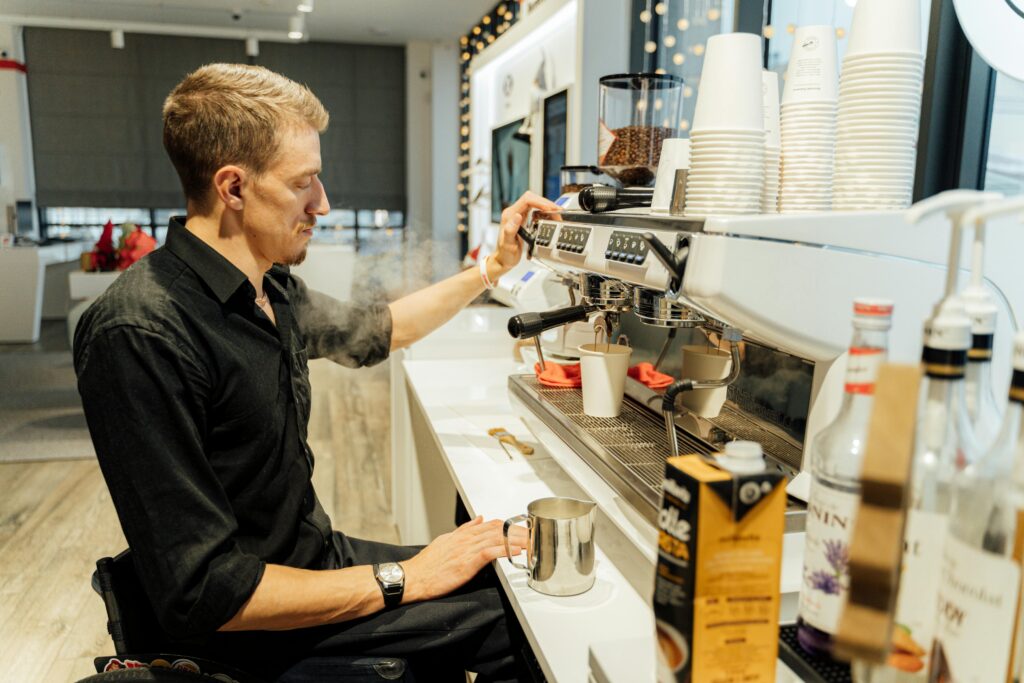
Representation and Inclusion of Disabled Artists
True accessibility goes beyond audience access—it includes who gets to create, lead, and be seen.
Encouraging Trends
- More exhibitions featuring disabled artists
- Inclusive casting and performance practices
- Disability-led storytelling and curation
Ongoing Challenges
- Limited funding for disabled artists
- Underrepresentation in leadership roles
- Inconsistent accessibility in artist workspaces
Addressing these gaps is essential for equity within the cultural workforce.
Barriers That Still Exist
Despite progress, significant challenges remain:
Uneven Access Across the City
Smaller venues and older buildings often struggle to meet accessibility standards due to cost, space, or landmark restrictions.
Inconsistent Information
Visitors frequently report difficulty finding clear, accurate accessibility information before attending events.
Training and Awareness Gaps
Accessibility depends heavily on staff knowledge and attitudes. Without consistent training, even well-designed accommodations may not function effectively.
Funding Limitations
Accessibility improvements require sustained investment. Many organizations rely on grants that may be short-term or insufficient.
The Role of Policy and Partnerships
City agencies, cultural institutions, and disability advocacy groups play complementary roles:
- Government sets standards and provides funding
- Institutions implement inclusive practices
- Advocates ensure accountability and lived-experience insight
Cross-sector collaboration is critical to sustaining long-term change.
Looking Ahead: The Future of Accessible Arts in NYC
The AccessibleNYC 2025 framework positions accessibility as a cultural value, not a compliance checkbox. Future priorities include:
- Integrating accessibility into early planning and design
- Standardizing accessibility information citywide
- Expanding funding for disability-led arts initiatives
- Measuring accessibility outcomes, not just inputs
As accessibility improves, everyone benefits—from parents with strollers to older adults to people experiencing temporary injuries.
Frequently Asked Questions (FAQs)
What is AccessibleNYC 2025?
It is a citywide initiative aimed at making New York City more accessible and inclusive for people with disabilities across all aspects of life, including arts and culture.
Does accessibility only mean wheelchair access?
No. Accessibility includes sensory, cognitive, digital, and communication access, as well as inclusive programming and representation.
Are all NYC arts venues fully accessible?
Not yet. While many have made improvements, accessibility varies by venue size, age, and resources.
How can visitors find accessibility information?
Many institutions publish accessibility guides on their websites, though consistency and clarity remain areas for improvement.
Are disabled artists supported by NYC’s cultural sector?
Support is growing, but disabled artists remain underrepresented and often face structural barriers to funding and leadership roles.
How can arts organizations improve accessibility?
By involving disabled people in planning, investing in staff training, prioritizing universal design, and committing long-term resources.
Why does accessible art benefit everyone?
Inclusive design improves comfort, usability, and engagement for all audiences—not just people with disabilities.
Conclusion
New York City has made meaningful strides toward creating a more accessible cultural landscape, but accessibility remains a work in progress. The AccessibleNYC 2025 Arts framework highlights both achievements and unfinished business, emphasizing that inclusion must be intentional, ongoing, and community-driven.
By centering disabled voices, investing in inclusive design, and treating accessibility as a core cultural value, New York City can continue moving closer to its goal of arts and culture that truly belong to everyone.
Sources NYC

