
For decades, travelers from Saskatchewan have been a vital part of the tourism economy in North Dakota and Montana. From shopping trips and sporting events to national parks and family vacations, cross-border travel has long felt routine rather than international. But in recent years, that flow has slowed dramatically—and border states are now hoping 2026 marks a turning point.
The push to bring Saskatchewan tourists back is about more than hotel bookings. It reflects broader shifts in travel habits, currency pressures, political sentiment, and how cross-border relationships are evolving in North America.
Why Saskatchewan Tourists Matter So Much
A Historically Reliable Market
Saskatchewan residents have traditionally been:
- Frequent visitors rather than once-a-year tourists
- Long-stay travelers in summer months
- Loyal repeat customers for U.S. border towns
Their proximity makes them especially valuable. Many trips are spontaneous, weather-driven, or tied to family routines—filling hotels and campgrounds when long-haul tourists are absent.
Economic Impact on Border Communities
Tourism from Saskatchewan supports:
- Hotels and motels
- Restaurants and bars
- Retail outlets and outlet malls
- Gas stations and campgrounds
- Events, fairs, and sports tournaments
In small border towns, even modest declines in Canadian visitors can be felt immediately.
Why Travel Has Not Fully Rebounded
Exchange Rate Pressures
One of the biggest deterrents is the Canadian dollar, which has remained relatively weak against the U.S. dollar. For Saskatchewan families, this means:
- Higher accommodation costs
- More expensive shopping and dining
- Less value for short leisure trips
Even small currency gaps significantly affect discretionary travel.
Post-Pandemic Habit Changes
Many Canadians adjusted travel habits during border closures:
- Rediscovering domestic destinations
- Booking fewer spontaneous trips
- Becoming more cost-conscious
Some of those changes have stuck, even after restrictions lifted.
Political and Social Climate
A less tangible—but often cited—factor is perception. Some Canadians report feeling:
- Less welcome in parts of the U.S.
- Uncertain about border experiences
- Concerned about polarized political environments
While tourism officials work to counter these impressions, perception plays a powerful role in travel decisions.
Why 2026 Is Seen as a Potential Turning Point
Hope for Improved Economic Conditions
Tourism officials are betting on:
- A more favorable exchange rate
- Lower inflation
- Greater household travel confidence
If financial pressure eases, short-haul cross-border trips may become attractive again.
Targeted Marketing Campaigns
North Dakota and Montana tourism agencies are actively:
- Advertising directly in Saskatchewan
- Promoting road-trip and family-friendly travel
- Highlighting affordability, space, and outdoor experiences
The focus is on value, familiarity, and ease.
Major Events and Attractions
Upcoming events, park improvements, and sports tournaments are being positioned as “reasons to return,” particularly for families and retirees.
What Saskatchewan Travelers Are Looking For Now
Compared to pre-pandemic years, Saskatchewan tourists are more likely to prioritize:
- Value for money
- Safety and comfort
- Nature-based experiences
- Shorter, more intentional trips
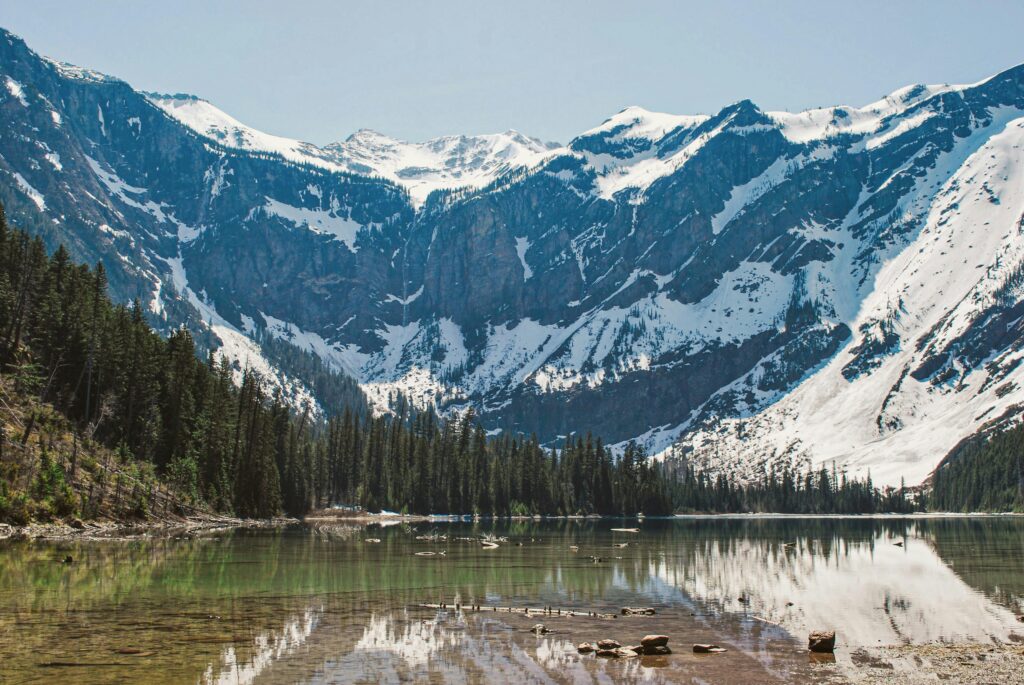
Montana’s national parks and North Dakota’s wide-open landscapes align well with these preferences.
The Role of Road Trips and Proximity
Cross-border tourism here is primarily drive-based, which offers advantages:
- Lower airfare costs
- Flexible schedules
- Easier travel with families
As fuel prices stabilize and road-trip culture remains strong, proximity could once again work in favor of U.S. border states.
Challenges Still Ahead
Despite optimism, obstacles remain:
- Currency uncertainty
- Competing Canadian destinations
- Lingering political perceptions
- Rising accommodation costs
Tourism recovery will likely be gradual rather than sudden.
A Two-Way Relationship
It’s important to note that cross-border tourism is reciprocal. Saskatchewan communities also benefit when:
- Americans attend festivals or sporting events
- Cross-border shopping flows north
- Cultural and family ties are maintained
Rebuilding tourism is about restoring relationships, not just visitor numbers.
Frequently Asked Questions (FAQs)
Why are North Dakota and Montana targeting Saskatchewan tourists?
Because they are nearby, loyal, and historically important to the region’s tourism economy.
Why haven’t Saskatchewan tourists fully returned yet?
A weak Canadian dollar, changing travel habits, and political perceptions have slowed the rebound.
Why is 2026 considered important?
Tourism officials hope economic conditions and traveler confidence will improve by then.
Are Saskatchewan tourists still welcome in the U.S.?
Yes. Tourism agencies emphasize that Canadians remain highly valued visitors.
What types of trips are being promoted?
Road trips, outdoor recreation, family vacations, and short getaways.
Is the exchange rate really that important?
Yes. Even small currency differences can significantly impact cross-border travel decisions.
Will tourism ever return to pre-pandemic levels?
Possibly, but it will likely depend on economic stability and rebuilding traveler confidence.
Conclusion
The hope that 2026 will bring Saskatchewan tourists back to North Dakota and Montana reflects both optimism and realism. Cross-border tourism is shaped by more than geography—it depends on economics, perception, and trust.
For border states, the goal is not just to recover lost visitors, but to re-establish a familiar rhythm of travel that once felt effortless. Whether that happens in 2026 will depend on how welcoming, affordable, and appealing the journey feels on both sides of the border.
Sources CBC

