
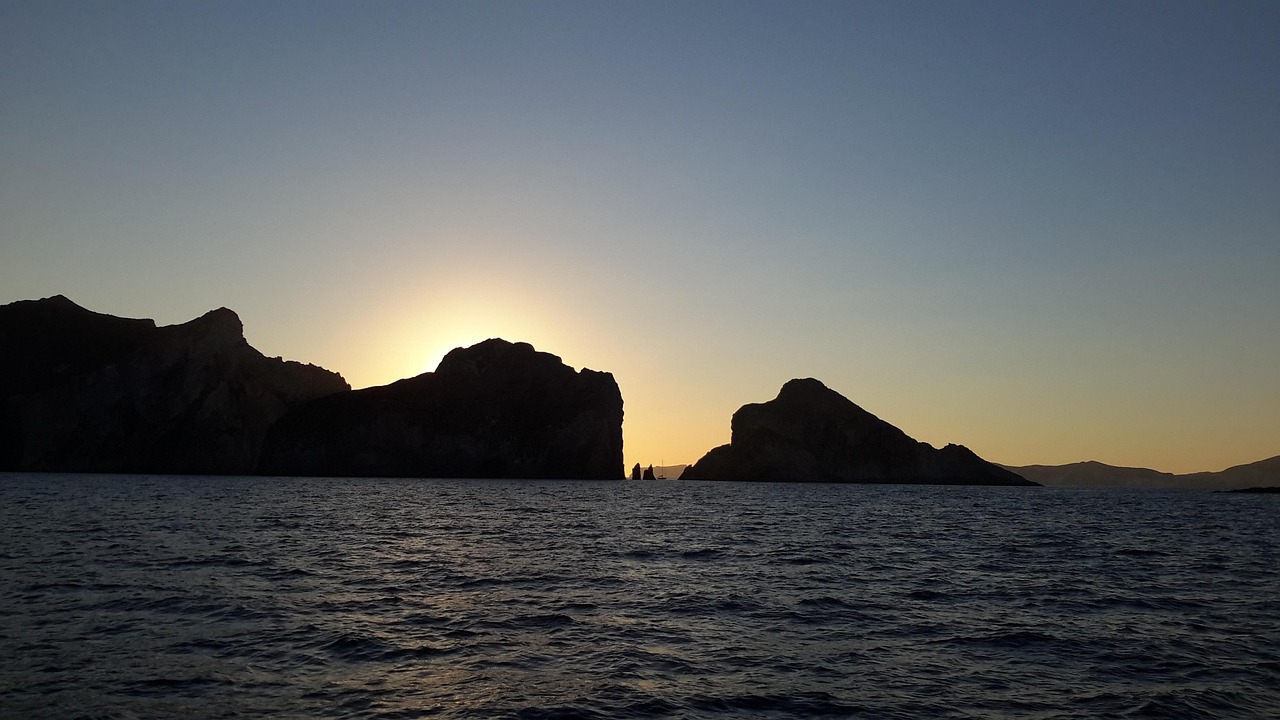
In a Mediterranean defined by crowded beaches, cruise ports, and selfie-packed viewpoints, Palmarola stands apart. This small Italian island—often described as one of the most beautiful in the world—has no roads, no permanent residents, no phone signal, and almost no tourists.
Located in the Tyrrhenian Sea off Italy’s west coast, Palmarola is not just a travel destination—it is a living reminder of what the Mediterranean once looked like before mass tourism reshaped it.
Where Is Palmarola—and Why Is It So Different?
Palmarola is part of the Pontine Islands, a small archipelago between Rome and Naples. Unlike its better-known neighbor Ponza, Palmarola remains:
- Largely undeveloped
- Uninhabited year-round
- Accessible only by boat
Its isolation is not accidental—it is the result of geography, history, and deliberate restraint.
An Island Sculpted by Nature
Dramatic Landscapes
Palmarola is defined by:
- Volcanic rock formations
- Sea caves and arches
- Vertical cliffs plunging into turquoise water
There are no beaches in the conventional sense—only rocky coves and natural terraces shaped by erosion and time.
Rich Marine Ecosystems
The surrounding waters host:
- Pristine seagrass meadows
- Diverse fish populations
- Exceptional water clarity
The absence of large-scale tourism has allowed marine life to thrive largely undisturbed.
A Brief Human History
Ancient Roots
Palmarola has been known since Roman times, when it served as:
- A temporary refuge
- A fishing outpost
- A seasonal shelter
Archaeological traces suggest intermittent use rather than permanent settlement.
Why No One Lives There Today
Unlike other Mediterranean islands, Palmarola never developed:
- Freshwater infrastructure
- Agricultural terraces
- Safe harbors for large boats
Its steep terrain and lack of resources made permanent habitation impractical.
How (and If) You Can Visit Palmarola
Access Is Limited
Palmarola can only be reached by:
- Private boats
- Small guided excursions from Ponza
There are no ferries, docks, or public transport systems.
No Amenities—By Design
Visitors should expect:
- No hotels or shops
- No restaurants
- No electricity or mobile coverage
Any visit requires full self-sufficiency and preparation.
Why Palmarola Has Almost No Tourists
Intentional Isolation
Palmarola’s lack of infrastructure acts as a natural filter:
- Casual tourists are deterred
- Mass tourism is impossible
- Visitor numbers remain low
This isolation preserves the island’s fragile environment.
Legal and Environmental Protections
Much of Palmarola is protected under Italian and EU conservation laws, limiting development and regulating access.
A Counterpoint to Mediterranean Overtourism
The Problem Elsewhere
Across southern Europe, many islands face:
- Overcrowding
- Environmental degradation
- Rising housing costs
- Cultural erosion
Palmarola offers a striking contrast—a place that chose not to grow.
What Palmarola Represents
Palmarola challenges assumptions that:
- Tourism must equal development
- Accessibility must be universal
- Growth is always positive
It stands as an example of preservation through limitation.
Is Palmarola the Future of Travel—or the Exception?
Appeal to Modern Travelers
As travelers increasingly seek:
- Solitude
- Authentic nature
- Digital detox experiences
Palmarola’s appeal grows—even as access remains restricted.
The Sustainability Question
Opening Palmarola to more visitors could:
- Damage ecosystems
- Require infrastructure
- Alter its character permanently
For now, protection outweighs potential profit.
Practical and Ethical Considerations
Visiting Palmarola responsibly means:
- Respecting strict access limits
- Leaving no trace
- Avoiding unauthorized landings
- Supporting conservation over convenience
Not every beautiful place is meant to be widely shared.
Frequently Asked Questions (FAQs)
Is Palmarola completely uninhabited?
Yes. There are no permanent residents, though fishermen and visitors occasionally stay briefly.
Can tourists visit Palmarola freely?
No. Access is limited and usually requires a private boat or guided excursion from Ponza.
Are there hotels or restaurants on the island?
None. Palmarola has no tourist facilities or infrastructure.
Why is there no phone signal or electricity?
There is no grid or telecommunications infrastructure due to environmental protection and isolation.
Is Palmarola protected by law?
Yes. Much of the island and surrounding waters are environmentally protected.
When is the best time to see Palmarola?
Late spring to early autumn, when sea conditions allow safe boat access.
Will Palmarola ever be developed?
Unlikely. Strong environmental protections and logistical challenges make development improbable.
Conclusion
Palmarola is not a destination for convenience seekers or casual travelers. It is a place defined by absence—of roads, signals, crowds, and commerce. In that absence lies its power.
In an era when the world’s most beautiful places are often loved to death, Palmarola stands as a reminder that sometimes the greatest luxury is leaving a place exactly as it is.
Sources CNN

