

Global tourism is not just recovering—it is reshaping itself. According to a new report from the United Nations World Tourism Organization (UNWTO), several destinations are experiencing exceptionally rapid growth, with one European country emerging as a standout performer.
Rather than simply returning to pre-pandemic patterns, tourism growth is increasingly flowing toward new, rebranded, or rediscovered destinations, driven by changing traveler priorities, geopolitical shifts, affordability, and sustainability considerations.
What the UN Tourism Report Reveals
Growth Beyond Traditional Hotspots
The UN report highlights destinations that are:
- Recording double-digit increases in international arrivals
- Attracting new source markets
- Benefiting from improved connectivity and policy reforms
These are not always the world’s most famous tourist magnets—but places capitalizing on opportunity and change.
Europe’s Surprise Standout
One European destination has emerged as a particularly fast-growing market, reflecting:
- Strong post-pandemic recovery
- Competitive pricing compared with Western Europe
- Increased interest in cultural and city-break travel
This signals a broader shift within Europe toward less-saturated destinations.
Why These Destinations Are Growing So Fast
Affordability and Value
With inflation affecting travel budgets, tourists are:
- Seeking destinations that offer more for less
- Avoiding traditionally expensive cities
- Prioritizing value over prestige
Emerging destinations often provide high-quality experiences at lower costs.
Improved Air Connectivity
Growth is closely linked to:
- New direct flight routes
- Low-cost carrier expansion
- Regional airport development
Ease of access can rapidly transform a destination’s tourism prospects.
Changing Traveler Preferences
Modern travelers increasingly favor:
- Cultural authenticity
- Food and local experiences
- Walkable cities and nature access
- Destinations that feel “discovered” rather than overcrowded
These preferences align well with rising destinations.
Beyond Europe: Global Growth Patterns
Asia and the Middle East
Several fast-growing destinations benefit from:
- Government-led tourism strategies
- Heavy investment in infrastructure
- Visa simplification and digital entry systems
These regions are positioning tourism as a pillar of economic diversification.
Africa and Latin America
Growth here reflects:
- Adventure and nature-based tourism
- Diaspora travel
- Improved safety perceptions and marketing
However, infrastructure and sustainability remain key challenges.
The Sustainability Question
Growth Brings Pressure
Rapid tourism growth can strain:
- Housing markets
- Natural resources
- Local infrastructure
- Community well-being
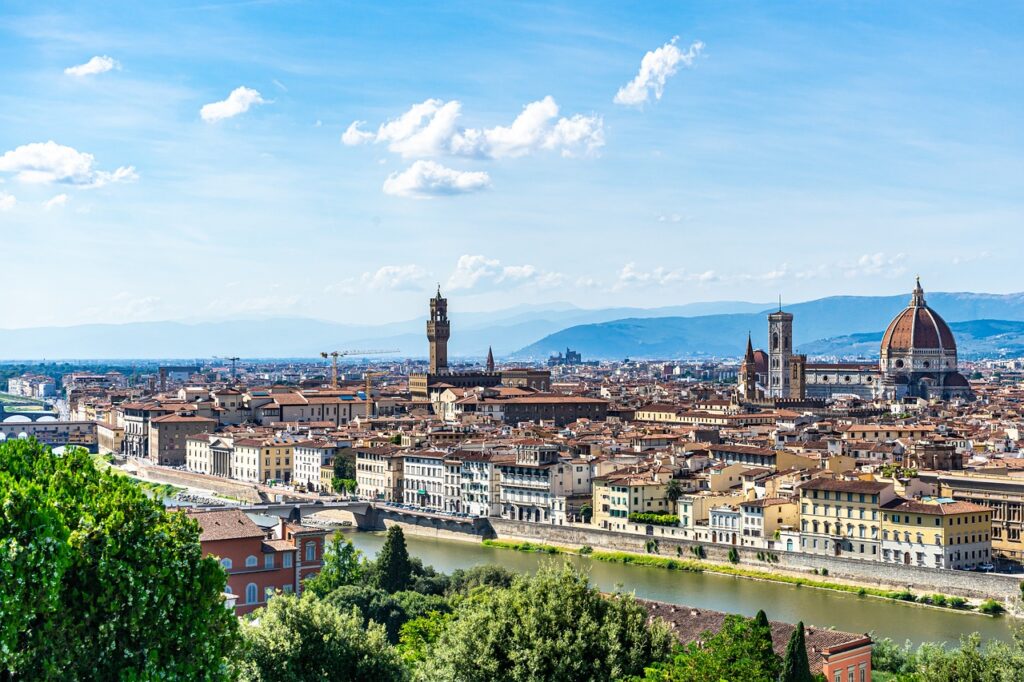
Many destinations are learning from the overtourism struggles of cities like Venice and Barcelona.
Learning From Past Mistakes
Some fast-growing destinations are proactively:
- Limiting short-term rentals
- Promoting off-season travel
- Investing in public transport
- Involving local communities in tourism planning
Growth is being framed as something to manage—not maximize at all costs.
Economic Impact on Local Communities
Opportunities
Tourism growth can:
- Create jobs
- Revitalize historic centers
- Support small businesses
- Attract foreign investment
For emerging destinations, tourism is often a key development engine.
Risks
Without safeguards, rapid growth can:
- Push out residents
- Increase inequality
- Reduce local access to services
The speed of growth matters as much as the scale.
What This Means for Travelers
More Choice—and Responsibility
Travelers now have:
- More destination options
- Fewer reasons to crowd the same places
But with choice comes responsibility:
- Respect local communities
- Avoid peak pressure periods
- Support local businesses
A Better Travel Experience
Less-crowded destinations often offer:
- More meaningful interactions
- Lower stress
- Better value
For many travelers, these places represent the future of enjoyable travel.
What’s Driving Europe’s Fast-Growing Destination
The European standout benefits from:
- Rich cultural heritage
- Vibrant city life
- Competitive costs
- Strong rail and flight connections
It appeals to both short-break travelers and longer cultural tourists.
What Comes Next
The UN report suggests that:
- Tourism growth will continue shifting away from saturated destinations
- Destinations that balance growth and livability will outperform others
- Sustainability and governance will define long-term success
Tourism is becoming more strategic—and more selective.
Frequently Asked Questions (FAQs)
What defines a “fastest-growing” tourism destination?
High year-on-year increases in international arrivals, spending, or tourism revenue.
Why are lesser-known destinations growing faster?
They offer better value, fewer crowds, and experiences aligned with modern travel preferences.
Is rapid tourism growth always good?
No. Without planning, it can harm communities and environments.
Which regions are seeing the strongest growth?
Parts of Europe, Asia, the Middle East, and emerging markets in Africa and Latin America.
How can travelers support sustainable growth?
By traveling off-season, respecting local norms, and supporting local businesses.
Will traditional tourist hotspots decline?
Not necessarily—but growth is likely to slow compared with emerging destinations.
What role do governments play in tourism growth?
Policies on visas, infrastructure, sustainability, and housing are critical.
Conclusion
The UN’s latest tourism report shows that the future of travel is not just about recovery—it’s about redistribution. As travelers seek value, authenticity, and breathing room, fast-growing destinations are stepping into the spotlight, reshaping global tourism flows.
The challenge ahead is ensuring that growth enhances places rather than overwhelms them. If managed wisely, today’s rising destinations could become tomorrow’s most livable—and loved—places to visit.
Sources Euro News


your article is amazing, i enjoy reading it, i want you to add me as your followers, how often do you post ? my blog is the top growing directory platform in germany, lokando24.de you can check it out. Thank you