
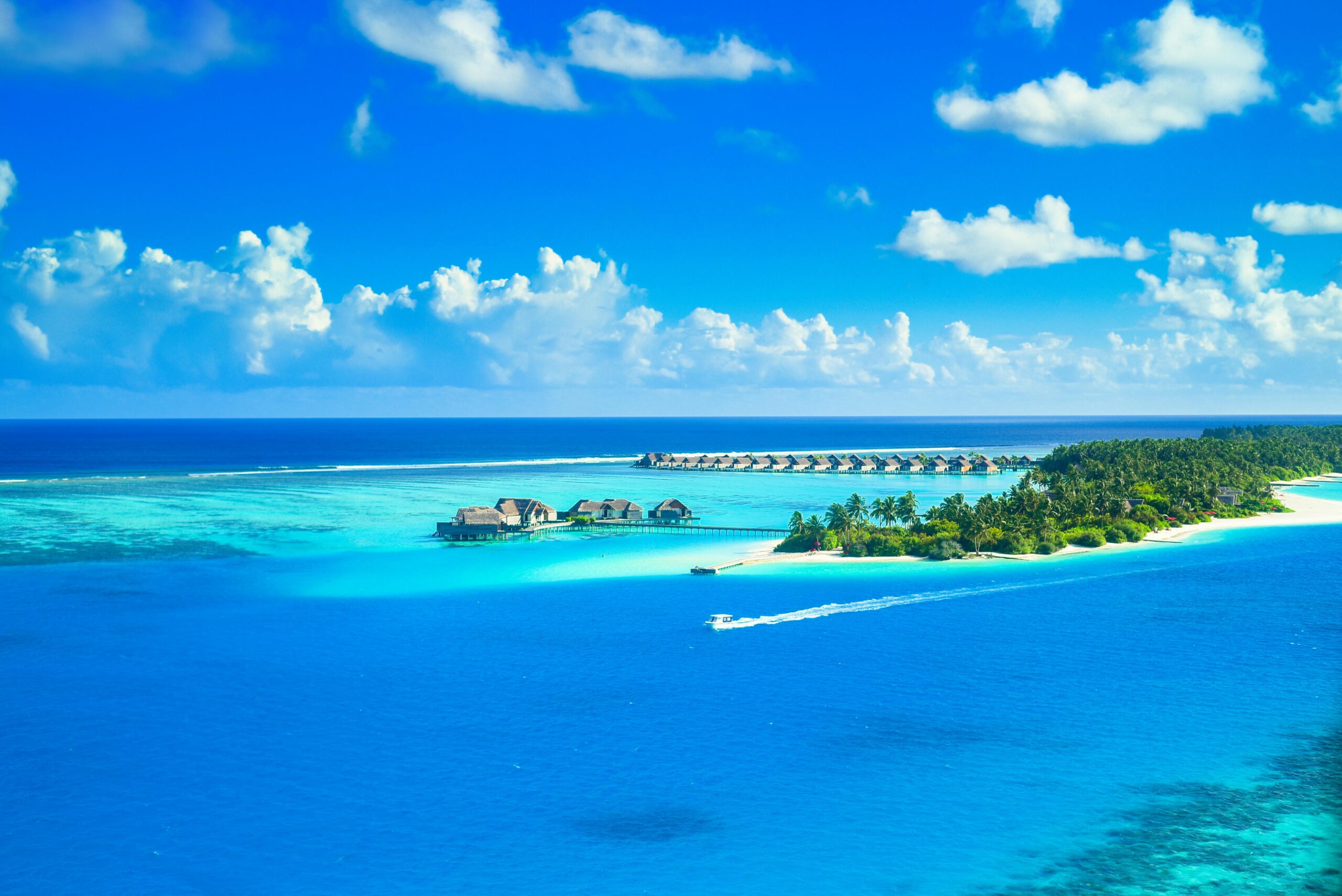
In an era when Instagram geotags can transform hidden beaches into overcrowded hotspots overnight, it seems almost miraculous that some islands remain largely untouched by mass tourism. While destinations like Bali, Santorini, and the Maldives grapple with overtourism, a quieter group of islands has resisted being “swallowed whole” by the global travel machine.
These islands are not accidents of obscurity. Their relative preservation is often the result of geography, policy, cultural choices, and deliberate restraint—and they may hold critical lessons for the future of sustainable travel.
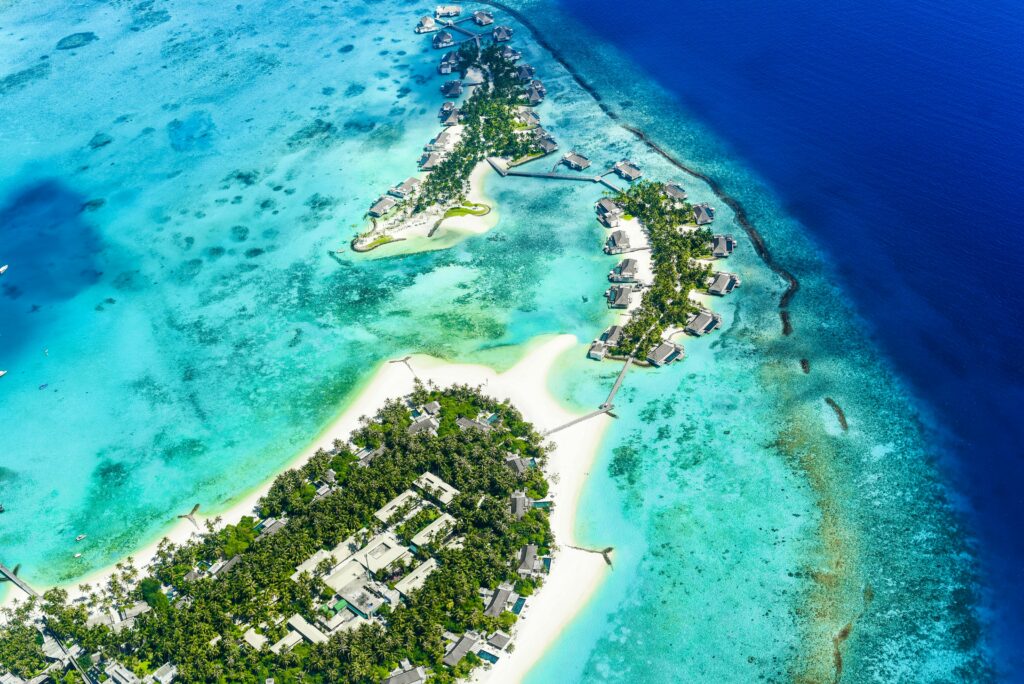
What Makes an Island “Unspoiled”?
More Than Just Fewer Tourists
An island that has avoided mass tourism typically features:
- Limited development
- Intact ecosystems
- Strong local control over tourism
- Cultural continuity rather than commodification
Being “unspoiled” is as much about governance as geography.
Isolation Still Matters
Many lesser-visited islands remain so because they are:
- Hard to reach
- Accessible only by boat or limited flights
- Dependent on weather conditions
Accessibility often determines tourism scale.
How Some Islands Have Avoided the Tourism Boom
Strict Development Controls
Some island governments have:
- Limited hotel construction
- Banned large resorts
- Enforced height, density, or zoning laws
These measures prevent the rapid transformation seen elsewhere.
Low-Volume, High-Value Tourism Models
Instead of chasing visitor numbers, many islands focus on:
- Small guesthouses
- Eco-lodges
- Guided, community-based experiences
This approach prioritizes revenue over volume.
Cultural Resistance to Mass Tourism
In some places, local communities have:
- Actively opposed large-scale tourism projects
- Chosen traditional livelihoods over rapid development
- Emphasized cultural preservation over global branding
Tourism grows only when it aligns with community values.
Environmental Fragility as a Natural Brake
Ecosystems That Can’t Handle Crowds
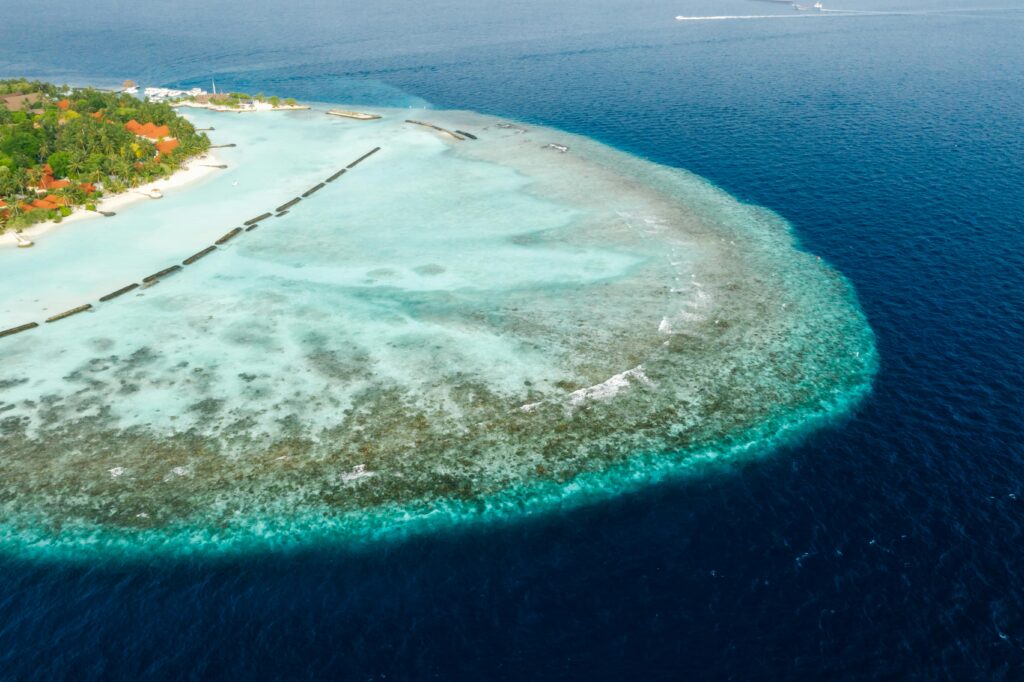
Coral reefs, freshwater systems, and wildlife habitats can be easily damaged. On many islands:
- Carrying capacity is limited
- Overuse causes irreversible harm
Conservation concerns often justify strict visitor limits.
Climate Change Adds Urgency
Sea-level rise, storms, and warming oceans make:
- Overdevelopment riskier
- Infrastructure investment more fragile
Some islands prefer restraint over vulnerability.
Examples of Islands That Have Resisted Overtourism
While names vary, common traits among such islands include:
- No cruise ship ports
- Few or no international hotels
- Limited nightlife and retail
- Emphasis on nature, solitude, and local culture
Their appeal lies in what they lack, not what they offer.
The Trade-Offs of Staying Small
Economic Constraints
Avoiding mass tourism also means:
- Fewer jobs
- Limited healthcare and education funding
- Less infrastructure investment
Preservation comes with opportunity costs.
Youth Migration
On some islands, younger residents leave in search of:
- Employment
- Education
- Urban lifestyles
Tourism restraint must be balanced with local opportunity.
Tourism Pressure Is Still Growing
Social Media and “Last Chance” Travel
Ironically, being labeled “unspoiled” can:
- Increase global attention
- Attract travelers seeking authenticity
- Accelerate demand
Visibility is both a blessing and a threat.
Luxury Tourism as a New Risk
Even low-volume tourism can be damaging if:
- Luxury resorts privatize beaches
- Prices exclude locals
- Environmental footprints remain large
Not all “small” tourism is sustainable.
What These Islands Teach the Travel Industry
Tourism Is a Choice, Not a Destiny
These islands demonstrate that:
- Growth can be guided
- Limits can be enforced
- Community voices matter
Mass tourism is not inevitable.
Success Should Be Redefined
Instead of measuring success by:
- Visitor numbers
- Hotel capacity
Destinations can prioritize:
- Resident well-being
- Environmental health
- Cultural continuity
What Travelers Can Do
Travelers who visit these islands responsibly can:
- Stay longer, not just pass through
- Support locally owned businesses
- Respect rules and customs
- Avoid peak seasons
Responsible behavior helps keep places unspoiled.
The Future of Island Tourism
As climate change, overtourism, and global travel demand collide, islands face a choice:
- Follow the path of mass tourism
- Or protect what makes them unique
The decisions made now will shape these destinations for generations.
Frequently Asked Questions (FAQs)
Why haven’t these islands become tourist hotspots?
Because of isolation, strict regulations, environmental limits, and community resistance.
Are these islands open to visitors at all?
Yes, but often in limited numbers or under specific conditions.
Is tourism always bad for islands?
No. Carefully managed tourism can support conservation and local economies.
Can unspoiled islands stay that way forever?
Only with continued regulation, community involvement, and responsible travel.
Why do some islands reject cruise tourism?
Cruise ships bring large crowds with limited local economic benefit and high environmental impact.
Is visiting these islands ethical?
Yes—if travelers respect limits, support locals, and minimize environmental impact.
What’s the biggest threat to these islands now?
Overexposure through media, climate change, and pressure to develop economically.
Conclusion
The islands that tourism hasn’t swallowed whole are not accidents of luck—they are examples of deliberate restraint in a world addicted to growth. Their continued survival depends on choices made by governments, communities, and travelers alike.
In an age of overtourism and environmental strain, these islands remind us that the most precious destinations are often those that choose not to be everything to everyone.
Sources CNN

