
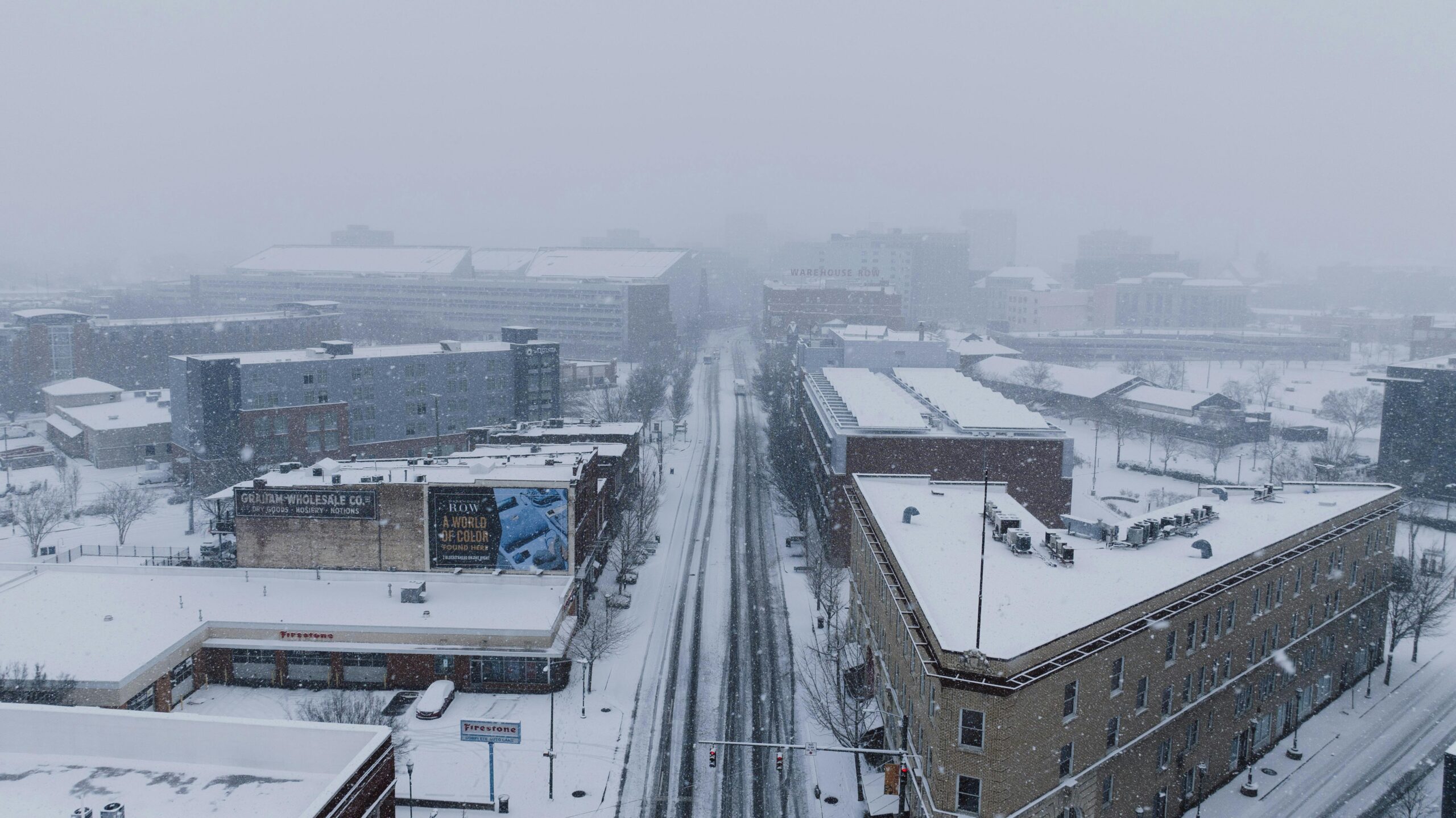
A major winter storm system is sweeping across a vast portion of the United States, bringing heavy snow, dangerous ice, bitter cold, and widespread disruption to travel, power infrastructure, and daily life. Stretching from the South and Midwest into the Northeast, the storm is shaping up to be one of the most impactful winter weather events of the season.
Rather than being a brief or localized system, this storm reflects a broader winter pattern marked by repeated cold outbreaks and powerful weather systems during the 2025–26 season.
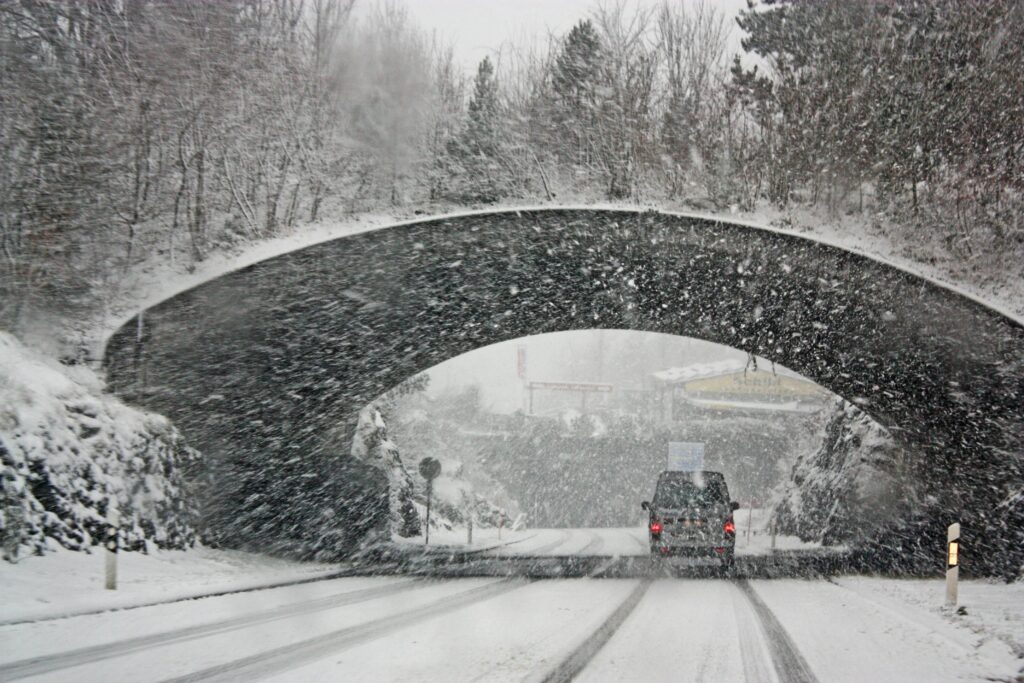
What the Storm Is Doing Now
❄️ Widespread Snow and Ice
The storm is producing a dangerous mix of precipitation, including:
- Heavy snowfall across parts of the Midwest, Ohio Valley, and Northeast
- Freezing rain and ice accumulation in the Southeast, Mid-Atlantic, and lower Mississippi Valley
- Sleet and mixed precipitation in transition zones
Ice buildup is especially hazardous, increasing the likelihood of downed trees, snapped power lines, and long-lasting outages.
🌬️ Arctic Cold Behind the System
As the storm moves east, it is pulling frigid Arctic air southward, sending temperatures well below seasonal averages. Some regions are experiencing:
- Subzero temperatures
- Extremely low wind chills
- Increased risk of frostbite and hypothermia
The combination of snow, ice, and extreme cold creates a compound threat that complicates recovery efforts.
Major Impacts So Far
⚡ Widespread Power Outages
Ice accumulation has weighed down power lines and tree limbs, leaving hundreds of thousands to more than a million customers without electricity in affected regions. Restoration efforts are slowed by ongoing weather conditions and unsafe access.
✈️ Travel Disruptions
The storm has triggered:
- Thousands of flight cancellations and delays
- Airport closures or limited operations
- Dangerous interstate travel due to icy roadways
Airlines and transportation agencies are urging travelers to postpone nonessential trips.
🏫 School and Business Closures
School districts across multiple states have canceled classes, while many businesses have reduced hours or closed entirely due to unsafe travel conditions and power outages.
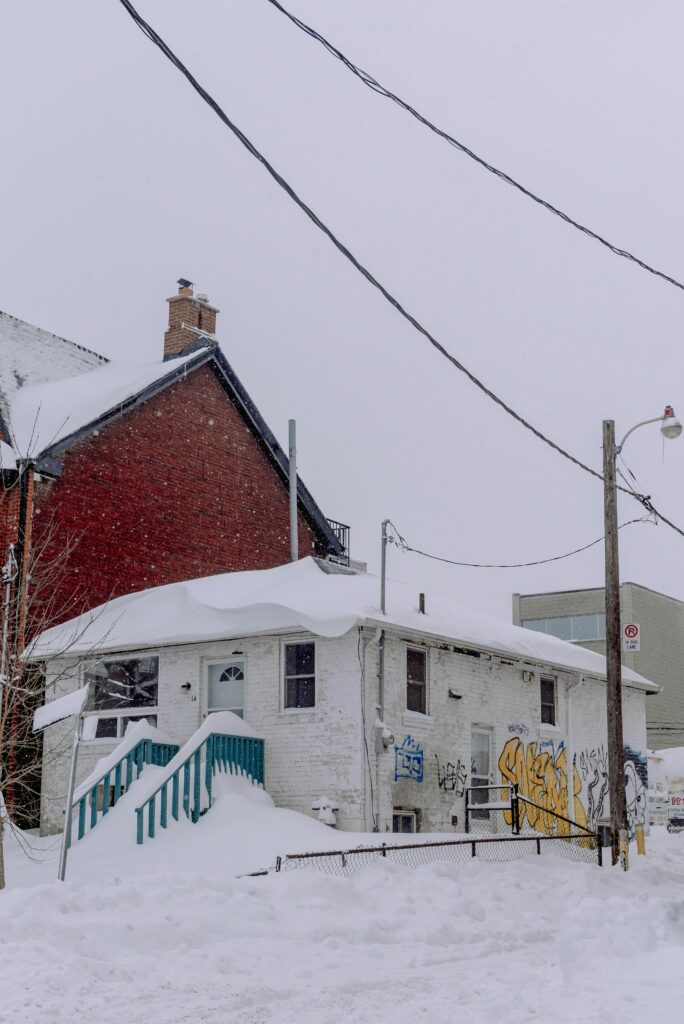
🧑⚕️ Public Health and Safety Risks
Officials are warning residents about:
- Hypothermia and frostbite
- Heart strain from snow shoveling
- Carbon monoxide poisoning from improper generator use
- Increased accident risk from icy surfaces
Communities are being encouraged to check on elderly neighbors and those without reliable heat.
Where the Storm Is Headed
The storm continues to move northeast, with:
- Additional heavy snowfall expected in the Northeast
- Continued icing risks along the southern edge of the system
- Lingering cold temperatures behind the storm
Some regions could see snow totals exceeding a foot, while others face prolonged icing that may take days to fully melt.
Why This Storm Is So Severe
Meteorologists point to several factors intensifying this event:
- A large storm track stretching more than 2,000 miles
- Warm, moisture-rich air colliding with Arctic cold
- Slow storm movement causing prolonged precipitation
- A broader winter pattern favoring frequent cold air intrusions
This combination increases both snowfall totals and the risk of significant ice accumulation.
Winter 2025–26: A Volatile Season
This storm fits into a larger winter trend marked by:
- More frequent temperature swings
- Stronger cold-air outbreaks
- Increased likelihood of mixed-precipitation events
Such patterns raise challenges for infrastructure, emergency response, and travel planning.
Frequently Asked Questions (FAQs)
Which areas are most affected by this storm?
Regions from the South and Midwest through the Northeast are experiencing snow, ice, and extreme cold.
How much snow could fall?
Some areas may receive more than a foot of snow, depending on location and storm intensity.
Why is ice such a big concern?
Ice accumulation can knock out power, damage infrastructure, and create extremely dangerous travel conditions.
How long will conditions remain hazardous?
Snow and ice impacts may last several days, especially where cold temperatures delay melting and power restoration.
What should people do to stay safe?
Avoid unnecessary travel, use generators safely, dress for extreme cold, and check on vulnerable individuals.
Is this type of storm becoming more common?
Large, complex winter storms are becoming more disruptive due to changing weather patterns and infrastructure strain.
Conclusion
This powerful winter storm is a reminder of how disruptive winter weather can be when snow, ice, and Arctic cold collide over a wide region. With travel crippled, power systems stressed, and safety risks elevated, preparedness and caution remain critical.
As winter continues, communities may face additional storms, making resilience, communication, and planning more important than ever.
Sources CNN

