
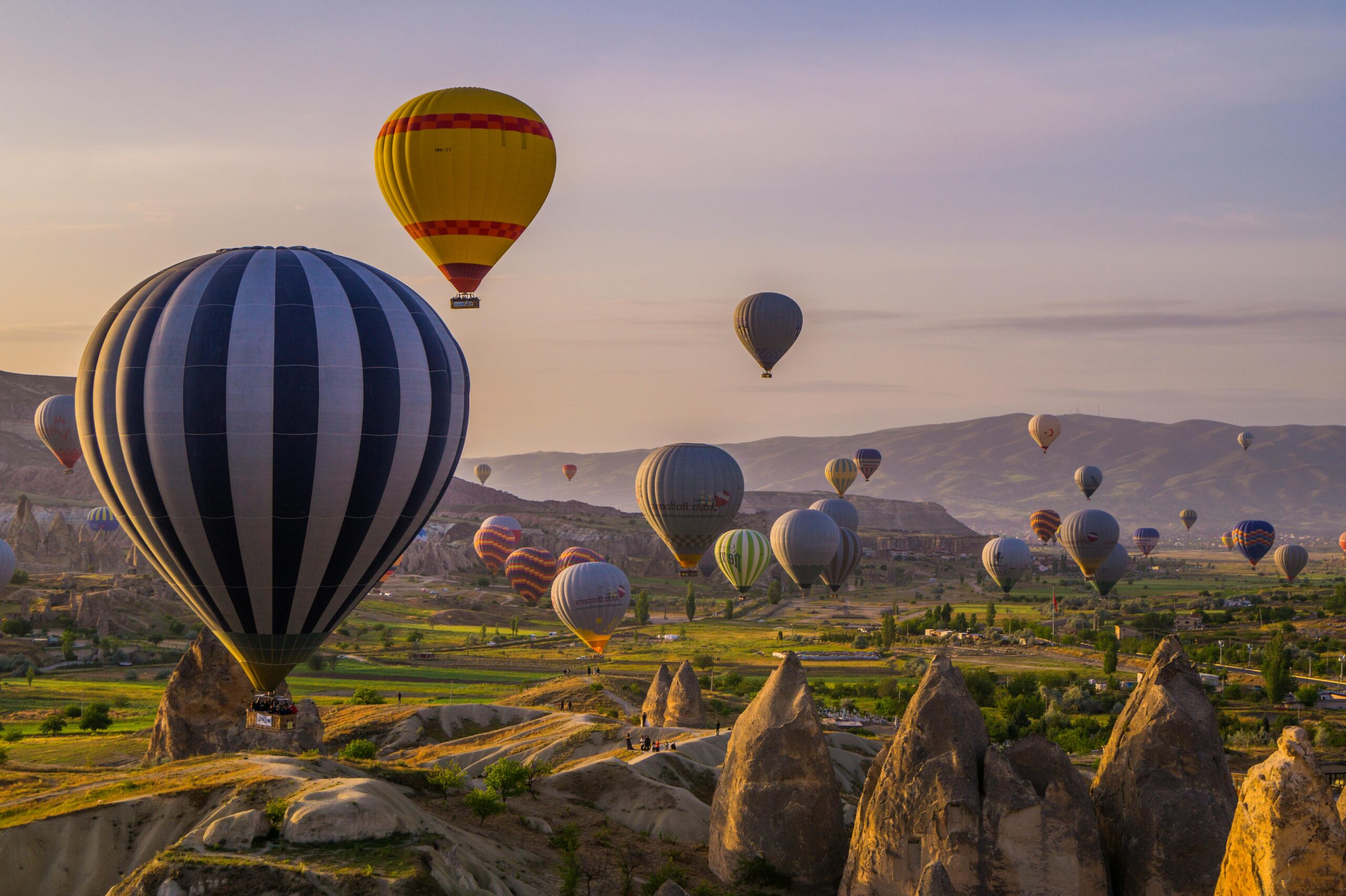
In a symbolic and strategic move, a major Middle Eastern city has been officially named a Tourism Capital for 2026, cementing its growing influence on the global travel map. The designation reflects not just rising visitor numbers, but a broader transformation driven by cultural investment, infrastructure development, and a desire to reshape how the world perceives the region.
For the Middle East, where tourism has historically been overshadowed by geopolitics and oil economics, this recognition marks a turning point.
What Does “Tourism Capital” Actually Mean?
More Than a Marketing Title
Being named a Tourism Capital is not merely honorary. The designation typically recognizes:
- Cultural heritage preservation
- Investment in tourism infrastructure
- Commitment to sustainable development
- Accessibility and safety for visitors
It also signals international confidence in the city’s long-term tourism strategy.
A Platform for Global Visibility
The title brings:
- Increased international promotion
- Hosting of global tourism events
- Higher media exposure
- Greater appeal for airlines, investors, and tour operators
For emerging destinations, the visibility can be transformative.
Why This City Was Chosen
Cultural Richness and Heritage
The city stands out for its:
- Deep historical roots spanning centuries
- Architectural landmarks blending ancient and modern design
- Living traditions, arts, cuisine, and music
Rather than building tourism from scratch, it is amplifying what already exists.
Strategic Investment in Tourism
Over the past decade, authorities have invested heavily in:
- Museums and cultural districts
- Public spaces and waterfronts
- Transport networks and airports
- Hospitality across multiple price ranges
This infrastructure allows the city to host both high-end and mass-market travelers without sacrificing identity.
Tourism Beyond Luxury: A Broader Vision
Diversifying the Visitor Experience
Unlike earlier Middle Eastern tourism models focused primarily on luxury, the city is promoting:
- Cultural tourism
- Heritage trails
- Culinary experiences
- Arts festivals and live performance
This diversification attracts a wider, more sustainable visitor base.
Accessibility and Openness
Easier visa processes, expanded flight routes, and multilingual services have made the city more approachable for international visitors who may previously have overlooked the region.
Economic Impact and Local Benefits
Tourism as an Economic Engine
The designation is expected to:
- Create jobs across hospitality, transport, and culture
- Support small businesses and artisans
- Encourage entrepreneurship in creative industries
Tourism is increasingly seen as a pillar of economic diversification.
Balancing Growth and Livability
City planners emphasize that tourism growth should:
- Respect local communities
- Avoid overtourism
- Preserve cultural authenticity
The goal is integration, not displacement.
Sustainability and Climate Considerations
Adapting to Environmental Challenges
In a region facing extreme heat and water scarcity, tourism development includes:
- Energy-efficient buildings
- Climate-adapted urban design
- Night-time and seasonal tourism programming
Sustainability is not optional—it is essential.
Protecting Heritage Sites
Increased visitor numbers raise concerns about preservation. Authorities are implementing:
- Visitor management systems
- Restoration programs
- Education initiatives for responsible tourism
Changing Global Perceptions of the Middle East
From Transit Hub to Cultural Destination
For many travelers, the Middle East has long been seen as a stopover rather than a destination. This recognition challenges that narrative by highlighting:
- Cultural depth
- Creative innovation
- Safe and welcoming environments
Soft Power Through Tourism
Tourism is also a diplomatic tool, helping:
- Build cultural understanding
- Counter stereotypes
- Strengthen international ties
What Travelers Can Expect in 2026
Visitors to the city during its Tourism Capital year can expect:
- Expanded cultural programming and festivals
- New museum openings and exhibitions
- Improved public transport and signage
- Greater emphasis on storytelling and local voices
2026 is positioned as a showcase year—but the impact will extend far beyond it.
Potential Challenges Ahead
Despite optimism, challenges remain:
- Managing rapid growth
- Avoiding commercialization of culture
- Ensuring benefits reach local residents
- Navigating regional political uncertainties
How these challenges are handled will define the legacy of the title.
Frequently Asked Questions (FAQs)
What does being named a Tourism Capital mean?
It recognizes a city’s achievements in tourism development, culture, accessibility, and sustainability.
Will this make the city more expensive for visitors?
Prices may rise during peak periods, but the city is expanding mid-range and budget options.
Is the city safe for tourists?
Yes. Safety and visitor experience were key factors in the designation.
What type of tourism is being promoted?
Cultural, heritage, culinary, arts, and experience-driven tourism—not just luxury travel.
Will locals benefit from the tourism boom?
That is the stated goal, through job creation and support for local businesses.
Is this part of a larger regional trend?
Yes. Many Middle Eastern cities are investing in tourism as a long-term economic strategy.
Is 2026 the best time to visit?
2026 will offer special events and enhanced infrastructure, but growth is planned sustainably beyond that year.
Conclusion
Being named a Tourism Capital for 2026 places this Middle Eastern city at a pivotal moment in its evolution. The title reflects years of cultural investment and signals a future where the region is recognized not just for its resources or geopolitics, but for its heritage, creativity, and hospitality.
If managed thoughtfully, the designation could redefine how the world travels to—and understands—the Middle East for decades to come.
Sources Euro News

