
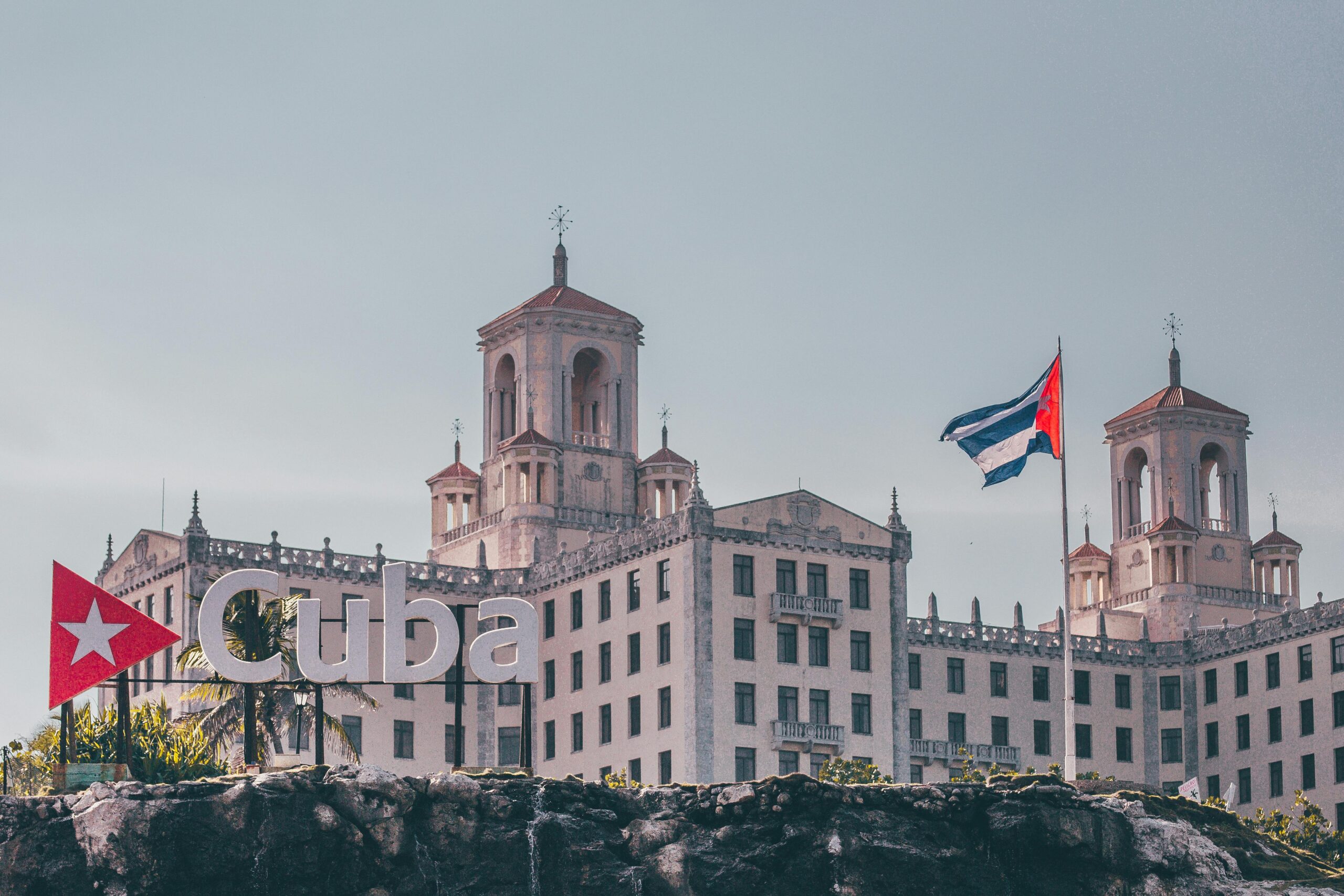
Cuba—once one of the Caribbean’s most culturally rich and affordable travel destinations—is facing a severe and prolonged collapse in its tourism sector. Far from a simple post-pandemic slowdown, the decline reflects a convergence of political tensions with the United States, economic mismanagement, worsening energy shortages, reduced support from Venezuela, and fierce competition from neighboring destinations.
Tourism has long been a critical pillar of Cuba’s economy. Its current unraveling is having profound consequences for the country’s finances, workforce, and social stability.
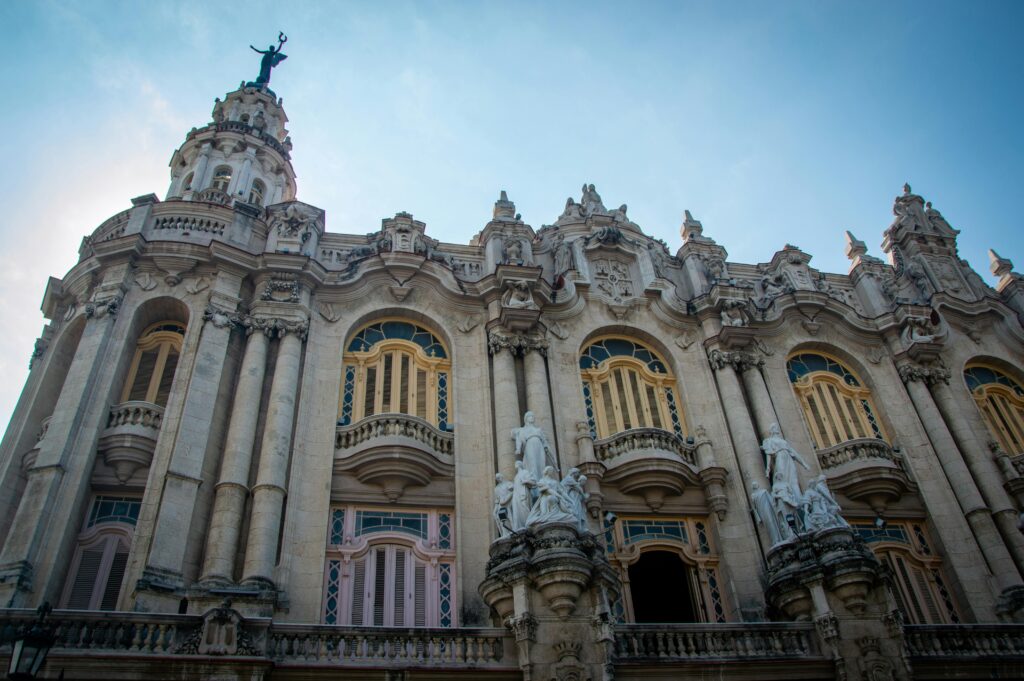
A Dramatic Fall in Visitor Numbers
Before recent crises, Cuba welcomed millions of international visitors each year, generating vital foreign currency and supporting a wide network of hotels, restaurants, transport providers, and private entrepreneurs.
Today, the picture is stark:
- International arrivals have dropped sharply compared with pre-pandemic and pre-sanctions levels
- Popular tourist hubs such as Havana, Varadero, and Trinidad report unusually empty streets and underused hotels
- Visitor numbers remain far below regional competitors despite global tourism recovery
This is one of the steepest tourism declines Cuba has experienced in decades.
U.S.–Cuba Tensions and Travel Restrictions
Escalating political tensions between Havana and Washington have had a direct impact on tourism:
- Tighter U.S. sanctions and restrictions on travel have reduced American visitor numbers, once a growing segment
- Cruise ship bans and financial restrictions discourage international tour operators
- Diplomatic uncertainty undermines investor confidence in Cuban tourism infrastructure
Even travelers from non-U.S. markets are affected indirectly, as political isolation raises concerns about stability and service reliability.
Energy Crisis and Infrastructure Breakdown
One of the most visible deterrents for visitors has been persistent power outages and fuel shortages:
- Frequent blackouts disrupt hotels, transportation, and restaurants
- Aging power plants and fuel shortages have made electricity unreliable
- Reduced oil supplies from Venezuela and inconsistent replacement shipments have deepened the crisis
For tourists, unreliable electricity means canceled reservations, reduced services, and poor travel experiences—fueling negative word-of-mouth and declining demand.
Economic Fallout and a Vicious Cycle
Tourism’s collapse worsens Cuba’s broader economic crisis:
- Loss of tourism revenue reduces access to foreign currency
- Infrastructure investment stalls, further degrading services
- Food, fuel, and medical shortages intensify
- Skilled workers leave the tourism sector or emigrate entirely
As conditions deteriorate, fewer visitors come—creating a self-reinforcing downward spiral.
Rising Competition From Other Caribbean Destinations
While Cuba struggles, many neighboring destinations have rebounded strongly:
- Countries such as the Dominican Republic, Jamaica, and Puerto Rico offer more reliable infrastructure
- Expanded air connectivity and modern resorts attract travelers seeking predictability
- Flexible travel policies and strong marketing have redirected demand
Travelers who once chose Cuba for its affordability and culture are now opting for destinations with fewer uncertainties.
Impact on Local Communities
The tourism downturn has a deeply human cost:
- Taxi drivers, tour guides, and guesthouse owners report dramatic income losses
- Restaurants and small businesses dependent on foreign visitors are closing
- Young workers increasingly leave the country in search of opportunity
Entire neighborhoods that once thrived on tourism now face economic stagnation.
Can Cuba’s Tourism Sector Recover?
Recovery will not be quick or simple. Analysts suggest it would require:
- Stabilizing energy supplies and modernizing infrastructure
- Easing geopolitical tensions and improving international relations
- Reforming tourism policies to attract investment and improve service quality
- Restoring confidence among travelers and tour operators
Cuba’s cultural heritage, historic cities, music, and natural beauty remain powerful assets—but without systemic change, they may not be enough.
Frequently Asked Questions (FAQs)
Why has tourism dropped so sharply in Cuba?
A combination of political restrictions, energy shortages, infrastructure decay, and stronger competition from other Caribbean destinations.
How severe is the tourism decline?
Visitor numbers are dramatically lower than pre-pandemic levels, representing one of the worst downturns in modern Cuban tourism history.
Is U.S. policy the main cause?
It is a major factor, but internal economic issues and power shortages are equally damaging.
Are tourists still visiting Cuba?
Yes, but numbers from markets like Russia and Latin America have not been enough to offset losses from Europe and North America.
How are local workers affected?
Many tourism workers face reduced income, unemployment, or have left the sector altogether.
Could tourism rebound in the future?
Yes—but only if energy reliability improves, political tensions ease, and infrastructure investment resumes.
Is Cuba still attractive as a destination?
Culturally and historically, yes. Practically and logistically, many travelers now see it as a higher-risk choice.
Conclusion
Cuba’s tourism collapse is a reflection of deeper political and economic challenges rather than a temporary travel slump. The sector’s decline has rippled through the entire economy, affecting livelihoods and accelerating emigration.
Without meaningful reform and improved international engagement, Cuba risks losing not only tourists—but an essential pathway to economic recovery and social stability.
Sources abc News

