
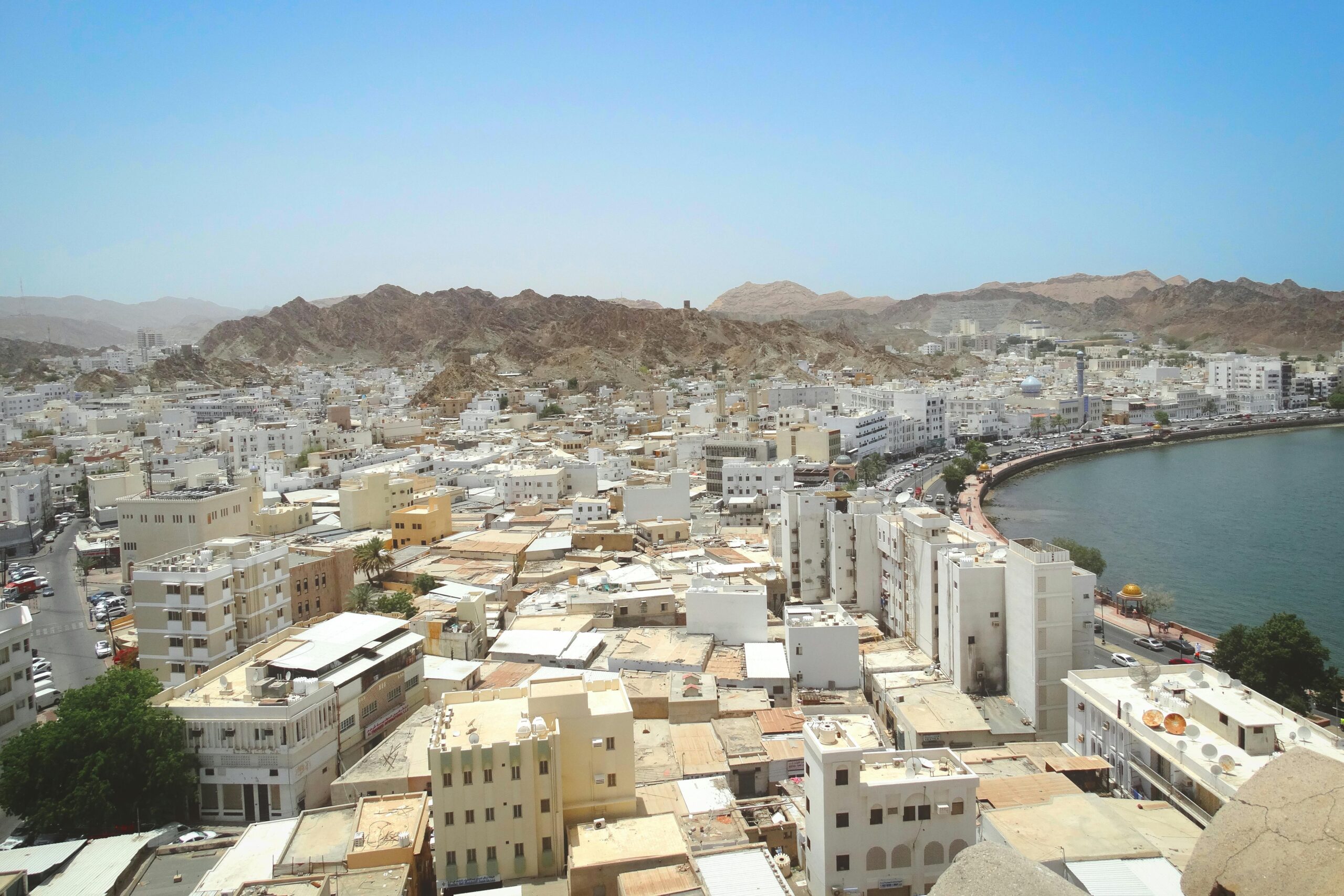
The deaths of three French tourists after their boat capsized off the coast of Oman have cast a spotlight on the hidden risks of marine tourism, even in destinations widely regarded as safe and stable. The incident has prompted renewed scrutiny of safety regulations, weather awareness, and emergency preparedness in the growing adventure and leisure tourism sector across the Middle East.
While investigations continue, the tragedy highlights how quickly recreational travel can turn fatal when natural conditions, human decision-making, and safety systems fail to align.
What Happened
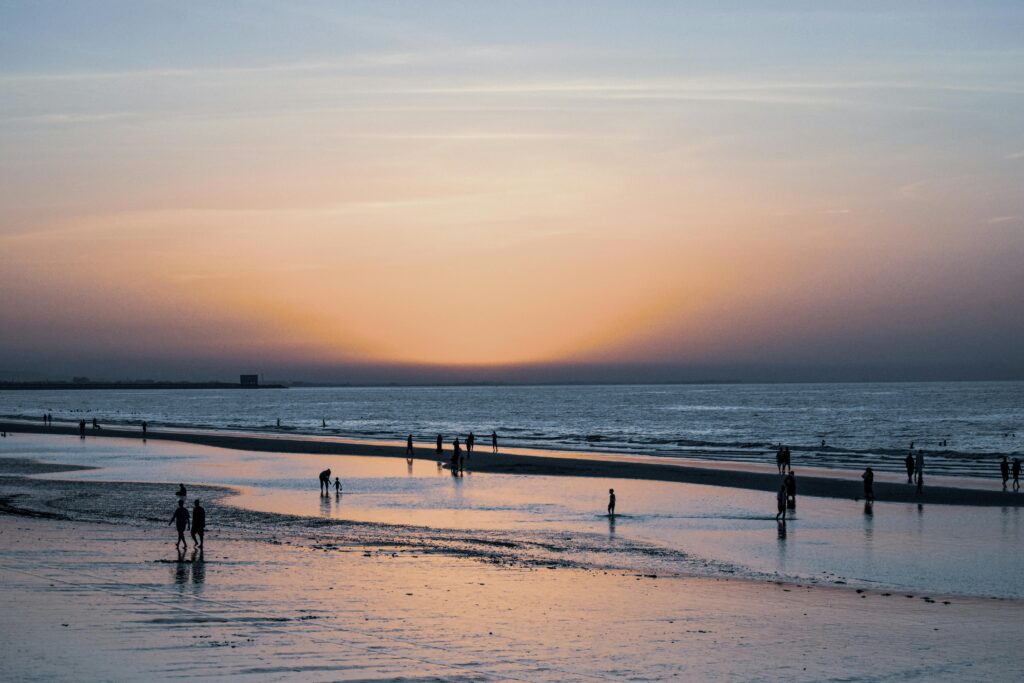
The incident occurred when a small tourist boat carrying foreign visitors capsized in Omani waters. According to authorities:
- The vessel overturned unexpectedly
- Several passengers were thrown into the sea
- Despite rescue efforts, three French nationals drowned
Other passengers were rescued and treated for shock and injuries. The exact number of people onboard and the precise cause of the capsizing remain under investigation.
Oman’s Growing Marine Tourism Sector
A Rising Coastal Destination
Oman has become increasingly popular for:
- Dolphin and whale watching
- Snorkeling and diving
- Coastal sightseeing and island excursions
Its rugged coastline, clear waters, and relatively undeveloped beaches attract travelers seeking quieter alternatives to mass-tourism hubs.
Adventure Tourism Appeal
Many excursions operate in:
- Open waters
- Remote coastal areas
- Conditions that can change rapidly
This makes risk management especially critical.
Possible Contributing Factors
While authorities have not released final conclusions, maritime experts point to several factors commonly involved in similar incidents:
Weather and Sea Conditions
Even when skies appear calm:
- Strong currents
- Sudden swells
- Shifting winds
can destabilize small vessels, particularly near rocky coastlines.
Vessel Type and Capacity
Overloading, improper weight distribution, or unsuitable boat design for prevailing sea conditions can increase the risk of capsizing.
Safety Equipment and Briefings
Critical questions include:
- Were life jackets worn or readily available?
- Did passengers receive safety instructions?
- Was the operator trained to handle emergencies?
In many tourist excursions globally, these precautions vary widely.
Emergency Response Challenges
Rescue Time Is Critical
In maritime accidents:
- Cold shock
- Panic
- Strong currents
can overwhelm even strong swimmers within minutes. Rapid response is essential—but not always possible in remote areas.
Coordination and Access
Search and rescue operations at sea depend on:
- Proximity of patrol vessels
- Weather conditions
- Communication systems
Delays can dramatically affect survival outcomes.

The Human Impact
Families and Communities
The deaths have deeply affected:
- The victims’ families in France
- Fellow travelers who witnessed the incident
- Local tour operators and guides
Such tragedies resonate far beyond the immediate location.
Tourism Industry Repercussions
Incidents like this can:
- Damage destination reputation
- Trigger safety reviews and regulatory changes
- Lead to temporary declines in bookings
They often become catalysts for reform.
Safety Oversight in Tourism
Regulation vs. Reality
Many countries have maritime safety regulations, but challenges include:
- Inconsistent enforcement
- Informal or small-scale operators
- Language barriers between staff and tourists
Safety standards may exist on paper but vary in practice.
The Role of Tour Operators
Responsible operators typically:
- Monitor weather forecasts closely
- Cancel trips when conditions are unsafe
- Provide clear safety briefings and equipment
However, commercial pressure can sometimes lead to risk-taking.
What Travelers Can Learn
Tourists engaging in boat trips or water excursions should:
- Ask about safety equipment and procedures
- Insist on life jackets
- Check weather conditions independently
- Avoid excursions that seem rushed or poorly organized
In adventure tourism, vigilance is part of responsibility.
What Authorities May Do Next
Following incidents like this, governments often:
- Review licensing and inspection regimes
- Tighten rules on passenger limits
- Mandate clearer safety briefings
- Improve coastal patrol and rescue capacity
Such measures can help prevent future tragedies.
Broader Implications for Coastal Tourism
As global tourism rebounds:
- Demand for marine excursions is rising
- More inexperienced travelers are entering open-water environments
- Climate change may increase sea unpredictability
Safety systems must evolve alongside tourism growth.
Frequently Asked Questions (FAQs)
Where did the boat accident occur?
The incident took place in coastal waters of Oman during a tourist excursion.
Who were the victims?
Three French tourists lost their lives after the boat capsized.
What caused the boat to capsize?
The exact cause is still under investigation, but weather, sea conditions, and vessel stability are being examined.
Were safety measures in place?
Authorities are assessing whether adequate safety equipment and procedures were followed.
Is Oman generally safe for tourists?
Yes. Oman is widely considered safe, but marine activities carry inherent risks everywhere.
Should tourists avoid boat trips?
Not necessarily, but travelers should choose reputable operators and prioritize safety.
Will this change tourism regulations in Oman?
Incidents like this often lead to reviews and potential tightening of safety rules.
Conclusion
The drowning of three tourists in Oman is a tragic reminder that even peaceful, well-regarded destinations are not immune to the dangers of the sea. As coastal and adventure tourism continue to grow worldwide, safety must remain as central as experience.
For travelers, operators, and authorities alike, the lesson is clear: preparation, transparency, and caution can mean the difference between a memorable journey and irreversible loss.
Sources Aljazeera

