
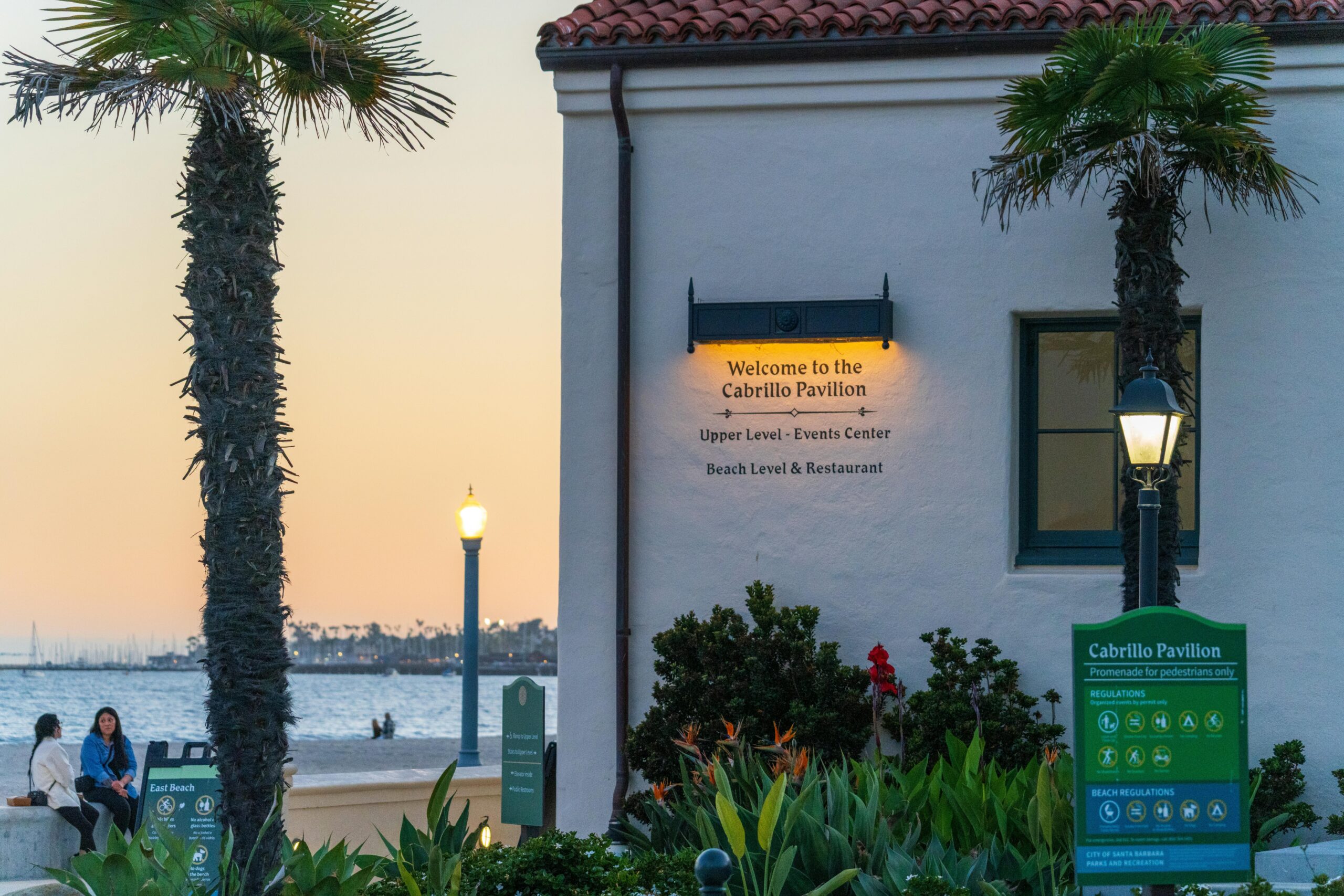
Tourism along California’s South Coast has long been a cornerstone of the regional economy, supporting jobs, public services, and a globally recognized coastal lifestyle. At a recent Visit Santa Barbara tourism summit, industry leaders, economists, and local stakeholders gathered to analyze how shifting economic forces are redefining the future of tourism in Santa Barbara and neighboring communities.
The discussion revealed an industry at a crossroads—balancing recovery, sustainability, affordability, and resilience in an era of economic uncertainty.
Tourism’s Role in the South Coast Economy
A Major Economic Engine
Tourism contributes billions annually to the local economy through:
- Lodging and hospitality
- Dining and wine tourism
- Retail and cultural attractions
- Transportation and events
Beyond direct spending, tourism supports public funding through taxes that help pay for infrastructure, public safety, and community services.
Employment and Workforce Impact
The sector employs a wide range of workers, from:
- Hotel and restaurant staff
- Tour operators and guides
- Event professionals and artisans
Any shift in tourism demand has immediate consequences for employment stability.
Key Economic Forces Shaping Tourism Today
1. Rising Costs and Inflation
Operating a tourism business on the South Coast has become more expensive due to:
- Higher wages
- Increased insurance premiums
- Rising food and utility costs
These pressures squeeze margins and influence pricing strategies.
2. Changing Visitor Behavior
Travelers are adapting to economic uncertainty by:
- Taking shorter trips
- Seeking value-driven experiences
- Booking closer to travel dates
This volatility makes demand harder to predict.
3. Housing and Labor Constraints
One of the region’s most pressing challenges is:
- Lack of affordable housing for tourism workers
- Long commutes for employees
- Difficulty recruiting and retaining staff
Housing availability is now a tourism issue—not just a social one.
The Shift Toward “High-Value” Tourism
Quality Over Quantity
Rather than chasing record visitor numbers, tourism leaders emphasize:
- Higher-spending visitors
- Longer stays
- Experiences aligned with local culture
This strategy aims to reduce strain on infrastructure while sustaining revenue.
Managing Visitor Impact
Efforts include:
- Promoting off-season travel
- Encouraging visitors to explore lesser-known areas
- Supporting sustainable transportation and practices
The goal is balance—not growth at all costs.
Climate and Environmental Pressures
Wildfire and Weather Risks
The South Coast faces increasing exposure to:
- Wildfires
- Drought
- Coastal erosion
These risks influence travel decisions and insurance costs while demanding proactive planning.
Sustainability as an Economic Strategy
Environmental stewardship is increasingly viewed as:
- A brand differentiator
- A cost-saving measure
- A long-term investment
Eco-conscious travelers reward destinations that align with their values.
Technology and the Modern Visitor
Digital Expectations
Today’s travelers expect:
- Seamless online booking
- Personalized recommendations
- Real-time information
Tourism businesses must invest in technology to remain competitive.
Data-Driven Destination Management
Data analytics help:
- Forecast demand
- Manage crowding
- Target marketing more effectively
Smarter data leads to smarter growth.
The Role of Events and Conferences
Meetings and Group Travel
Business travel and conferences remain critical to:
- Filling hotels midweek
- Supporting restaurants and venues
Competition for events has intensified as cities nationwide vie for the same travelers.
Cultural and Community Events
Festivals, wine events, and arts programming:
- Extend visitor stays
- Showcase local identity
- Spread economic benefits
They also reinforce community pride.
Policy and Collaboration
Public–Private Partnerships
The summit emphasized collaboration among:
- Tourism boards
- City governments
- Business owners
- Residents
Effective tourism policy requires shared goals and transparent communication.
Regulation and Balance
Issues such as:
- Short-term rental rules
- Noise and traffic management
- Environmental protections
must balance resident quality of life with economic vitality.
What the Future Holds for South Coast Tourism
The consensus from the summit was cautious optimism:
- Demand remains strong
- The region’s appeal is enduring
- Adaptation is essential
Tourism leaders are focused on resilience rather than rapid expansion.
Frequently Asked Questions (FAQs)
Why is tourism so important to Santa Barbara and the South Coast?
It generates significant revenue, supports jobs, and funds public services.
What are the biggest challenges facing tourism today?
Rising costs, housing shortages, labor constraints, and climate risks.
Is tourism growing or slowing in the region?
Demand is steady but more volatile, with shorter stays and cautious spending.
Why focus on “high-value” tourism?
To sustain revenue while reducing strain on infrastructure and residents.
How does housing affect tourism?
Lack of affordable housing makes it harder to staff hotels, restaurants, and attractions.
What role does sustainability play?
It’s essential for protecting the environment, attracting visitors, and ensuring long-term viability.
Will tourism remain a key economic driver?
Yes, but its success will depend on thoughtful management and collaboration.
Conclusion
The Visit Santa Barbara tourism summit made one thing clear: tourism on the South Coast is no longer just about attracting visitors—it’s about managing an ecosystem shaped by economic pressure, environmental responsibility, and community needs.
By prioritizing quality, sustainability, and collaboration, Santa Barbara and its neighboring communities have an opportunity to shape a tourism model that remains economically strong while preserving the very qualities that make the region worth visiting.
Sources Independent

