
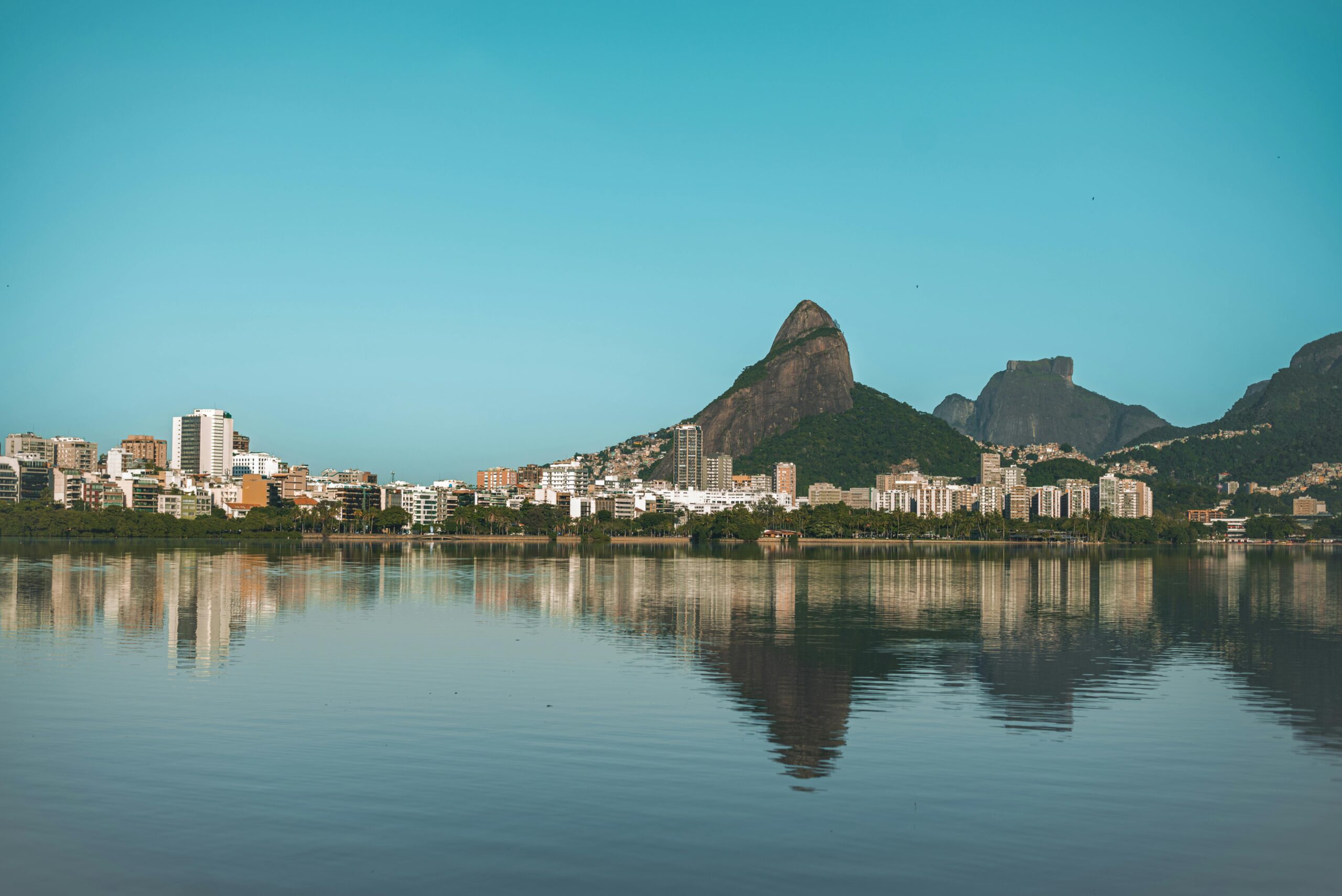
For decades, Rio de Janeiro’s tourism image was defined by glamorous beaches, five-star hotels, and postcard-perfect landmarks like Copacabana, Ipanema, Sugarloaf Mountain, and Christ the Redeemer. But in recent years, a notable shift has emerged: many travelers are bypassing Rio’s traditionally “posh” attractions and seeking out experiences in the city’s favelas—communities long stigmatized as unsafe, poor, or off-limits.
This change reflects more than a travel trend. It reveals evolving tourist values, economic pressures, social realities, and a growing desire for authenticity in global travel.
Why Rio’s Traditional Luxury Tourism Is Losing Appeal
Safety Perceptions and Reality
High-end tourist zones in Rio have increasingly been associated—fairly or not—with:
- Pickpocketing and petty crime
- Overcrowding
- Heavy policing and surveillance
Even if incidents remain statistically limited, perception plays a powerful role in shaping travel decisions.
Rising Costs and Diminishing Value
Luxury hotels, beach clubs, and private tours have become:
- More expensive
- More standardized
- Less distinctive
Some travelers feel that Rio’s elite tourism offerings no longer justify their price compared to similar destinations worldwide.
Overtourism and Homogenization
Many iconic areas now resemble:
- Globalized resort zones
- Predictable tourist circuits
This sameness has driven travelers—especially younger and repeat visitors—to look elsewhere for meaning and uniqueness.
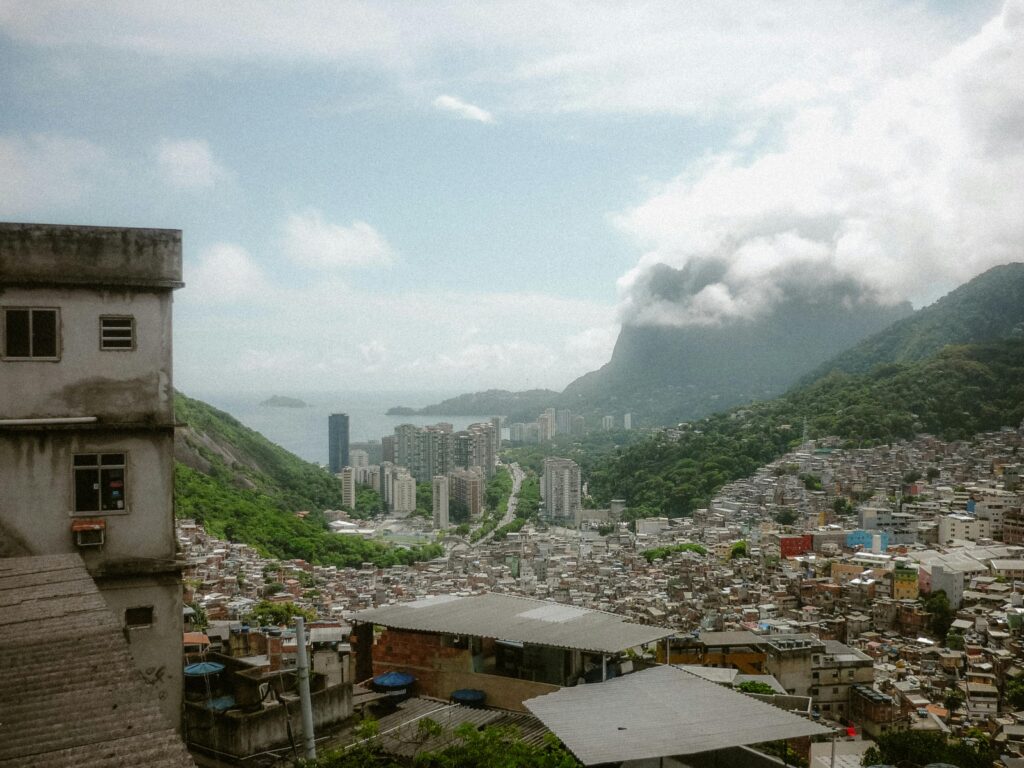
Why Favelas Are Attracting Tourists
The Search for “Authentic” Experiences
Modern travelers increasingly seek:
- Cultural immersion
- Local interaction
- Stories beyond curated tourist narratives
Favela communities offer music, art, food, and social life that feel deeply rooted and distinct.
Community-Led Tourism Initiatives
In many favelas, tourism is no longer voyeuristic:
- Tours are organized by residents
- Profits stay within the community
- Narratives challenge stereotypes
This shift has helped legitimize favela tourism as empowerment rather than exploitation.
Creative and Cultural Energy
Favelas are cultural powerhouses, producing:
- Music genres like funk carioca
- Street art and graffiti
- Grassroots fashion and cuisine
For many visitors, this creativity feels more alive than polished attractions.
The Role of Stigma—and Its Reversal
From “No-Go Zones” to Cultural Destinations
Historically, favelas were labeled as:
- Dangerous
- Lawless
- Unwelcoming
But this stigma is increasingly challenged by:
- Media portrayals
- Word-of-mouth travel
- Academic and journalistic reassessment
Tourism is playing a role in reshaping global perceptions.
Tourists as Witnesses, Not Just Consumers
Some travelers are motivated by:
- Curiosity about inequality
- Interest in urban resilience
- Desire to understand social realities
Favela visits are often framed as educational rather than recreational.
Ethical Questions Around Favela Tourism
Is It Exploitative?
Critics argue that:
- Poverty should not be a spectacle
- Visitors risk “poverty tourism”
- Unequal power dynamics persist
These concerns are valid—especially when tours are externally run or sensationalized.
When It Can Be Positive
Favela tourism tends to be more ethical when:
- Residents control narratives
- Communities set boundaries
- Visitors engage respectfully
The difference lies in who benefits and who decides.
Safety: Perception vs Reality
Navigated, Not Random
Most favela tourism:
- Occurs in specific, well-known areas
- Is guided by locals
- Avoids sensitive zones
This controlled access reduces risk compared to unguided exploration.
Complex Security Landscape
While safety has improved in some areas:
- Conditions vary widely between neighborhoods
- Political and policing shifts affect stability
Responsible operators adapt constantly to local conditions.
Economic Impact on Favela Communities
Income and Opportunity
Tourism can provide:
- Jobs for guides, artists, cooks, and drivers
- Funding for social projects
- International visibility
For communities with limited formal employment, this income matters.
Limits and Risks
However, tourism alone cannot:
- Solve structural inequality
- Replace public investment
- Guarantee long-term stability
Overreliance on tourism carries its own vulnerabilities.
What This Shift Says About Global Tourism Trends
Luxury Is Being Redefined
Luxury travel is no longer just about:
- Comfort and exclusivity
- Physical beauty
It increasingly includes:
- Emotional connection
- Social awareness
- Meaningful stories
Favela tourism reflects this redefinition.
Travel as Social Engagement
Travelers today often want to:
- Learn, not just relax
- Understand, not just consume
- Connect, not just observe
This aligns with broader trends in ethical and experiential tourism.
Challenges for Rio’s Tourism Industry
Rebalancing the City’s Image
Rio must navigate:
- Promoting favela culture without romanticizing poverty
- Revitalizing traditional tourist zones
- Addressing safety and inequality simultaneously
Tourism alone cannot fix systemic issues—but it influences how they are seen.
Policy and Planning Gaps
Urban tourism strategies often:
- Ignore informal communities
- Fail to integrate favela-led initiatives
Inclusion requires deliberate planning.
What Travelers Should Know Before Visiting a Favela
- Choose community-run tours
- Avoid photography without consent
- Listen more than speak
- Respect that this is a living community, not an attraction
Responsible behavior shapes outcomes.
Frequently Asked Questions (FAQs)
Why are tourists avoiding Rio’s luxury attractions?
Concerns about safety, cost, overcrowding, and lack of authenticity play a role.
Why are favelas becoming popular with tourists?
They offer cultural richness, local interaction, and community-led experiences.
Is favela tourism safe?
When guided and responsibly managed, it can be—but conditions vary.
Is favela tourism exploitative?
It can be, but community-led models reduce exploitation and increase benefits.
Do favela residents support tourism?
Opinions vary, but many support it when it brings income and dignity.
Does tourism help reduce inequality?
It helps locally but cannot replace broader social and economic reforms.
Should tourists visit favelas?
Only if they do so respectfully, ethically, and with local guidance.
Conclusion
The shift from Rio’s luxury attractions to its favelas is not simply about novelty—it reflects a deeper transformation in how travelers relate to cities, inequality, and culture. As tourists seek authenticity and meaning, spaces once marginalized are being reimagined as central to urban identity.
Whether this trend leads to empowerment or exploitation depends on who controls the narrative and who benefits from the attention. In Rio, the future of tourism may hinge not on returning to old images of glamour, but on embracing the city’s full, complex reality—with humility, respect, and care.
Sources Euro News

