

Few landmarks symbolize Rome—and mass tourism—more than the Trevi Fountain. Each year, millions of visitors crowd its narrow piazza to toss coins, take photos, and experience one of the city’s most iconic sites. Now, Rome is considering a visitor access fee for the Trevi Fountain, sparking debate over whether charging tourists can protect cultural heritage without undermining the city’s openness.
The proposal is not just about one fountain. It reflects a broader reckoning across Europe as historic cities grapple with the costs of popularity.
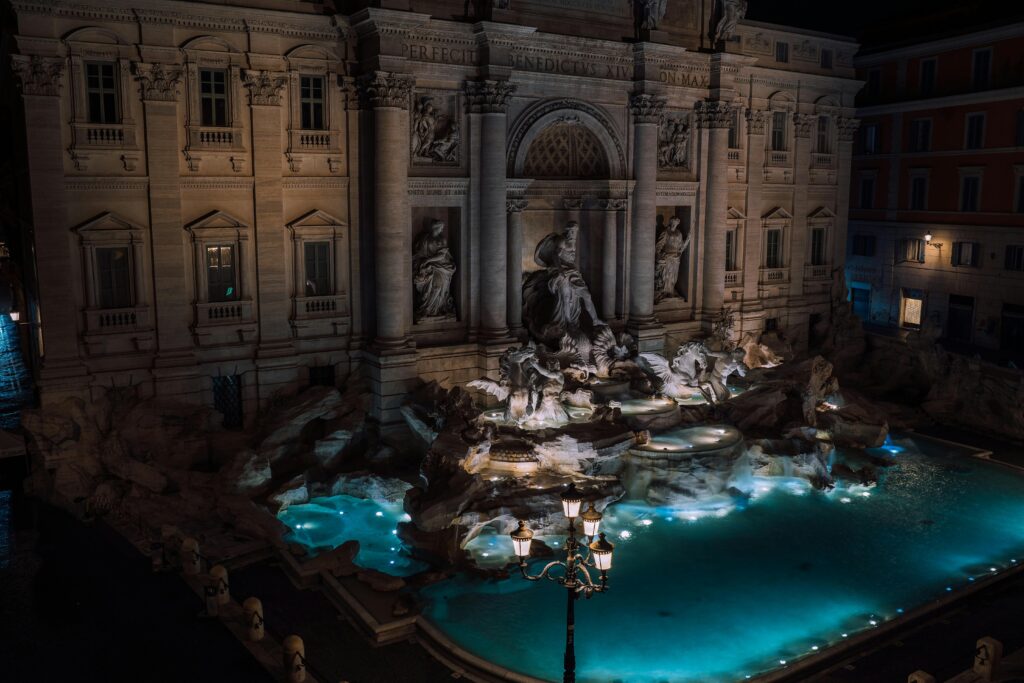
Why the Trevi Fountain Is Under Pressure
An Overwhelming Volume of Visitors
The Trevi Fountain attracts:
- Tens of millions of visitors annually
- Peak-time crowds that exceed the capacity of the surrounding streets
- Constant foot traffic that strains stonework and nearby infrastructure
At times, the site becomes nearly impassable for residents and emergency services.
Preservation and Maintenance Costs
The fountain’s upkeep is expensive:
- Continuous cleaning and restoration
- Crowd management and security
- Infrastructure repairs caused by heavy footfall
While coins tossed into the fountain fund charitable causes, they do not cover broader management costs.
What Rome Is Proposing
A Modest Access Fee
City officials are exploring:
- A small fee to access the immediate Trevi Fountain viewing area
- Time-limited entry slots
- Possible exemptions for residents
The goal is crowd control, not profit maximization.
Managing Flow, Not Blocking Access
Rome has emphasized that:
- The fountain would remain publicly visible
- The fee would apply only to close-up access
- The aim is to reduce congestion, not discourage tourism entirely
Why Rome Feels It Has Little Choice
Overtourism Has Real Costs
Unchecked tourism leads to:
- Wear on historic monuments
- Rising rents and commercialization
- Declining quality of life for residents
Rome’s infrastructure was not designed for modern tourist volumes.
A Global Trend Toward Regulation
Cities worldwide are adopting similar measures:
- Timed entry systems
- Tourist taxes
- Capacity limits at landmarks
Rome’s proposal fits into a growing toolbox of destination management strategies.
Arguments in Favor of the Fee
Protecting Cultural Heritage
Supporters argue that:
- Controlled access reduces physical damage
- Visitor experience improves with fewer crowds
- Preservation becomes financially sustainable
Heritage protection, they say, requires modern solutions.
Improving Safety and Accessibility
Crowd limits can:
- Reduce accidents and stampede risks
- Improve access for elderly and disabled visitors
- Allow emergency services to operate more effectively
Funding Local Services
Even a small fee could help fund:
- Maintenance
- Security
- Cleaning and public services
This shifts some costs from residents to visitors.
Criticism and Concerns
“Paying to See the City”
Critics warn that:
- Charging for landmarks erodes the idea of open cities
- Rome risks becoming a “museum city”
- Access to culture could become class-based
They argue public spaces should remain free.
Slippery Slope Fears
Some worry that:
- One fee could lead to many
- Other landmarks may follow
- Tourism becomes fragmented and transactional
Trust in governance will be key.
Resident Perspectives
Relief From Daily Disruption
Many locals welcome measures that:
- Reduce constant congestion
- Make neighborhoods livable again
- Restore balance between residents and visitors
For residents, the issue is quality of life.
Concerns About Economic Impact
Others fear that:
- Fees could deter budget travelers
- Small businesses may suffer
- Tourism revenue could decline
Balancing interests remains complex.
How Other Cities Handle Similar Challenges
Venice
Venice has introduced:
- Day-tripper entry fees
- Cruise ship restrictions
These measures aim to control volume rather than eliminate tourism.
Paris and Barcelona
Both cities use:
- Timed museum entries
- Tourist taxes
- Zoning rules for short-term rentals
Rome is learning from these examples.
What This Means for the Future of Tourism
From Mass Tourism to Managed Tourism
The Trevi Fountain debate signals a shift toward:
- Quality over quantity
- Sustainable visitation
- Shared responsibility
Tourism is no longer just about attracting visitors—it’s about managing them.
A Test Case for Other Landmarks
If successful, the Trevi Fountain model could:
- Influence policy across Rome
- Set a precedent for other historic cities
Its outcome will be closely watched.
What Tourists Should Expect
Visitors may need to:
- Plan ahead
- Reserve time slots
- Accept small fees as part of responsible travel
In return, they may enjoy a better experience.
Frequently Asked Questions (FAQs)
Why is Rome considering a fee for the Trevi Fountain?
To manage overcrowding, protect the site, and improve safety and visitor experience.
How much would the fee be?
Details are still under discussion, but officials suggest it would be modest.
Will the fountain still be visible for free?
Yes. The proposal focuses on close access, not visibility.
Would residents have to pay?
Local exemptions are being considered.
Is this common in Europe?
Yes. Many cities now use fees or timed access to manage tourism pressure.
Will this stop tourists from visiting Rome?
Unlikely. Demand remains strong, and small fees rarely deter visitors.
Is this the start of charging for all landmarks?
Not necessarily, but it may influence future management strategies.
Conclusion
Rome’s proposal to introduce a fee for accessing the Trevi Fountain reflects a broader challenge facing the world’s most beloved cities: how to remain open and welcoming while protecting cultural heritage and resident life. The debate is not about whether tourists should come—but about how many, how often, and under what conditions.
If implemented thoughtfully, the Trevi Fountain fee could mark a turning point toward more sustainable tourism—one that preserves Rome’s beauty not just for visitors today, but for generations to come.
Sources abc News

