
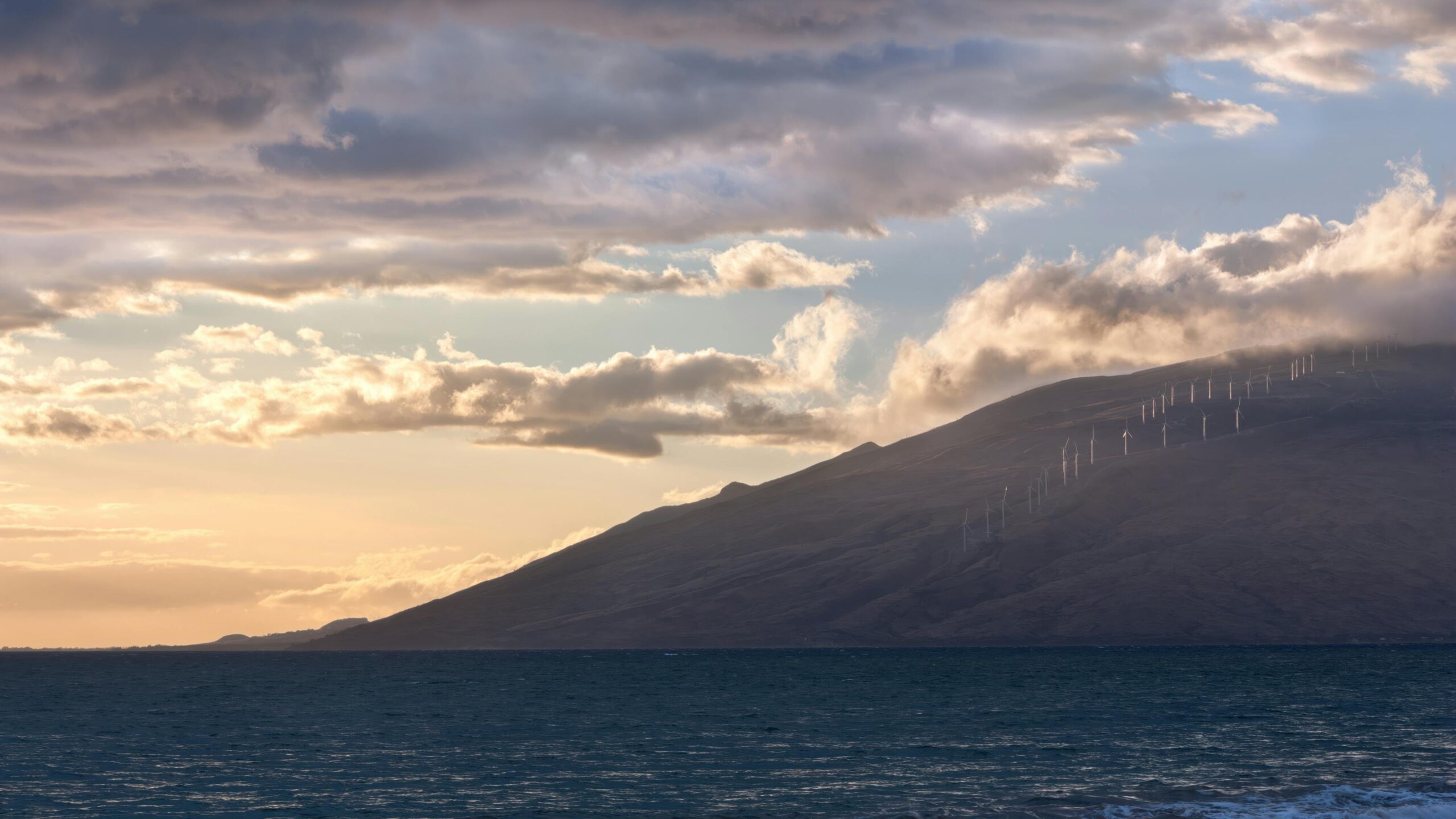
Nearly three years after the wildfires that devastated parts of Maui, the island remains breathtaking—but profoundly altered. Time has allowed for rebuilding and reflection, yet Maui today is not a simple “return to normal.” It is a place reshaped by loss, resilience, cultural reckoning, and a renewed debate over what responsible tourism should look like.
For travelers returning after years away, the changes can be subtle at first and deeply moving once understood. Familiar places may feel quieter. New boundaries—both physical and emotional—are now part of the landscape. Maui still welcomes visitors, but it asks more of them than before.
A recovery that changed direction, not just pace
Wildfire recovery is often imagined as reconstruction followed by restoration. In Maui, the fires triggered something more fundamental: a rethinking of land use, housing, and growth.
Entire historic neighborhoods were lost, altering the social fabric of the island. Housing shortages worsened as displaced residents competed for limited rentals, while policymakers reconsidered development patterns that increased fire risk. Rebuilding efforts became slower and more intentional, reflecting community calls to prioritize safety, culture, and sustainability over speed.
The island’s emotional landscape looks different now
Maui’s transformation isn’t limited to what visitors can see. For residents, many places now carry layered memories of loss and survival.
Some areas remain emotionally sensitive, even as physical rebuilding progresses. Daily life unfolds alongside remembrance, and the presence of tourism in these spaces can feel complicated. Visitors are still welcome, but awareness and restraint matter more than ever.
The unspoken question many locals hold isn’t whether tourism should exist—but whether it can evolve into something more respectful and balanced.
Tourism has returned, but the old model has not
Tourism remains central to Maui’s economy, yet its comeback has been uneven.
Changes visitors notice include:
- Reduced availability of short-term rentals in certain regions
- Higher costs for accommodations and services
- A stronger emphasis on cultural, nature-based, and community-led experiences
- Seasonal fluctuations that feel sharper than before
Some businesses reopened quickly. Others closed permanently. Those that remain often operate with smaller staffs and higher expenses, making patience from visitors a meaningful form of support.
Housing and workforce pressures behind the scenes
One of the least visible effects of the fires is the housing crisis that followed.
Many workers who support tourism now commute farther or struggle with unstable living arrangements. This impacts staffing levels, service speed, and overall costs—factors travelers might experience without realizing the underlying cause.
For residents, housing is no longer just an economic issue; it’s an existential one tied to whether families can stay on the island.
Environmental lessons reshaping Maui’s future
The fires forced Maui to confront long-standing environmental vulnerabilities.
In response, communities and officials have focused on:
- Managing invasive grasses that accelerate wildfire spread
- Restoring traditional Hawaiian land stewardship practices
- Improving water access and emergency infrastructure
- Limiting development in high-risk areas
Climate change remains an ongoing threat, but the island is actively redefining how it coexists with its environment.
Cultural preservation takes center stage
For Native Hawaiians, the fires represented not only physical destruction but cultural loss.
In the aftermath:
- Cultural leaders have taken a leading role in restoration efforts
- Education for visitors has become a priority
- Community-based tourism initiatives are growing
Maui’s identity is no longer something assumed—it is something being actively protected.
What many visitors still misunderstand
Even well-meaning travelers sometimes arrive with outdated assumptions:
- That Maui is fully “back to normal”
- That all tourism is equally welcomed everywhere
- That individual visits have little impact
In reality, Maui is navigating a delicate balance between economic recovery and cultural preservation.
Visiting Maui responsibly today
Responsible travel in post-fire Maui means more than following guidelines—it requires intention.
Visitors can help by:
- Staying informed about affected and sensitive areas
- Supporting locally owned businesses
- Respecting restrictions on access and photography
- Practicing patience and humility
- Listening to local voices
This isn’t about guilt. It’s about respect.
Maui endures, on its own terms
Maui remains extraordinary—but its story has deepened.
The island’s post-fire chapter is defined by resilience, restraint, and choice. Visitors still play a role, but not as passive consumers of paradise. Those who arrive with awareness will find Maui offers something richer than before: a place that invites connection, responsibility, and understanding.
Sources The New York Times

