

More than three decades after the Bosnian War, Europe is still confronting its moral aftershocks. In early 2026, Italian prosecutors announced an investigation into an 80-year-old man accused of participating in so-called “sniper tourism” during the siege of Sarajevo—a case that has reignited painful questions about accountability, memory, and the long shadow of war crimes.
The investigation is not just about one elderly suspect. It is about how modern societies deal with atrocities committed long ago, by individuals who may never have worn uniforms, and whose alleged crimes were carried out as spectatorship rather than duty.
1. What was the Siege of Sarajevo?
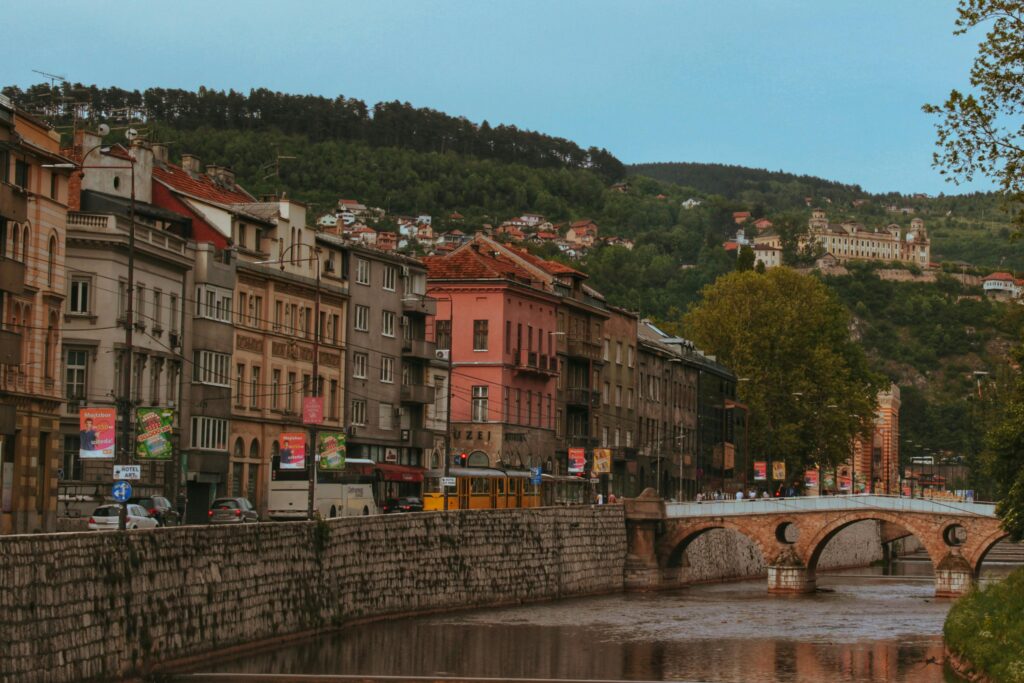
The Siege of Sarajevo (1992–1996) was the longest siege of a capital city in modern history. For nearly four years, Bosnian Serb forces surrounded the city, subjecting civilians to constant shelling and sniper fire.
Civilians were deliberately targeted:
- Children on their way to school
- People queuing for water or bread
- Residents crossing open streets later known as “Sniper Alley”
More than 11,000 people were killed, including over 1,600 children. Sniper fire became a symbol of the siege’s cruelty—random, intimate, and terrorizing.
2. What is “sniper tourism”?
“Sniper tourism” refers to civilians or foreign volunteers who allegedly traveled to conflict zones not as combatants in an organized military force, but as individuals seeking the experience of killing or targeting civilians—often for ideological, thrill-seeking, or perverse curiosity reasons.
Unlike mercenaries:
- They may not be formally paid
- They often lacked official command structures
- They sometimes documented their actions as trophies
The concept is especially disturbing because it frames violence as a form of leisure or adventure.
3. Why this case matters decades later
Many war crimes investigations take decades to surface due to:
- Fear among witnesses
- Political instability
- Destroyed or hidden records
- Lack of jurisdiction
As survivors age, the urgency increases. Prosecutors increasingly rely on:
- Survivor testimony
- Wartime photos and diaries
- International cooperation
- Declassified intelligence
The passage of time does not erase crimes against humanity, which under international law have no statute of limitations.
4. The legal challenge of prosecuting “unofficial” perpetrators
Cases like this are legally complex.
Key challenges include:
- Proving individual intent decades later
- Establishing presence at specific crime scenes
- Differentiating rumor from admissible evidence
- Addressing the accused’s age and health
However, international law does not require a suspect to have been a soldier. Civilians who directly participate in hostilities—especially targeting civilians—can still be held criminally responsible.
5. Why Italy has jurisdiction
European countries increasingly assert jurisdiction over war crimes committed abroad when:
- The suspect is a citizen or resident
- Victims include nationals
- Universal jurisdiction applies to crimes against humanity
Italy has previously investigated international crimes under this principle, reflecting a broader European trend to close accountability gaps left by international tribunals.
6. Ethical questions: justice vs. time
The case has reignited debate over whether elderly suspects should face prosecution.
Supporters argue:
- Justice delayed is still justice
- Survivors deserve acknowledgment
- Age does not erase responsibility
Critics argue:
- Trials may be symbolic rather than practical
- Evidence may be unreliable after decades
- Humanitarian considerations should apply
Yet for many survivors, prosecution is less about punishment and more about recognition—that what happened was real, deliberate, and wrong.
7. The trauma of memory tourism
The idea of “sniper tourism” is particularly offensive to survivors because it turns their suffering into spectacle.
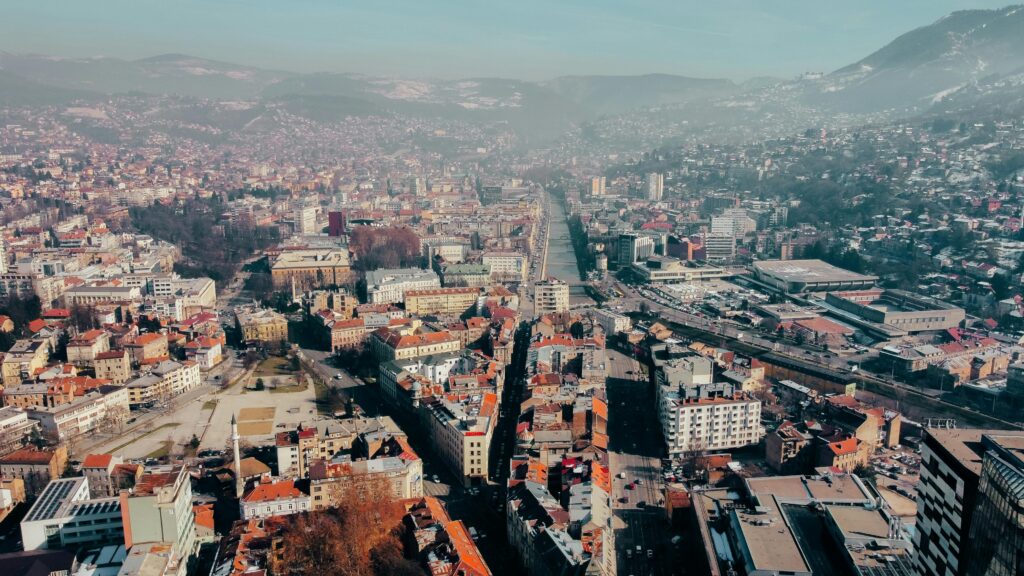
Sarajevo today actively promotes remembrance:
- Museums documenting civilian life under siege
- Preserved scars on buildings
- Memorials to child victims
This stands in stark contrast to the notion that outsiders once visited the city to participate in its destruction.
8. What this case says about Europe today
The investigation reflects broader trends:
- Renewed attention to historical accountability
- Heightened sensitivity to civilian targeting amid modern conflicts
- A rejection of narratives that romanticize war
In an era of livestreamed conflict and online radicalization, the case serves as a warning: dehumanization does not expire with time.
Conclusion: Some crimes refuse to fade
The alleged acts under investigation occurred in a war many Europeans now study in textbooks. But for survivors, the war never ended—it simply became quieter.
By reopening cases linked to Sarajevo, European prosecutors are sending a clear message: crimes against civilians are not artifacts of history. They remain moral and legal obligations, regardless of how much time has passed or how old the accused may be.
Justice may arrive late. But forgetting would be worse.
Frequently Asked Questions (FAQ)
1. What is sniper tourism?
It refers to civilians who allegedly traveled to war zones to participate in sniper attacks for personal motives rather than as official soldiers.
2. Is sniper tourism recognized under international law?
There is no formal legal term, but the acts described can constitute war crimes or crimes against humanity.
3. Why investigate someone who is 80 years old?
Age does not exempt individuals from responsibility for war crimes, which have no statute of limitations.
4. Why is the Siege of Sarajevo still legally relevant?
Because crimes against civilians committed during the siege remain prosecutable under international law.
5. What evidence can be used after so many years?
Witness testimony, photographs, wartime records, intelligence files, and forensic analysis.
6. Why isn’t this handled by an international tribunal?
Many tribunals have closed. National courts increasingly handle remaining cases.
7. Could the suspect actually go to trial?
That depends on evidence, health assessments, and judicial rulings.
8. How do survivors feel about these investigations?
Many see them as long-overdue acknowledgment rather than revenge.
9. Is this an isolated case?
No. European countries continue to investigate historical war crimes linked to the Balkans.
10. What broader lesson does this case offer?
That civilian suffering cannot be trivialized—and that justice has a long memory.
Sources Reuters

