
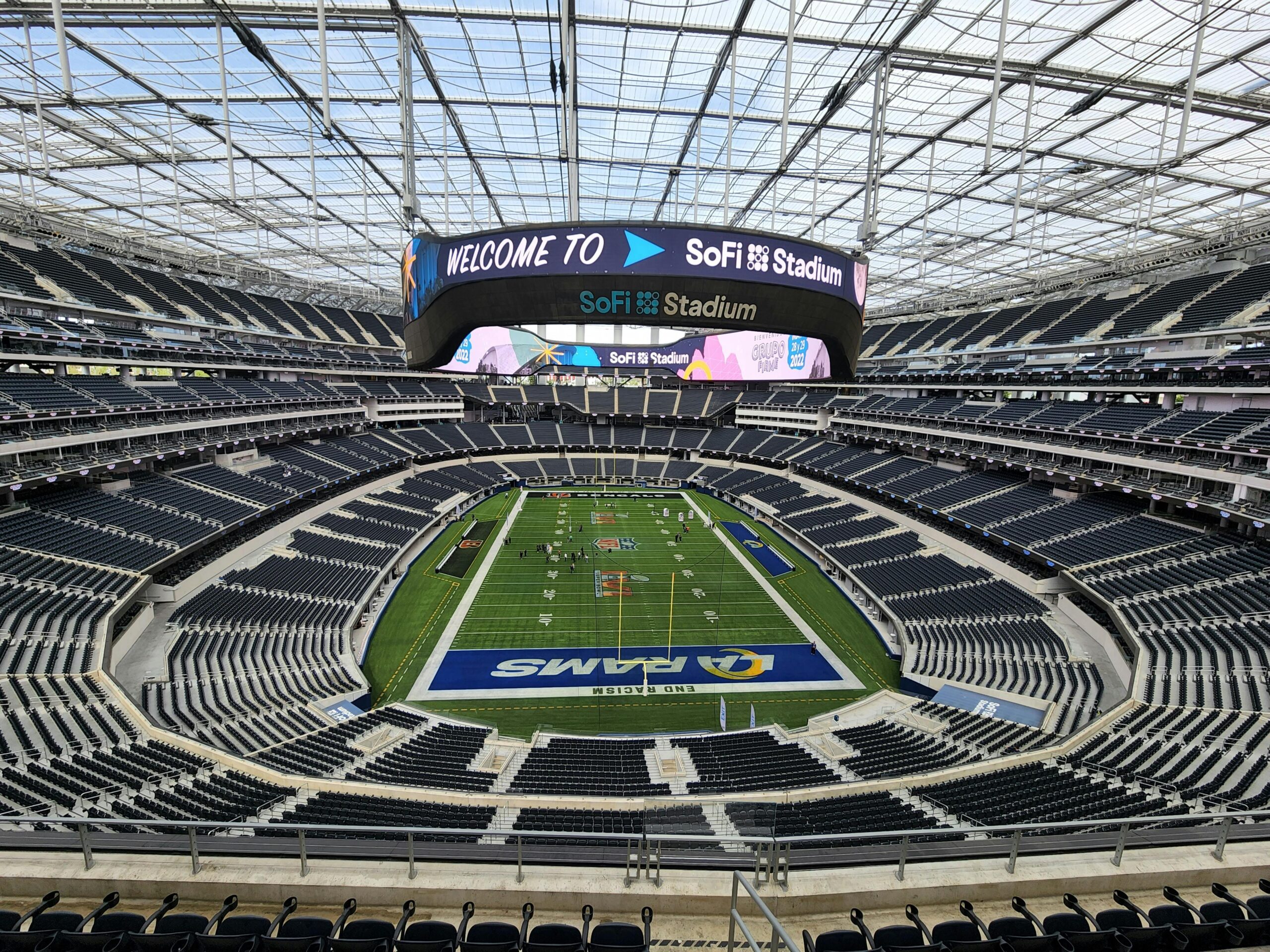
When Bad Bunny appeared in connection with the Super Bowl—performing, speaking, and being translated for a massive English-dominant audience—it wasn’t just another celebrity crossover. It marked a quiet but powerful cultural shift.
For the first time at this scale, Spanish wasn’t treated as a novelty, a side channel, or a niche add-on. It was centered, respected, and translated in real time for millions of viewers. The moment sparked debate, pride, and reflection—especially among Latino audiences who saw themselves represented on the biggest stage in American sports.
This wasn’t just about music. It was about language, identity, and who the Super Bowl is really for.
1. Why Bad Bunny’s Super Bowl presence mattered
Bad Bunny is not a bilingual crossover artist in the traditional sense. He does not primarily sing in English, nor does he dilute his cultural identity for mainstream acceptance.
His rise represents:
- Spanish-language success without translation as a prerequisite
- Global popularity driven by authenticity
- A new definition of “mainstream” in American culture
By appearing in a Super Bowl context while speaking Spanish, Bad Bunny brought that reality directly into one of the most English-centric media spaces in the world.
2. Translation as recognition, not accommodation
One of the most notable aspects of the moment was how Spanish was handled.
Instead of:
- Forcing English-only communication
- Marginalizing Spanish speakers
- Treating translation as an afterthought
The broadcast normalized real-time translation—implicitly acknowledging that Spanish is not foreign in the U.S., but foundational.
Translation here wasn’t about making Spanish acceptable. It was about making English-language audiences meet Spanish halfway.
3. The Super Bowl’s evolving audience
The Super Bowl is no longer a monolithic cultural event.
Its audience increasingly includes:
- Bilingual households
- First- and second-generation immigrants
- Younger viewers raised on global music
- Fans who consume culture across languages
Spanish-language media is already deeply embedded in American life. This moment simply made that reality visible on the largest stage possible.
4. Bad Bunny as a symbol of cultural confidence
Bad Bunny’s approach is radically different from earlier Latino crossover artists.
He:
- Rarely explains or translates himself
- Centers Puerto Rican culture unapologetically
- Challenges gender norms and masculinity
- Uses Spanish as a creative choice, not a limitation
His Super Bowl-related visibility reinforced a message: success does not require assimilation.
5. Why this resonated so strongly with Latino audiences
For many Latino viewers, this moment felt personal.
It represented:
- Visibility without stereotypes
- Spanish spoken without apology
- Cultural presence without dilution
For communities long used to translating themselves for others, seeing Spanish translated for the mainstream flipped the script.

6. The business reality behind the cultural shift
This wasn’t just symbolic—it was strategic.
Spanish-speaking consumers represent:
- One of the fastest-growing demographics in the U.S.
- Massive purchasing power
- A younger, digitally fluent audience
Brands, leagues, and broadcasters increasingly recognize that inclusivity is not just ethical—it’s economically smart.
7. Music, sports, and shared cultural moments
Sports and music have always intersected, but the Super Bowl amplifies that intersection.
By centering a Spanish-speaking global star:
- The NFL aligned itself with modern pop culture
- Music trends influenced sports presentation
- The event reflected globalized American identity
The Super Bowl became less about a single culture—and more about a shared one.
8. Backlash and misunderstanding
As with many cultural shifts, not everyone welcomed the moment.
Criticism included:
- Complaints about language barriers
- Claims that Spanish “doesn’t belong”
- Framing translation as unnecessary
But these reactions revealed the very tension the moment exposed: America is multilingual, whether everyone is comfortable with that or not.
9. What this signals for future Super Bowls
Bad Bunny’s presence may not be a one-off.
Possible future shifts include:
- More multilingual performances
- Spanish-language interviews normalized
- Bilingual broadcasts and content
- Greater representation of global artists
The Super Bowl is evolving from a national ritual into a global one.
10. Why this moment will outlast the game
Long after the score is forgotten, cultural signals remain.
This moment:
- Affirmed Spanish as part of American public life
- Expanded who feels included in major events
- Set a precedent for representation without compromise
That’s why it mattered—and why it will be remembered.
Conclusion: More than music, more than football
Bad Bunny’s Spanish-language presence around the Super Bowl wasn’t about translation—it was about validation.
It showed that Spanish doesn’t need to be minimized, explained away, or sidelined to belong on America’s biggest stage. It already belongs there—because millions of Americans do.
In that sense, the moment wasn’t revolutionary. It was overdue.
Frequently Asked Questions (FAQ)
1. Why was Bad Bunny’s Super Bowl moment significant?
Because it centered Spanish language and Latino culture in a traditionally English-dominated space.
2. Did Bad Bunny perform in Spanish?
Yes, and his Spanish-language presence was translated rather than minimized.
3. Why was translation important?
It acknowledged Spanish speakers while making content accessible to all viewers.
4. Is Spanish common in U.S. media?
Yes, but rarely centered at major national events like the Super Bowl.
5. Did this upset some viewers?
Yes, highlighting ongoing debates about language and identity in the U.S.
6. What does this mean for Latino representation?
It signals growing cultural confidence and visibility without assimilation.
7. Is this a first for the Super Bowl?
Not entirely, but the scale and normalization were unprecedented.
8. Does this reflect changing demographics?
Absolutely. The U.S. is increasingly multilingual and multicultural.
9. Will future Super Bowls include more Spanish?
Very likely, given audience trends and cultural shifts.
10. Why does this moment matter beyond sports?
Because it reflects who gets seen, heard, and respected in public life.
Sources Austin America Statesman

