
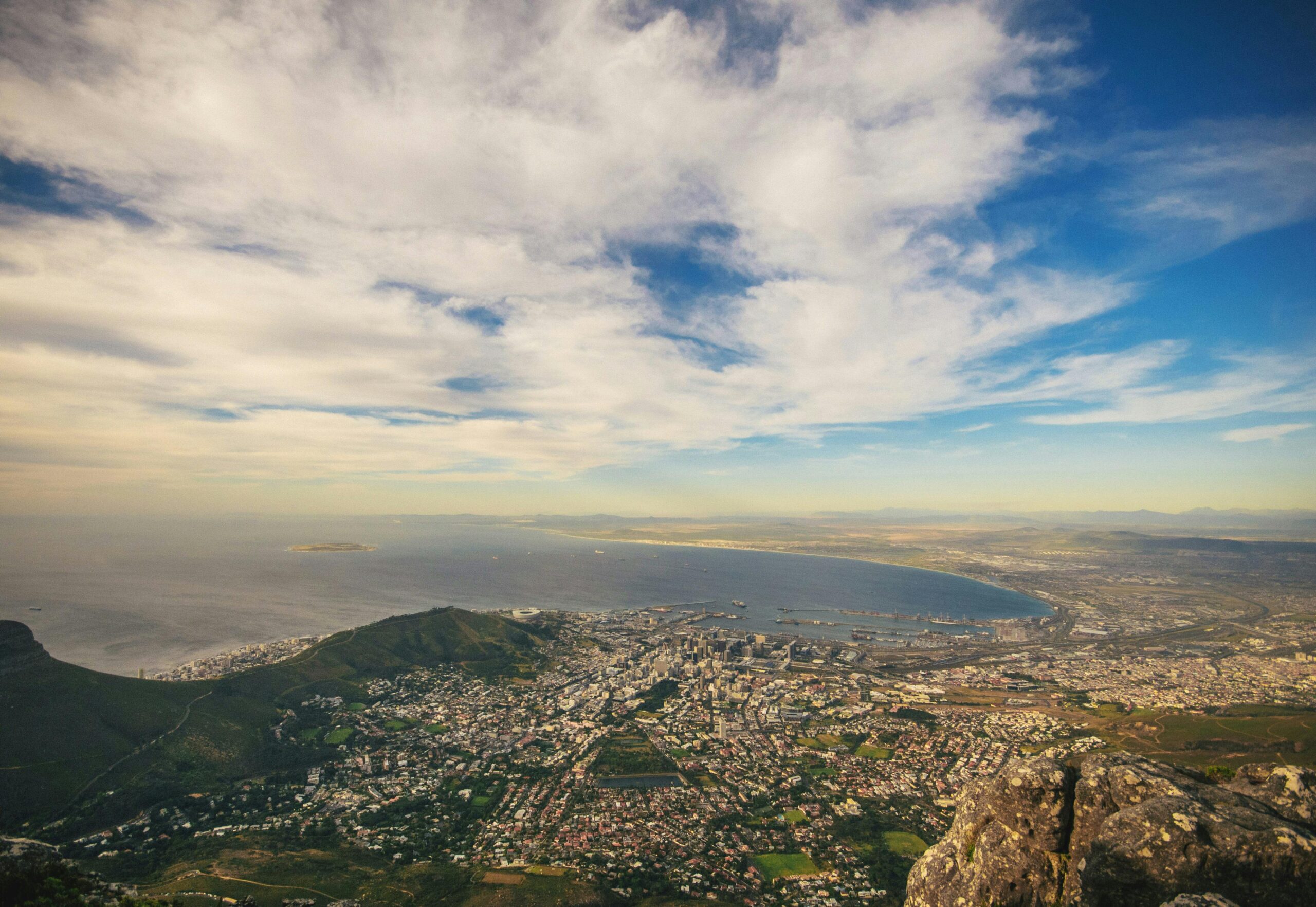
From cage diving with great white sharks to trekking the Drakensberg Mountains, South Africa has long been synonymous with adventure. Now, that reputation is translating into serious economic power.
Adventure tourism is estimated to be fueling a $1.5 billion boost to South Africa’s economy, positioning the country as one of the leading outdoor and high-experience destinations in the Global South. But the headline figure only tells part of the story. Beyond direct spending, the sector is reshaping rural economies, supporting conservation efforts, and redefining how the country markets itself to the world.
Adventure tourism in South Africa is no longer a niche — it’s a pillar of economic strategy.

1. What counts as adventure tourism?
Adventure tourism encompasses travel experiences that involve:
- Physical activity (hiking, surfing, climbing)
- Nature-based environments (safaris, marine excursions)
- Cultural immersion in remote regions
- Perceived risk or adrenaline elements
In South Africa, the sector spans:
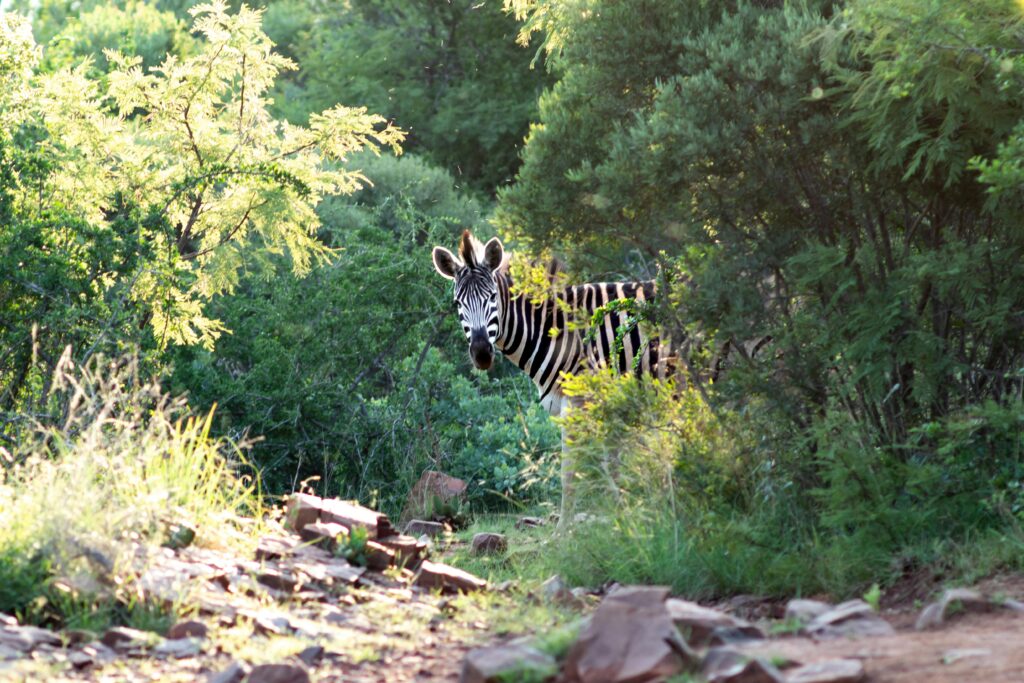
- Safari expeditions in Kruger National Park
- Shark cage diving in Gansbaai
- Bungee jumping at Bloukrans Bridge
- Surfing in Jeffrey’s Bay
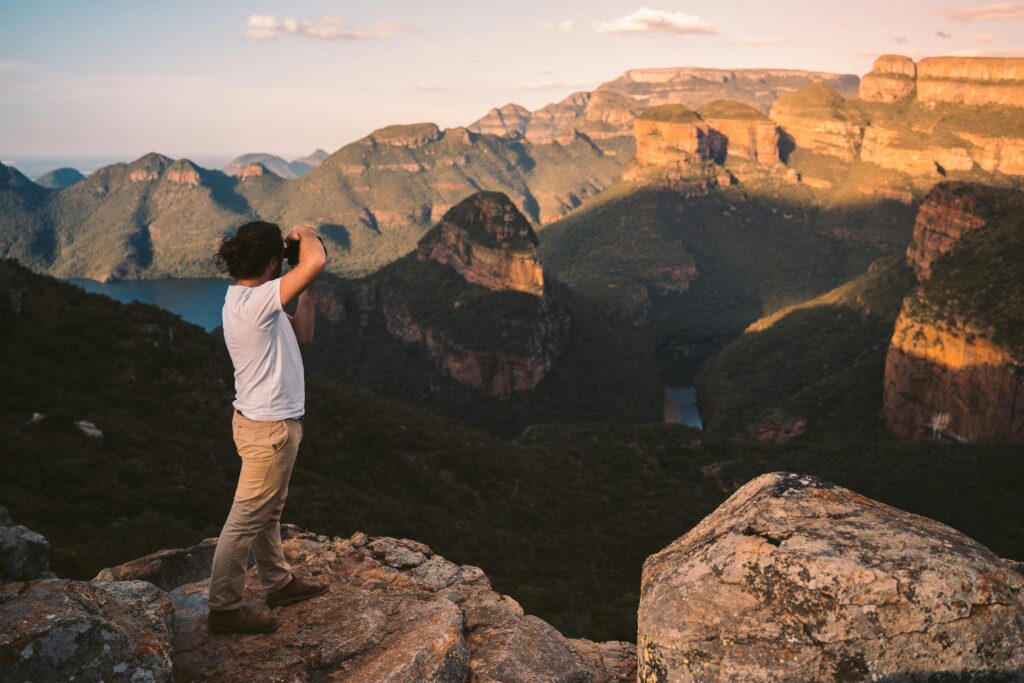
- Mountain trekking in the Western Cape
- Wildlife photography tours
These experiences attract both international thrill-seekers and domestic travelers.
2. The $1.5 billion impact — what it really includes
The estimated $1.5 billion economic contribution reflects more than ticket sales.
It includes:
- Direct spending on tours and guides
- Accommodation in lodges and rural guesthouses
- Transport services and vehicle rentals
- Equipment rental and outdoor gear purchases
- Food, retail, and entertainment spending
Adventure travelers tend to spend more per trip than average leisure tourists because experiences often require specialized services and extended stays.
3. Rural and community-level benefits
One of adventure tourism’s strongest advantages is its geographic spread.
Unlike urban-based tourism, adventure activities often occur in:
- Rural villages
- Coastal towns
- Mountain communities
- Conservation zones
This decentralization helps distribute income beyond major cities like Johannesburg and Cape Town, supporting:
- Local guides
- Community-owned lodges
- Craft markets
- Transportation providers
For many rural communities, adventure tourism represents a critical source of employment.
4. Conservation and wildlife protection incentives
Adventure tourism, especially safari-based travel, is closely linked to conservation economics.
Revenue supports:
- National park management
- Anti-poaching initiatives
- Habitat restoration
- Wildlife research
When communities see financial benefits tied to wildlife preservation, conservation becomes economically viable rather than abstract.
However, this balance requires careful oversight to avoid over-commercialization.
5. Why South Africa is uniquely positioned
Several structural advantages fuel growth:
- Diverse ecosystems in a single country
- Well-developed tourism infrastructure
- Strong international air connectivity
- Established safety standards in major adventure sectors
- English as a widely spoken language
South Africa offers a combination of accessibility and wildness that few destinations match.
6. The role of international travelers
International tourists account for a significant share of adventure tourism revenue.
Key source markets include:
- Europe
- North America
- Australia
- Other African nations
These visitors often seek bucket-list experiences — such as Big Five safaris — and are willing to pay premium prices.
Currency exchange advantages can also make South Africa comparatively affordable.
7. Domestic tourism’s growing contribution
While international travel garners attention, domestic adventure tourism is expanding.
Young South Africans increasingly engage in:
- Surf culture
- Hiking communities
- Adventure races
- Eco-tourism weekends
This domestic participation stabilizes the sector during global downturns.
8. Infrastructure and safety challenges
Scaling adventure tourism brings pressure.
Challenges include:
- Road and transport infrastructure in rural regions
- Safety standards across independent operators
- Environmental degradation from overuse
- Water and resource management in high-traffic areas
Regulation and oversight are essential to maintaining international credibility.
9. Sustainability concerns
Adventure tourism depends on intact natural environments.
Risks include:
- Coastal erosion
- Wildlife disturbance
- Trail damage in mountain ecosystems
- Carbon emissions from long-haul travel
Balancing growth with environmental stewardship will determine long-term sustainability.
10. Marketing South Africa as an adventure brand
South Africa increasingly positions itself globally as:
- A multi-experience destination
- A year-round adventure hub
- A location blending culture, cuisine, and outdoor exploration
Digital marketing, influencer campaigns, and event-based tourism (like endurance races) amplify this brand identity.
11. Employment and skills development
Adventure tourism supports jobs across skill levels:
- Certified guides and instructors
- Hospitality staff
- Conservation workers
- Equipment technicians
- Digital marketing professionals
Training and certification programs help professionalize the industry and ensure safety standards.
12. The future outlook
With global demand for experiential travel rising, South Africa’s adventure tourism sector is well-positioned.
Future growth may include:
- Expanded eco-lodge networks
- Sustainable tourism certifications
- Increased African regional travel
- Integration of cultural storytelling with adventure packages
If managed responsibly, the sector could exceed its current economic footprint.
Conclusion: More than thrills — a strategic growth engine
Adventure tourism in South Africa is not merely about adrenaline. It is about economic diversification, rural development, conservation funding, and global branding.
The $1.5 billion impact underscores its scale — but the true value lies in how it connects landscapes, livelihoods, and international visibility.
As global travelers seek meaning and movement, South Africa’s wild spaces are becoming both playground and economic powerhouse.
Frequently Asked Questions (FAQ)
1. What is adventure tourism?
Travel involving physical activity, nature, and experiential exploration.
2. How much does adventure tourism contribute to South Africa?
Approximately $1.5 billion in economic impact.
3. Which activities are most popular?
Safaris, shark diving, surfing, hiking, and bungee jumping.
4. Does adventure tourism benefit rural areas?
Yes. Many activities are based in non-urban regions.
5. How does it support conservation?
Tourism revenue funds park management and anti-poaching efforts.
6. Are there sustainability risks?
Yes, including environmental strain and infrastructure pressure.
7. Is domestic tourism growing?
Yes, particularly among younger travelers.
8. Is South Africa safe for adventure travelers?
Major operators maintain safety standards, but travelers should research providers carefully.
9. What are the main source markets?
Europe, North America, Australia, and regional African countries.
10. Will the sector continue to grow?
Likely, if sustainability and infrastructure are managed effectively.
Sources Business Insider Africa

