
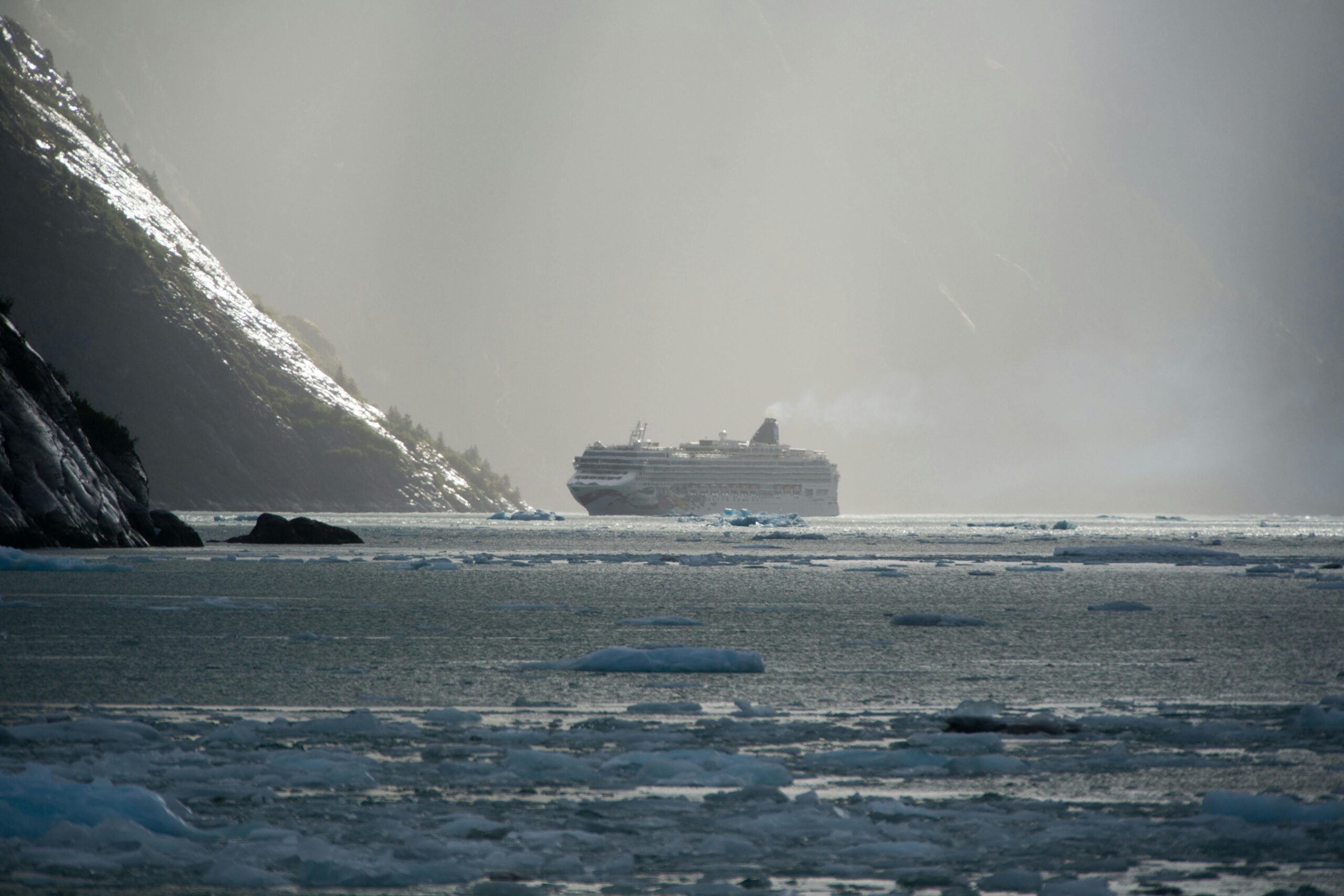
At first glance, it is just an empty gravel lot — a patch of open ground in downtown Juneau, framed by mountains, waterfront views, and the steady rhythm of cruise ships docking each summer.
But in a city where tourism drives much of the local economy, even a vacant lot represents opportunity.
As city leaders, developers, and residents debate what could rise on the site, the conversation reveals something bigger than construction plans. It reflects Juneau’s ongoing effort to balance economic dependence on cruise tourism with community identity, environmental preservation, and downtown livability.
The question is not simply what to build — but what kind of visitor experience Juneau wants to create.
Juneau’s Unique Tourism Landscape
Juneau is unlike most state capitals in the United States. It is not connected to the road system. Visitors typically arrive by:
- Cruise ship
- Airplane
- Ferry
During peak summer season, thousands of cruise passengers can disembark in a single day. For a city of roughly 30,000 residents, that influx is transformative.
Tourism supports:
- Retail shops
- Tour operators
- Whale watching excursions
- Glacier tours
- Restaurants and cafés
- Transportation services
But cruise-driven tourism is highly seasonal and heavily concentrated near the waterfront.
Why an Empty Lot Matters
In high-traffic tourist corridors, land is scarce and strategically valuable.
A centrally located gravel lot offers possibilities such as:
- A cultural center or museum
- A waterfront park or public gathering space
- A performance venue
- A visitor services hub
- Retail or mixed-use development
- Indigenous cultural installations
Each option carries economic and symbolic weight.
Downtown space in Juneau is limited by geography — mountains on one side, water on the other. Every development decision is amplified.
Cruise Tourism’s Double-Edged Sword
Cruise tourism provides vital revenue, but also raises concerns.
Economic benefits include:
- Sales tax generation
- Job creation
- Small business growth
Challenges include:
- Congestion during peak hours
- Strain on infrastructure
- Environmental impact
- Rising housing costs
- Seasonal economic volatility
An attraction built on the lot could either deepen reliance on cruise traffic or diversify the visitor experience.
Community Voices and Local Identity
In small cities, development decisions are deeply personal.
Residents often ask:
- Will this project benefit locals year-round?
- Does it reflect Juneau’s heritage?
- Will it preserve access to waterfront views?
- Does it increase overcrowding?
Public consultation processes play an essential role in determining the lot’s future.
Balancing tourist appeal with local quality of life is central to the debate.
The Case for a Cultural Attraction
Juneau is rich in Indigenous Tlingit, Haida, and Tsimshian heritage.
A thoughtfully designed cultural center could:
- Showcase Indigenous art and storytelling
- Provide educational programming
- Offer year-round community space
- Generate tourism revenue beyond retail
Such a project could elevate Juneau’s identity beyond a cruise stop and toward a destination with deeper cultural engagement.
Public Space vs. Commercial Development
Another possibility is preserving the lot as open space.
A waterfront park or gathering area could:
- Reduce crowding on adjacent streets
- Offer scenic rest areas for visitors
- Host seasonal markets and events
- Improve downtown aesthetics
Commercial development, meanwhile, may maximize tax revenue but reduce public access.
The trade-off between civic space and commercial yield is common in tourist-heavy cities.
Infrastructure and Climate Considerations
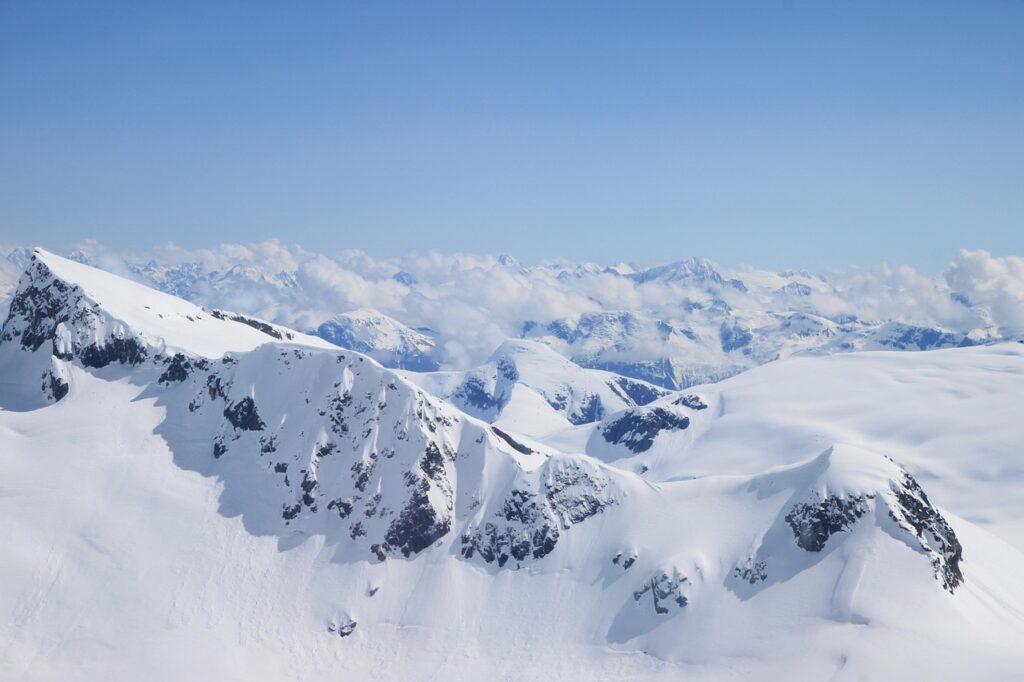
Alaska’s climate presents unique planning challenges:
- Snow load requirements
- Freeze-thaw cycles
- Environmental resilience
- Sea level rise concerns
Any development must account for sustainability and long-term durability.
Additionally, climate change is affecting Alaska disproportionately, making environmental stewardship a critical planning factor.
Diversifying Beyond Cruise Season
Juneau’s economy remains highly seasonal.
An attraction designed for:
- Winter events
- Local arts programming
- Conference hosting
- Educational workshops
could help stabilize economic activity beyond summer.
Year-round activation reduces dependence on cruise arrivals.
The Financial Reality
Funding for such a project may involve:
- Public-private partnerships
- Municipal bonds
- State or federal grants
- Tourism tax revenue
- Philanthropic contributions
Financial feasibility studies will determine what is realistic.
In smaller markets, ambitious projects must align carefully with projected visitor demand.
Lessons from Other Port Cities
Other cruise-dependent towns have pursued similar redevelopment efforts.
Some have:
- Built maritime museums
- Created interactive cultural districts
- Invested in pedestrian-friendly waterfronts
The most successful projects typically blend:
- Authentic local storytelling
- Flexible event space
- Commercial viability
- Community benefit
Juneau’s decision may shape its tourism model for decades.
A Symbolic Opportunity
An empty gravel lot may seem insignificant. But in a constrained, high-visibility downtown, it becomes symbolic.
It represents:
- The future direction of tourism
- A statement about local priorities
- A test of sustainable development
- An opportunity for innovation
The transformation — or preservation — of that space will signal how Juneau envisions its role in Alaska’s evolving visitor economy.
Conclusion: More Than Just a Construction Site
What happens to the gravel lot in downtown Juneau will reflect more than architectural plans. It will reflect a community negotiating its relationship with tourism, growth, and identity.
In a city defined by its natural beauty and seasonal rhythms, development must tread carefully.
Whether the lot becomes a cultural landmark, a public park, or a commercial hub, one thing is clear: in Juneau, even empty space carries weight.
Frequently Asked Questions (FAQ)
1. Why is the gravel lot important?
Because it occupies prime downtown space near cruise docks and represents significant development potential.
2. What could be built there?
Possibilities include cultural centers, parks, retail spaces, or mixed-use developments.
3. How does cruise tourism affect Juneau?
It drives major seasonal revenue but also brings congestion and infrastructure strain.
4. Are residents involved in the decision?
Public consultation and city planning processes typically shape outcomes.
5. Could the lot help diversify the economy?
Yes, especially if developed as a year-round attraction.
6. Is environmental impact a concern?
Yes, especially in a sensitive coastal and Arctic-influenced environment.
7. Does Juneau rely heavily on tourism?
Yes, particularly during cruise season.
8. Could the lot remain a public space?
That is one option under discussion.
9. How is such a project funded?
Through combinations of public funds, private investment, and tourism revenue.
10. What is the key takeaway?
The future of this site will shape not just downtown aesthetics, but Juneau’s long-term tourism identity.
Sources KTOO

