
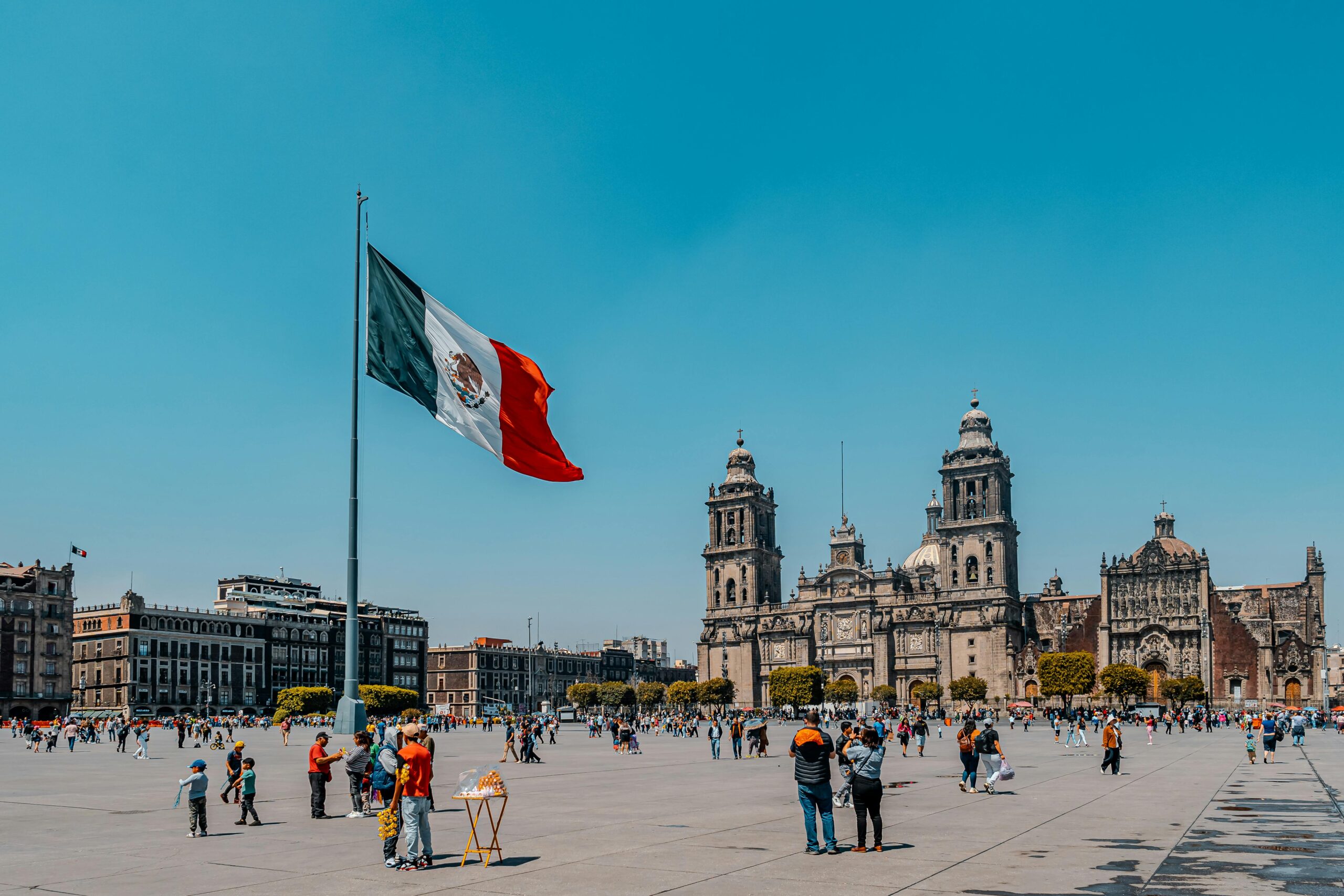
Hundreds of travelers recently found themselves stranded in Mexico following a major disruption that affected flights and ground transportation, leaving tourists scrambling for accommodations, rebookings, and information. While initial coverage focused on the immediate logistical chaos, the incident highlights broader vulnerabilities in international travel — from airline coordination and infrastructure strain to emergency communication systems.
This article takes a deeper look at what likely led to the disruption, how it affected travelers and local economies, and what lessons both tourists and authorities can draw moving forward.

What Happened?
According to reports, tourists were left stranded in parts of Mexico after transportation routes were interrupted. Flight cancellations, delays, or airport disruptions caused a cascade effect, leaving passengers unable to return home as scheduled.
Travelers reported:
- Long lines at airport service desks
- Difficulty accessing real-time updates
- Limited hotel availability near airports
- Confusion about rebooking policies
- Extended waits for alternative transport
In some cases, travelers were forced to arrange last-minute accommodations at higher-than-normal rates due to increased demand.
Possible Causes Behind the Disruption
Although each travel disruption has unique triggers, several factors commonly contribute to large-scale stranding events:
1. Weather Events
Mexico is vulnerable to hurricanes, tropical storms, and sudden severe weather patterns that can halt flights and shut down airports with little warning.
2. Airline Operational Issues
Staff shortages, aircraft maintenance problems, scheduling breakdowns, or air traffic control constraints can trigger widespread cancellations.
3. Infrastructure Strain
Popular tourist hubs often operate at high capacity. During peak seasons, even minor delays can escalate quickly into major disruptions.
4. Security or Safety Incidents
Government advisories, security concerns, or regional instability may temporarily restrict travel routes.
5. Technical Failures
Airline reservation systems, airport IT systems, or global booking networks can experience outages, complicating coordination.
Often, stranding events result from a combination of factors rather than a single cause.
Immediate Impact on Travelers
Being stranded abroad presents a range of challenges:
Financial Pressure
Unexpected hotel stays, meal expenses, transportation costs, and rebooking fees can add up quickly. While some airlines provide vouchers or compensation, policies vary widely.
Emotional Stress
Uncertainty about when one can return home can cause anxiety — especially for families with children, elderly travelers, or individuals with medical needs.
Logistical Complications
Missed connecting flights, work obligations, visa constraints, and travel insurance paperwork create additional stress.
The Economic Ripple Effect
Travel disruptions affect more than individual passengers.
For Airlines
- Rebooking costs
- Compensation claims
- Brand reputation damage
- Operational recovery expenses
For Local Businesses
While stranded travelers may temporarily boost hotel occupancy and restaurant sales, cancellations from incoming tourists can offset gains.
For Tourism Authorities
Repeated disruptions can influence international perceptions of reliability and safety, potentially affecting future visitor numbers.

Mexico’s Role as a Major Tourist Destination
Mexico consistently ranks among the world’s most visited countries. Popular destinations such as Cancun, Puerto Vallarta, Los Cabos, and Mexico City depend heavily on international visitors, particularly from the United States and Canada.
Strong air connectivity is central to maintaining tourism flows. When transportation systems falter, even briefly, the ripple effects can extend globally.
How Airlines and Governments Typically Respond
In major disruption scenarios, responses may include:
- Deploying additional flights once conditions stabilize
- Waiving change and cancellation fees
- Offering meal or hotel vouchers
- Coordinating with foreign embassies
- Increasing customer service staffing
However, response speed varies depending on the scale of the disruption and available resources.
Governments may also issue updated travel advisories and monitor airport conditions closely.
The Role of Travel Insurance
Many stranded travelers discover too late that their insurance coverage may not fully cover delays or cancellations.
Policies vary significantly. Some cover:
- Trip interruption
- Emergency accommodations
- Meal expenses
- Alternative transportation
Others provide limited benefits depending on the cause of delay.
Understanding policy details before departure is critical.
Lessons for Future Travel
While no traveler can eliminate all risk, preparation reduces vulnerability.
1. Purchase Comprehensive Travel Insurance
Ensure coverage includes trip interruption and delay benefits.
2. Book Flexible Tickets
Refundable or changeable tickets offer greater flexibility during disruptions.
3. Maintain Emergency Funds
Unexpected travel extensions can require immediate out-of-pocket spending.
4. Monitor Airline Apps and Alerts
Airlines often update mobile apps faster than airport announcements.
5. Register with Your Embassy
Programs such as traveler registration services allow embassies to communicate during emergencies.
Broader Travel Industry Challenges
Global travel has rebounded strongly in recent years, but infrastructure has struggled to keep pace. Airlines and airports worldwide face:
- Staffing shortages
- Aging systems
- High passenger volumes
- Weather volatility linked to climate change
As demand continues to grow, resilience planning becomes increasingly important.
Frequently Asked Questions
Why were tourists stranded in Mexico?
Travel disruptions — such as flight cancellations, weather events, or operational issues — prevented scheduled departures.
How long were travelers delayed?
Delays ranged from several hours to multiple days, depending on individual flight schedules and rebooking availability.
Did airlines provide compensation?
Compensation policies vary by airline and cause of disruption. Some offer vouchers or rebooking assistance.
Should travelers cancel future trips to Mexico?
Mexico remains a major tourist destination. Travelers should monitor official advisories but isolated disruptions do not necessarily indicate long-term instability.
Does travel insurance cover stranded passengers?
Some policies cover delays and trip interruptions, but coverage depends on policy terms and cause of disruption.
What is the best way to prepare for travel disruptions?
Purchase insurance, book flexible fares, monitor airline updates, maintain emergency funds, and allow buffer time between connections.
Are such events becoming more common?
With increasing global travel demand and climate-related weather variability, disruptions may be occurring more frequently.
Moving Forward
Travel disruptions are an unfortunate reality of modern global mobility. While the recent stranding of tourists in Mexico caused frustration and financial strain, it also underscores the importance of resilience — both personal and systemic.
Airlines and tourism authorities must continue investing in infrastructure, staffing, and communication systems. Meanwhile, travelers can protect themselves through preparation and informed decision-making.
As international travel continues to expand, managing disruptions effectively will be key to maintaining confidence in one of the world’s most interconnected industries.

Sources CNN

