
After years of slow recovery, Japanese tourism to Hawaiʻi is showing renewed momentum in 2026. While visitor numbers have not yet returned to pre-pandemic highs, the recent uptick signals cautious optimism for one of Hawaiʻi’s most historically important international markets.
For decades, Japan has been a cornerstone of Hawaiʻi’s visitor industry — shaping everything from retail offerings in Waikīkī to airline route networks and cultural programming. The rebound, though gradual, carries significant implications for hotels, airlines, retailers, and the broader state economy.
This article examines the factors driving the increase, the challenges that remain, and what the future may hold for Hawaiʻi–Japan travel ties.
A Historically Vital Market
Before the pandemic, Japan was consistently Hawaiʻi’s largest international visitor source. Japanese travelers were known for:
- Longer average stays
- High per-visitor spending
- Strong interest in shopping and dining
- Repeat visitation
- Preference for package tours and group travel
At peak levels, Japanese visitors accounted for a substantial share of international arrivals and contributed billions annually to the state’s economy.
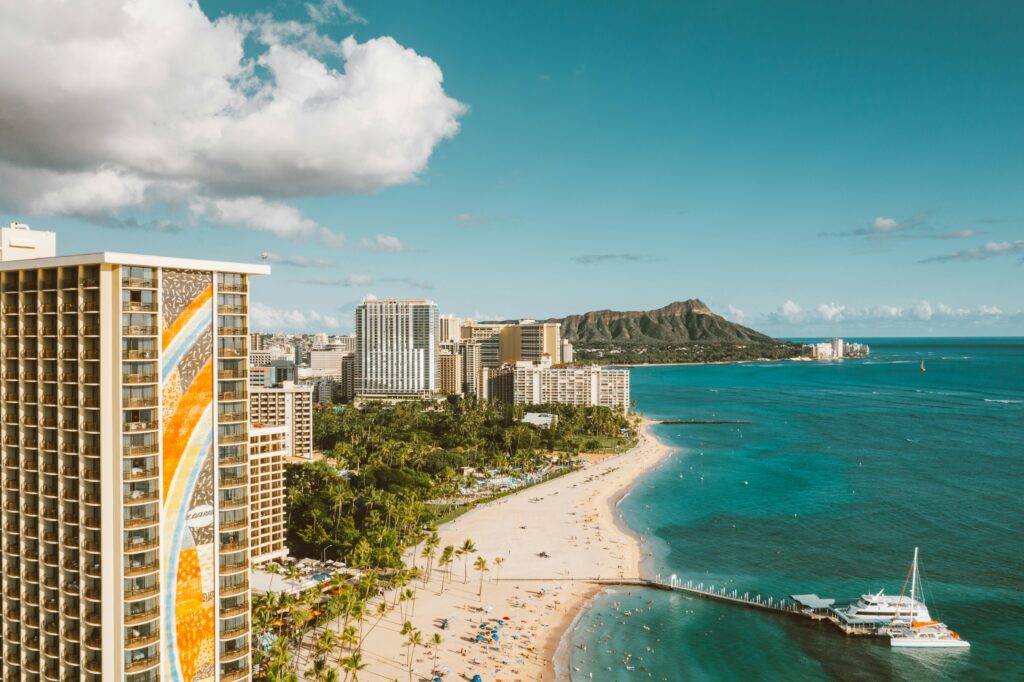
Entire segments of Waikīkī’s retail and hospitality landscape evolved to cater to Japanese travelers, including Japanese-language services, curated shopping experiences, and specialty dining options.
Why Japanese Tourism Declined
Japanese arrivals fell sharply beginning in 2020 due to:
- Strict outbound travel restrictions in Japan
- Border controls and quarantine policies
- Reduced airline capacity
- A weakened Japanese yen
- Shifts in consumer confidence
Even after borders reopened, recovery lagged behind domestic U.S. tourism and other international markets.
Currency exchange rates played a major role. A strong U.S. dollar made Hawaiʻi vacations significantly more expensive for Japanese travelers.
Signs of Improvement in 2026
Recent data indicates:
- Increased flight capacity between Japan and Honolulu
- Gradual recovery in group tours
- Higher booking volumes for peak travel periods
- Renewed marketing campaigns targeting Japanese consumers
Airlines have restored certain direct routes and added seasonal frequencies. Travel agencies in Japan report improved interest, particularly among repeat Hawaiʻi visitors.
While visitor numbers remain below 2019 levels, the upward trend suggests renewed confidence.
Airline Capacity and Connectivity
Air service is central to recovery.
Key developments include:
- Expanded direct flights from Tokyo, Osaka, and other regional cities
- Strategic partnerships between U.S. and Japanese carriers
- Promotional airfare campaigns
Airline capacity often precedes visitor growth; as more seats become available, tourism flows can accelerate.
However, aviation fuel costs and global demand fluctuations may influence route sustainability.
Spending Patterns and Market Shifts
Even as arrivals increase, spending patterns may differ from pre-pandemic norms.
Trends include:
- More independent travelers rather than large group tours
- Increased use of digital booking platforms
- Greater price sensitivity due to currency exchange rates
- Interest in experiential travel beyond traditional shopping
Luxury retail remains important, but visitors are increasingly drawn to:
- Nature-based experiences
- Cultural immersion
- Culinary tourism
- Wellness and relaxation
This shift may require adaptation from businesses that historically relied on high-volume shopping tours.
The Currency Factor
The yen’s exchange rate relative to the U.S. dollar continues to influence demand.
A weaker yen makes:
- Hotel stays more expensive
- Dining and shopping costlier
- Activities and tours less affordable
Currency stabilization or strengthening could accelerate recovery further.
Competition from Other Destinations
Japanese travelers have numerous alternatives, including:
- Southeast Asia
- Australia
- Domestic travel within Japan
- European destinations
Hawaiʻi’s brand strength remains powerful, but price competitiveness plays a significant role in destination choice.
Cultural Ties and Long-Term Loyalty
Hawaiʻi holds unique cultural significance in Japan. Shared history, long-standing family ties, and strong brand recognition contribute to enduring loyalty.
Japanese visitors often describe Hawaiʻi as:
- Familiar yet exotic
- Safe and welcoming
- Culturally comfortable
- Easily navigable
Many hotels and retailers maintain Japanese-language staff and services to preserve this appeal.
Economic Implications for Hawaiʻi
A full recovery of Japanese tourism would benefit:
- Luxury retailers in Waikīkī
- High-end hotels
- Tour operators
- Cultural attractions
- Airlines and airport services
International visitors often spend more per trip than domestic travelers, amplifying economic impact.
However, Hawaiʻi’s tourism strategy has also shifted toward diversification and sustainability, reducing overreliance on any single market.
Challenges Ahead
Despite progress, several uncertainties remain:
- Global economic volatility
- Exchange rate fluctuations
- Airline capacity constraints
- Competition from other destinations
- Changing traveler preferences
Long-term growth will likely depend on targeted marketing, competitive pricing, and alignment with evolving travel trends.
Frequently Asked Questions
Are Japanese visitor numbers back to pre-pandemic levels?
Not yet. While arrivals are increasing, they remain below 2019 peaks.
Why is Japanese tourism important to Hawaiʻi?
Japanese visitors historically represent one of Hawaiʻi’s largest international markets and contribute significant economic spending.
How does the yen impact travel?
A weaker yen makes U.S. travel more expensive for Japanese tourists, influencing booking decisions.
Are group tours returning?
Yes, but independent travel appears to be growing faster than traditional large group tours.
Which islands benefit most?
Oʻahu, particularly Waikīkī, sees the largest impact due to its retail concentration and direct air connections.
Could numbers continue to rise?
Yes, particularly if exchange rates stabilize and airline capacity expands.
Is Hawaiʻi diversifying beyond Japan?
Yes. State tourism authorities have focused on balancing international markets to reduce dependency on any single country.
Looking Forward
The increase in Japanese tourism to Hawaiʻi signals renewed momentum in a market that has long shaped the islands’ visitor industry. While recovery remains incomplete, strengthening air connectivity, targeted marketing, and deep cultural ties provide a solid foundation for growth.
For Hawaiʻi’s economy, the return of Japanese visitors represents more than improved arrival statistics — it reflects the reactivation of a decades-long partnership rooted in tourism, commerce, and cultural exchange.
If global conditions remain stable, 2026 could mark a turning point in restoring one of Hawaiʻi’s most valuable international travel relationships.
Sources Pacific Business News

