
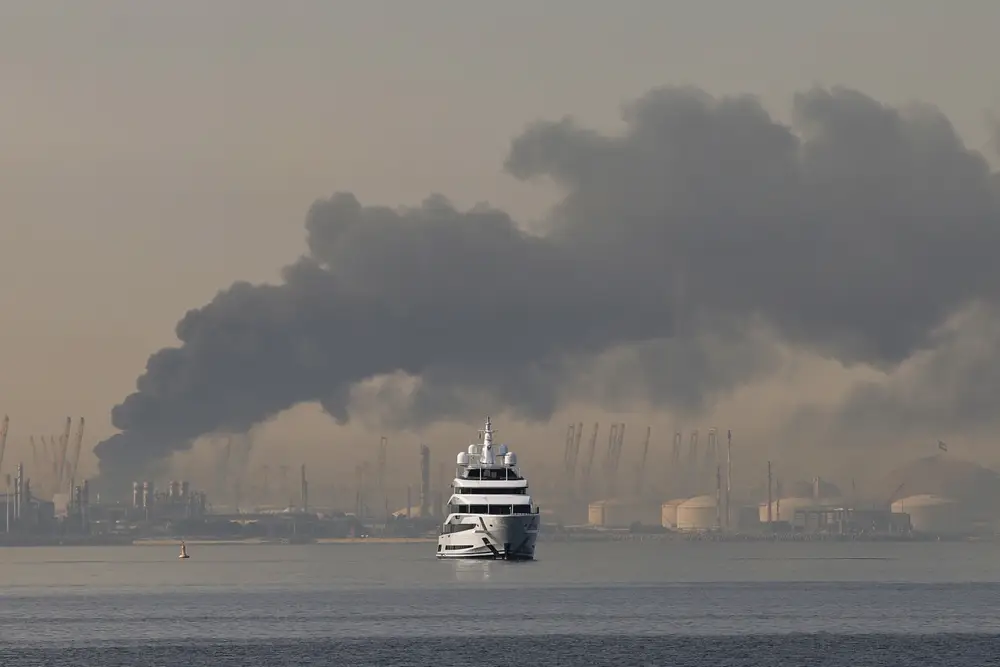
Dubai has long positioned itself as a symbol of stability, opulence, and global connectivity in the Middle East. Its luxury hotels, artificial islands, record-breaking skyscrapers, and high-end retail districts attract millions of visitors each year. But recent reports of damage to a prominent luxury property following a regional airstrike have raised difficult questions about how geopolitical tensions can ripple into even the most carefully curated tourism destinations.
While the physical damage appears limited and authorities have emphasized swift containment and safety measures, the incident underscores a broader reality: in a globally interconnected world, tourism does not exist in isolation from geopolitics.
This article examines what such an event means for Dubai’s luxury tourism sector, investor confidence, traveler perception, and the long-term resilience of destination branding in volatile regions.
Dubai’s Luxury Tourism Model
Dubai’s tourism economy is built on several key pillars:
- High-end hospitality and branded luxury hotels
- International air connectivity through major global hubs
- Safety and security reputation
- Large-scale events and exhibitions
- Tax-free shopping and premium retail
- Iconic architectural landmarks
The Palm Jumeirah — home to some of the city’s most prestigious resorts — represents the pinnacle of Dubai’s luxury tourism offering. Properties in this district cater to affluent leisure travelers, celebrities, corporate executives, and international event attendees.
The city’s brand identity relies heavily on the perception of stability and seamless service.
Immediate Impacts of Regional Conflict
Even when physical damage is limited, regional military activity can affect tourism in several ways:
1. Perception of Safety
Travel decisions are influenced as much by perception as by reality. Images of damaged buildings or reports of airspace activity can create anxiety among prospective travelers.
2. Insurance and Operating Costs
Hotels in affected regions may face:
- Increased insurance premiums
- Heightened security costs
- Temporary booking cancellations
- Revenue disruptions
3. Air Travel Disruptions
Regional conflicts can impact:
- Flight routes
- Airline insurance coverage
- Passenger demand
- Airspace closures
Dubai’s position as a global aviation hub means airspace stability is critical.
Resilience of Dubai’s Tourism Infrastructure
Dubai has historically demonstrated resilience in the face of regional volatility. Several factors support its ability to recover quickly:
- Strong government coordination
- Rapid infrastructure repair capabilities
- Advanced security systems
- Diversified visitor markets
- Significant financial reserves
In previous regional crises, Dubai maintained airport operations and hotel occupancy levels better than many neighboring destinations.
Luxury Tourism and Risk Perception
Luxury travelers tend to prioritize:
- Safety
- Service continuity
- Privacy
- Predictability
High-net-worth individuals often rely on concierge services, private aviation, and personalized security assessments.
If geopolitical tensions escalate, some luxury travelers may temporarily shift to alternative destinations perceived as more insulated from conflict.
However, Dubai’s strong hospitality brand and swift crisis management often mitigate prolonged reputational damage.
Investor and Developer Considerations
Dubai’s hospitality sector is heavily invested in by international brands and real estate developers.
Potential concerns include:
- Short-term booking volatility
- Fluctuations in property values
- Construction delays
- Insurance cost increases
However, long-term investment strategies typically factor in geopolitical risk assessments.
Luxury real estate markets often rebound quickly if broader stability remains intact.
The Role of Government Communication
Transparent and timely communication plays a central role in preserving traveler confidence.
Authorities typically focus on:
- Confirming guest safety
- Demonstrating rapid response capabilities
- Coordinating with airlines and embassies
- Reassuring international partners
Clear messaging can prevent isolated incidents from escalating into broader tourism slowdowns.
Global Context: Tourism in Geopolitical Hotspots
Dubai is not alone in navigating tourism amid regional tension.
Other destinations that have faced similar challenges include:
- Israel
- Turkey
- Egypt
- Thailand
- France during periods of unrest
Research shows that tourism often rebounds quickly if:
- Incidents are isolated
- Infrastructure remains intact
- No sustained travel advisories are imposed
Short-term dips in arrivals may be followed by strong recovery once stability is reaffirmed.
Long-Term Outlook for Dubai
Dubai’s competitive advantages include:
- World-class airport connectivity
- Strong ties to European, Asian, and African markets
- Diversified visitor segments (business, leisure, medical tourism)
- Year-round events and exhibitions
Unless regional tensions escalate significantly, most analysts expect Dubai’s tourism fundamentals to remain strong.
The luxury hospitality sector in particular benefits from brand loyalty and repeat visitation.
The Psychological Factor in Travel
Modern travelers are highly connected through social media and real-time news. Images circulate instantly, shaping perceptions globally.
However, travel behavior often reflects a balance between:
- Risk tolerance
- Price incentives
- Trip purpose (leisure vs. business)
- Official government advisories
Luxury travelers often make decisions based on trusted advisors rather than headlines alone.
Frequently Asked Questions
Was the damage extensive?
Reports indicate damage to a luxury property, but large-scale structural collapse or prolonged shutdowns were not reported.
Is Dubai safe for travelers?
Dubai maintains a strong security infrastructure and has historically ranked among the safer major global cities.
Will airlines suspend flights?
Flight operations typically depend on airspace conditions. As long as airports remain operational, most routes continue.
Could this impact hotel prices?
Short-term volatility may lead to promotional pricing if bookings decline temporarily.
Are travel advisories likely?
Advisories depend on broader geopolitical developments. Isolated incidents do not automatically trigger long-term warnings.
How quickly can tourism recover?
Historically, Dubai has demonstrated rapid recovery from regional shocks.
Should travelers cancel upcoming trips?
Travel decisions should consider official advisories and personal risk tolerance. Many incidents do not result in sustained disruption.
Conclusion
Luxury tourism thrives on predictability and trust. While regional geopolitical tensions can momentarily disrupt that perception, Dubai’s track record suggests resilience and rapid stabilization.
The recent incident highlights a fundamental truth: even the most polished tourism hubs operate within broader geopolitical realities.
For Dubai, the path forward will likely depend on continued security coordination, clear communication, and sustained global connectivity.
In an interconnected world, tourism is never immune to political currents. But destinations with strong infrastructure, diversified markets, and decisive governance often weather such storms — restoring both confidence and occupancy in the process.
Sources Business Insider

