

Tourism has become one of the most important pillars of economic diversification across the Gulf region. Over the past two decades, countries such as the United Arab Emirates, Saudi Arabia, Qatar, and Oman have invested hundreds of billions of dollars to transform their economies from oil-dependent systems into global tourism hubs.
However, escalating tensions involving Iran have raised concerns that regional instability could disrupt these ambitions. Even limited military incidents or heightened geopolitical risk can undermine years of investment in tourism infrastructure, international marketing, and aviation connectivity.
As the Gulf continues its push to become a global travel powerhouse, the intersection between geopolitics and tourism has become increasingly visible.
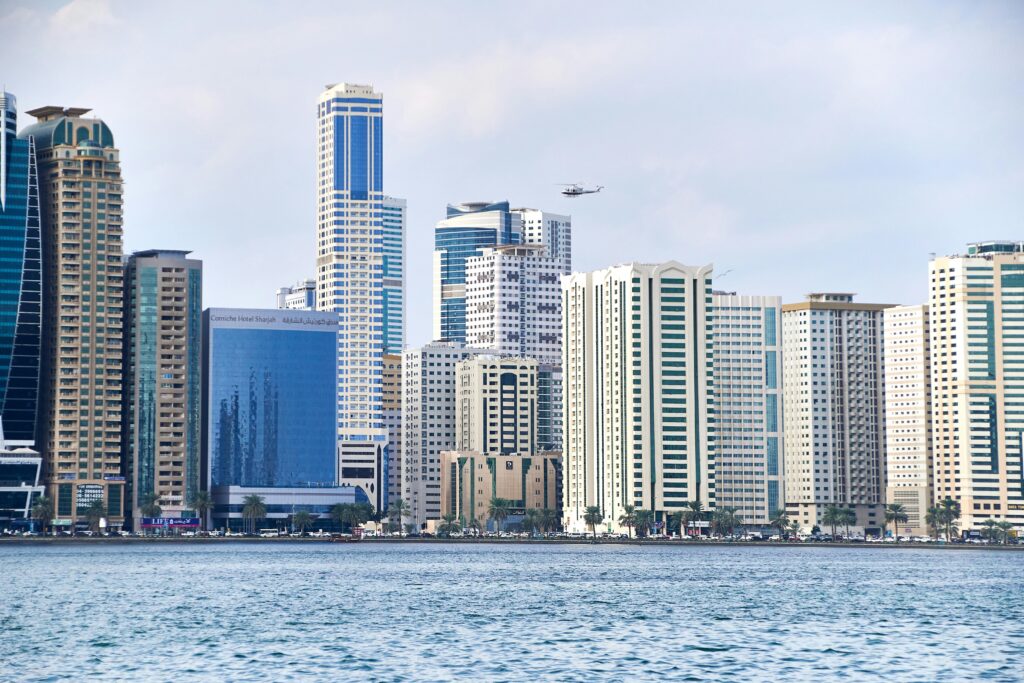
The Gulf’s Massive Tourism Investments
Over the last two decades, Gulf states have pursued ambitious tourism strategies designed to attract millions of international visitors.
Key initiatives include:
- Dubai’s luxury tourism ecosystem, including Palm Jumeirah, Burj Khalifa, and world-class shopping districts
- Saudi Arabia’s Vision 2030 projects, such as NEOM, The Red Sea Project, and historic site restoration in AlUla
- Qatar’s sports and event tourism infrastructure, expanded for the 2022 FIFA World Cup
- Oman’s eco-tourism development, focusing on natural landscapes and heritage sites
- Abu Dhabi’s cultural tourism, featuring museums like the Louvre Abu Dhabi
These projects aim to reduce reliance on oil revenues and position the Gulf as a global travel destination competing with Europe, Southeast Asia, and North America.
Tourism is now seen as a critical engine for job creation, economic diversification, and global soft power.
Why Tourism Is Sensitive to Geopolitical Tensions
Unlike industries such as energy or manufacturing, tourism is highly sensitive to perception.
Even small-scale geopolitical incidents can trigger:
- Flight cancellations or route adjustments
- Travel advisories issued by foreign governments
- Higher insurance costs for airlines and hotels
- Cancellations of major events and conferences
- Declines in international bookings
Travel decisions are often influenced by perceived safety rather than actual risk levels.
If tensions escalate, travelers may choose alternative destinations perceived as more stable.
Aviation: The Backbone of Gulf Tourism
The Gulf’s tourism model relies heavily on aviation.
Major regional airlines — including Emirates, Qatar Airways, Etihad Airways, and Saudia — serve as global connectors linking Europe, Asia, Africa, and the Americas.
These airlines operate massive hub airports in:
- Dubai
- Doha
- Abu Dhabi
- Riyadh
Regional conflict could affect:
- Airspace access
- Flight routes and travel times
- Airline insurance premiums
- Passenger demand
Any disruption to aviation networks could ripple through tourism supply chains.
Luxury Tourism and Investor Confidence
The Gulf has positioned itself as a luxury travel destination offering:
- Ultra-luxury hotels
- High-end shopping
- Global sporting events
- Cultural mega-projects
- Exclusive entertainment experiences
Investors have poured billions into real estate and hospitality developments.
However, geopolitical instability can influence investor confidence.
Luxury tourism, in particular, relies heavily on:
- Safety perception
- Political stability
- Reliable travel infrastructure
A prolonged regional crisis could slow future investment or delay large-scale tourism projects.
Saudi Arabia’s Tourism Transformation
Saudi Arabia represents the most ambitious tourism expansion in the region.
Under Vision 2030, the country aims to attract tens of millions of visitors annually.
Major projects include:
- NEOM, a futuristic city development on the Red Sea
- The Red Sea Project, focusing on regenerative luxury tourism
- Diriyah Gate, a heritage and cultural tourism destination
- AlUla, home to ancient archaeological sites
These projects rely on sustained international tourism growth.
Regional instability could complicate efforts to market Saudi Arabia as a safe and accessible destination.
Historical Resilience of Gulf Tourism
Despite geopolitical tensions in the Middle East over the years, the Gulf tourism sector has often demonstrated resilience.
Several factors contribute to this resilience:
- Strong government financial backing
- Rapid infrastructure development
- Effective crisis management
- High safety standards in major cities
- Diversified visitor markets
Cities like Dubai have recovered quickly from previous regional tensions and global crises.
However, each geopolitical episode tests investor confidence and traveler perception.
Competing Global Destinations
If travelers perceive the Gulf as unstable, they may redirect travel plans to competing destinations such as:
- Southeast Asia (Thailand, Vietnam, Singapore)
- Mediterranean Europe (Greece, Spain, Italy)
- Caribbean resorts
- Australia and New Zealand
Global tourism competition is intense, and destinations must maintain strong safety reputations to remain competitive.
The Role of Media and Public Perception
In the age of social media and real-time news, images of conflict can quickly shape global perceptions.
Even isolated incidents can dominate international headlines, influencing travel decisions worldwide.
Tourism authorities often respond with:
- Rapid public communication
- Safety reassurances
- Marketing campaigns emphasizing stability
- Partnerships with airlines and travel agencies
Managing perception has become almost as important as managing security.
Economic Implications
Tourism contributes significantly to Gulf economies.
Impacts of a slowdown could include:
- Reduced hotel occupancy rates
- Declines in airline passenger volumes
- Lower retail spending in shopping districts
- Postponement of events and conferences
However, the region’s strong financial reserves provide some buffer against short-term downturns.
Frequently Asked Questions
Why is tourism important to Gulf economies?
Many Gulf countries are diversifying their economies away from oil and view tourism as a key long-term growth sector.
How could Iran tensions affect tourism?
Conflict or instability could lead to travel advisories, flight disruptions, and reduced visitor confidence.
Are Gulf cities safe for tourists?
Major cities like Dubai, Doha, and Abu Dhabi maintain strong security systems and generally rank among the safest cities globally.
Could airlines stop flying to the region?
Airlines may adjust routes if airspace restrictions occur, but large aviation hubs typically maintain operations unless conflicts escalate significantly.
Will tourism projects be canceled?
Most long-term projects are backed by government funding and are unlikely to be canceled, though timelines could shift.
How quickly can tourism recover after geopolitical tension?
Tourism often rebounds once stability returns and travel advisories are lifted.
Are investors worried?
Investors monitor geopolitical risk, but the Gulf’s strong economic resources and strategic importance often sustain long-term confidence.
Looking Ahead
The Gulf’s tourism ambitions represent one of the most ambitious economic transformations in modern history. Skyscrapers, artificial islands, heritage restorations, and futuristic cities have reshaped the region’s global image.
Yet tourism remains deeply tied to geopolitical stability. Even modest regional tensions can test the perception of safety that luxury tourism markets depend on.
For Gulf countries, the challenge lies in continuing to build world-class destinations while navigating the complex geopolitical realities of the Middle East.
If stability prevails, the region’s tourism boom may continue. If tensions escalate, however, years of carefully built momentum could face significant headwinds.
Sources Reuters

