
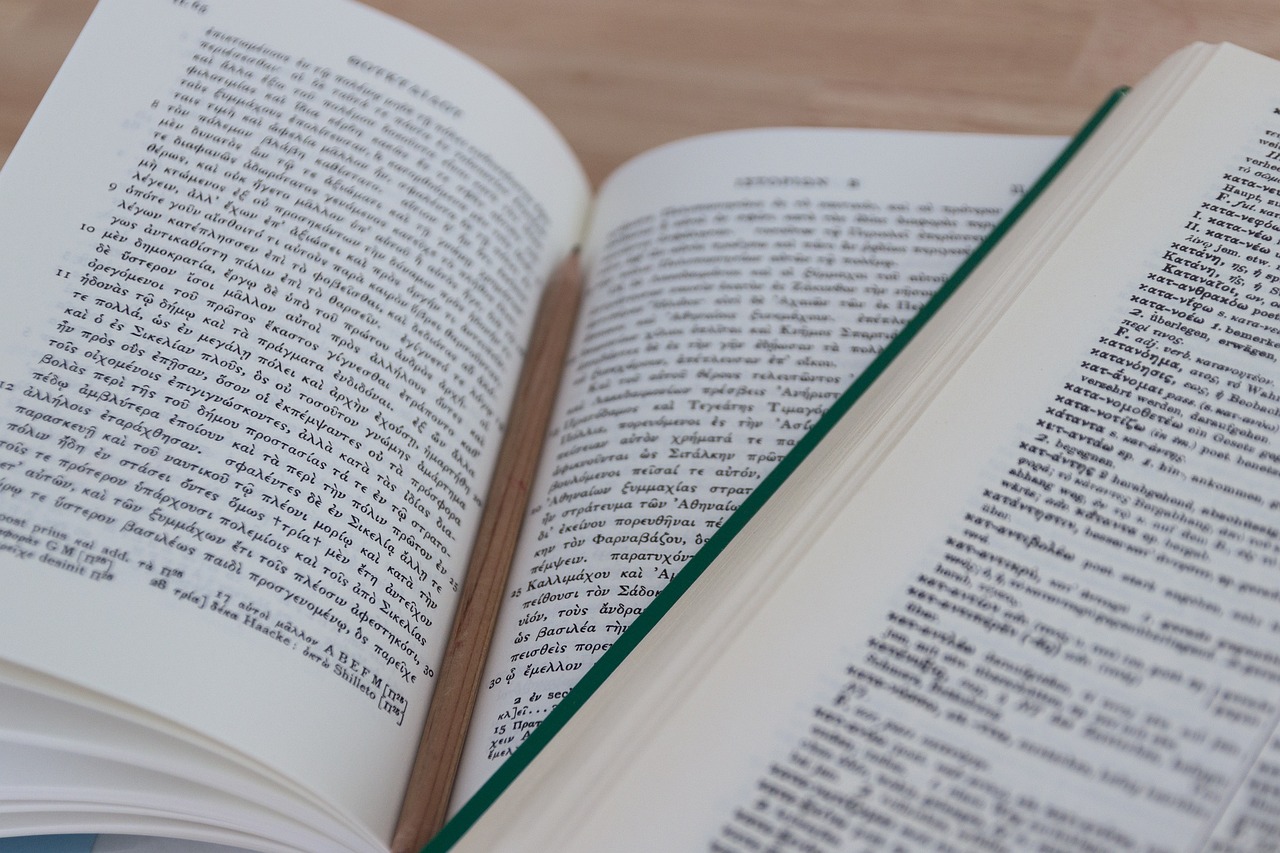
The history of theater is often told through the names of playwrights, directors, and actors whose works shaped cultural movements. Yet behind many of the most influential productions lies a less visible group of contributors: translators. These individuals make it possible for plays to travel across linguistic and cultural borders, enabling audiences worldwide to experience stories originally written in another language.
One such figure who may have been largely forgotten is Ljuba Metzl, a translator whose work appears to have played an important role in bringing European drama to new audiences. However, despite evidence of her contributions, Metzl’s name has faded from many historical records. Scholars now believe that the disappearance of a translation credit may have contributed to her near-erasure from theater history.
This case raises important questions about how translators are credited, how cultural works circulate internationally, and why some contributors vanish from historical narratives.
The Invisible Role of Translators in Theater
Translation has long been essential to the global exchange of theatrical works. Plays originally written in languages such as French, German, Russian, and Spanish often reach international audiences through translated scripts.
Unlike literary translation, theater translation involves additional challenges:
- Dialogue must flow naturally when spoken aloud
- Cultural references must resonate with new audiences
- Humor and wordplay must be adapted effectively
- Stage directions must remain practical for production
In many cases, translators effectively recreate the script rather than simply converting words from one language to another.
Despite this creative labor, translators historically receive less recognition than playwrights or directors.
Who Was Ljuba Metzl?
Ljuba Metzl appears to have been a translator active during the early 20th century, a period when European theater was undergoing dramatic transformation. Modernist movements, political upheaval, and the rise of avant-garde drama created new opportunities for international cultural exchange.
Translators during this era played a crucial role in introducing foreign works to different theatrical traditions.
Evidence suggests that Metzl may have translated works that circulated in theater circles outside their original linguistic context. However, historical documentation about her life remains limited.
Possible reasons for this lack of information include:
- Incomplete archival records
- Gender bias in historical documentation
- Political upheavals in Europe during the 20th century
- Loss of publishing credits in later editions
The case illustrates how fragile historical recognition can be.
How a Translation Credit Disappeared
Scholars investigating Metzl’s work believe that a missing or altered translation credit may have contributed to her disappearance from theater history.
In early theatrical publishing, translation attribution was often inconsistent. Plays were sometimes republished or adapted for new productions without maintaining the original translator’s name.
Possible scenarios include:
- A translation originally credited to Metzl being republished without attribution
- Adaptations that removed translator credits entirely
- Editorial changes during later reprints
- Theater companies staging translations without documenting their sources
Once a name disappears from official records, it becomes increasingly difficult for historians to trace contributions.
The Gender Dimension of Historical Erasure
Another factor that may explain Metzl’s disappearance is gender bias within historical documentation.
Women were heavily involved in translation work throughout the 19th and early 20th centuries. Translation was sometimes viewed as an acceptable intellectual profession for women because it allowed them to participate in literary culture without challenging male dominance in authorship.
However, women’s contributions were frequently minimized or overlooked.
Many female translators:
- Published anonymously
- Used initials instead of full names
- Received little recognition in academic histories
As a result, scholars today are reexamining archival materials to rediscover overlooked female contributors.
Translation as Cultural Mediation
Theater translation involves more than language conversion; it is a form of cultural mediation.
Translators must interpret not only the literal meaning of a text but also its social and historical context.
For example, a translator might adapt:
- Idioms that have no direct equivalent
- Cultural references unfamiliar to the audience
- Political commentary specific to the original country
These decisions shape how audiences understand the play.
In some cases, a translator’s influence can significantly alter the tone or interpretation of the original work.
Archival Challenges in Theater History
The disappearance of figures like Metzl highlights broader challenges in theater historiography.
Unlike printed literature, theater is an ephemeral art form. Productions come and go, and many scripts exist in multiple versions.
Documentation may include:
- Prompt books used during rehearsals
- Published scripts
- Theater programs
- Reviews and newspaper articles
- Personal correspondence
If these materials are lost or poorly archived, key contributors can vanish from the historical record.
Recovering Forgotten Contributors
In recent years, historians and linguists have increasingly turned to digital archives and interdisciplinary research methods to recover overlooked figures in cultural history.
Techniques include:
- Digitizing historical theater programs
- Examining publishing records
- Comparing translation versions of plays
- Using computational tools to identify stylistic patterns
Such efforts help reconstruct the contributions of translators, editors, and other behind-the-scenes figures.
The Broader Importance of Recognizing Translators
Acknowledging translators is not merely about correcting historical oversight. It also highlights the collaborative nature of artistic production.
Without translators:
- International theater festivals would not exist
- Global literary exchange would be limited
- Audiences would miss important cultural works
Translation has played a central role in shaping global theater traditions.
Recognizing figures like Ljuba Metzl helps restore a more accurate understanding of how theatrical culture evolves.
Frequently Asked Questions
Who was Ljuba Metzl?
Ljuba Metzl appears to have been a translator involved in bringing European theatrical works to new linguistic audiences, though historical records about her life remain limited.
Why might her name be missing from theater history?
Scholars believe that a missing translation credit, combined with archival gaps and historical biases, may have contributed to her disappearance from records.
Why are translators important in theater?
Translators allow plays to be performed across languages and cultures, often adapting dialogue and cultural references for new audiences.
Were translators historically credited for their work?
Not always. In many cases, translators received limited or inconsistent recognition, especially in earlier publishing practices.
Why are women translators often overlooked?
Historical gender biases and publishing norms sometimes obscured women’s contributions to literature and theater.
How are historians rediscovering forgotten figures?
Researchers use archival research, digital databases, and comparative analysis of texts to uncover lost contributors.
Why does this matter today?
Recognizing translators and other hidden contributors provides a more accurate and inclusive understanding of cultural history.
Conclusion
The case of Ljuba Metzl illustrates how easily important contributors can disappear from historical memory. A missing translation credit, incomplete archives, and longstanding biases may have erased her name from theater history.
Yet her story also reflects a broader reality: theater is a collaborative art form shaped by many individuals whose work often goes unrecognized.
As scholars continue to investigate overlooked figures in cultural history, rediscovering translators like Metzl not only restores individual legacies but also deepens our understanding of how stories travel across languages, borders, and generations.

Sources PHYS

