
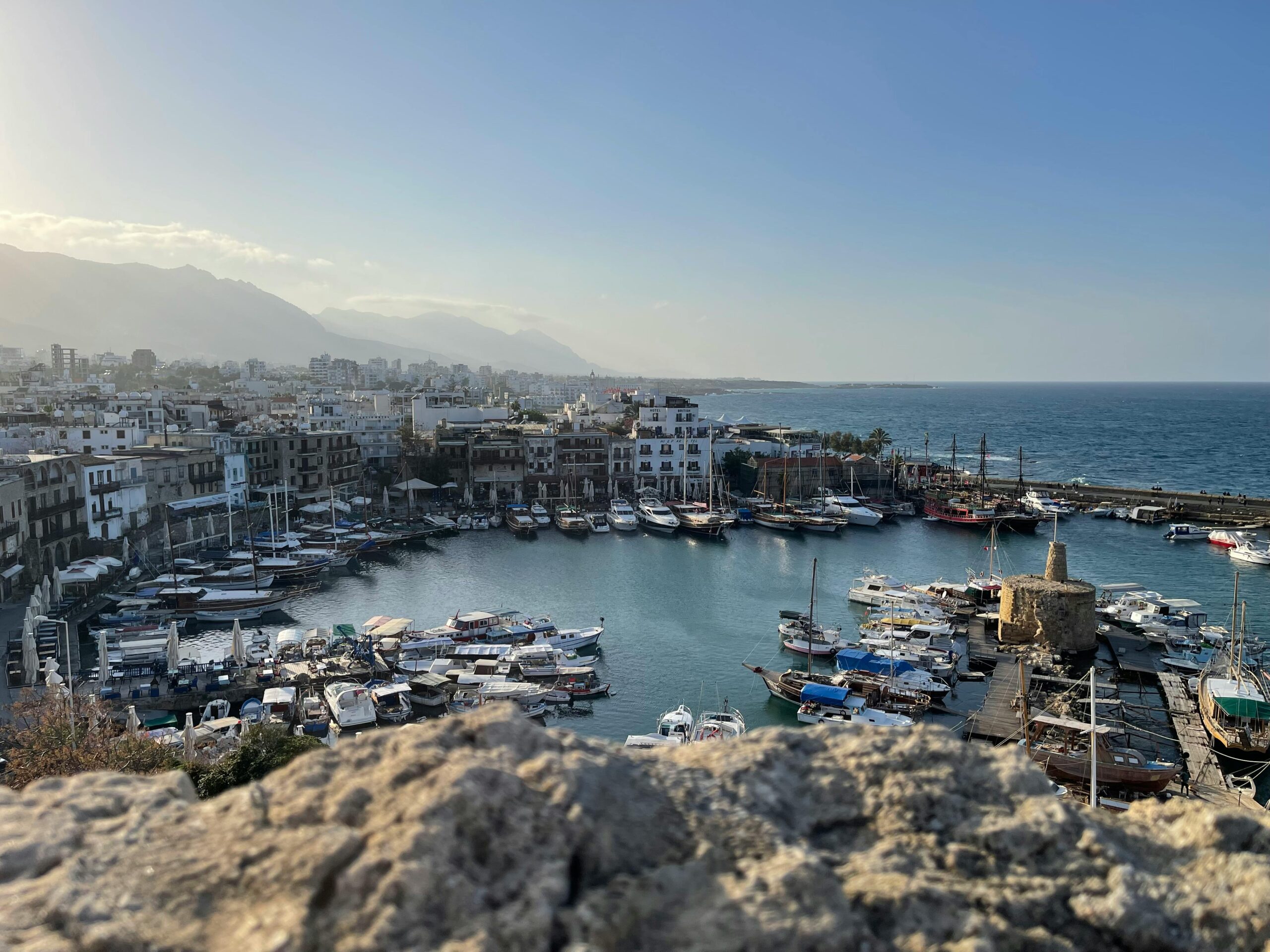
For decades, Cyprus has been one of the Mediterranean’s most popular holiday destinations, known for its warm climate, scenic beaches, historic sites, and vibrant hospitality industry. Tourism plays a central role in the island’s economy, drawing millions of visitors each year from Europe, the Middle East, and beyond.
However, recent geopolitical tensions and the escalation of conflict involving Iran in the wider Middle East have begun to influence travel behavior across the region. Even though Cyprus itself remains far from active conflict zones, the psychological and logistical effects of regional instability are causing many travelers to reconsider their plans.
Airline disruptions, safety concerns, and uncertainty about the broader geopolitical situation are creating challenges for Cyprus’s tourism sector. As a result, hotels, travel agencies, and government officials are closely monitoring how international tensions could reshape travel patterns in the Mediterranean.
This article explores how regional conflict can affect tourism in countries like Cyprus, why travelers often react to perceived risks even when destinations remain safe, and what the long-term implications might be for the island’s tourism industry.
The Importance of Tourism to Cyprus
Tourism is one of Cyprus’s most vital economic sectors. The industry supports a wide network of businesses including:
- Hotels and resorts
- Restaurants and bars
- Tour operators
- Transportation companies
- Cultural attractions
- Local markets and small businesses
Before global travel disruptions in the early 2020s, Cyprus welcomed more than four million visitors annually—an impressive figure for a nation with a population of just over one million.
Tourism contributes a significant share of national income and provides employment across coastal cities such as:
- Limassol
- Larnaca
- Paphos
- Ayia Napa
Because the economy relies heavily on international visitors, fluctuations in travel demand can quickly affect local businesses.
Why Regional Conflicts Affect Tourism
Even when conflicts occur hundreds or thousands of kilometers away, they can still influence tourism in nearby regions.
Travelers often respond to perceived regional instability by avoiding entire areas rather than carefully distinguishing between safe and unsafe destinations.
Several factors explain this reaction.
Perception of Risk
Tourists may associate an entire geographic region with conflict, even if the destination itself remains peaceful.
For example, news coverage of Middle Eastern tensions can make travelers hesitant about visiting eastern Mediterranean destinations like Cyprus, Israel, or Turkey—even when these areas are not directly involved.
Airline Disruptions
Wars and military tensions often lead to:
- Airspace closures
- Flight rerouting
- Reduced airline capacity
- Higher travel costs
Airlines sometimes cancel or redirect flights near conflict zones to ensure safety.
These disruptions can make travel more complicated and discourage visitors from booking trips.
Insurance and Travel Advisories
Government travel advisories and insurance policies also play a role. When international tensions rise, some governments update travel warnings or advise citizens to exercise caution.
Even minor changes in official guidance can affect tourism bookings.
Cyprus’s Strategic Location
Cyprus sits in the eastern Mediterranean Sea, geographically close to the Middle East. This location has historically made the island a crossroads between Europe, Asia, and Africa.
While Cyprus is politically stable and a member of the European Union, its proximity to regional tensions means it can feel indirect consequences when conflicts occur nearby.
The island has previously served as a logistical hub during crises in the Middle East, providing evacuation routes and humanitarian support.
However, the same geographic proximity can also create anxiety among potential visitors unfamiliar with the region’s geography.
Current Tourism Trends in Cyprus
Despite concerns linked to regional tensions, Cyprus continues to attract millions of visitors.
Major source markets include:
- United Kingdom
- Germany
- Israel
- Poland
- Scandinavia
British travelers in particular make up a large portion of annual arrivals.
Tourism officials have emphasized that Cyprus remains safe and welcoming, and the island’s infrastructure continues to operate normally.
However, travel industry professionals report that some travelers are monitoring the geopolitical situation before confirming bookings.
The Impact on Local Businesses
Tourism fluctuations can have immediate effects on businesses that rely heavily on seasonal visitors.
Hotels and tour operators sometimes notice changes in booking patterns when regional tensions increase. These may include:
- Last-minute cancellations
- Shorter booking windows
- Travelers choosing closer destinations
- Shifts toward domestic or regional tourism
Restaurants, beach clubs, and excursion companies also depend on steady visitor numbers during peak summer months.
For small businesses, even minor drops in tourism demand can create financial challenges.
How Cyprus Is Responding
Cyprus’s tourism authorities are working to maintain traveler confidence by emphasizing safety and promoting the island’s attractions.
Efforts include:
Clear Communication
Tourism boards regularly update travel information and reassure visitors that Cyprus remains unaffected by conflict.
Diversifying Tourism Markets
The country is expanding marketing campaigns to attract visitors from new regions, including Central Europe and the Middle East.
Promoting Year-Round Tourism
Rather than relying only on summer beach tourism, Cyprus is promoting:
- Cultural tourism
- Wine tourism
- Nature and hiking experiences
- Winter travel opportunities
This strategy helps stabilize tourism income across seasons.
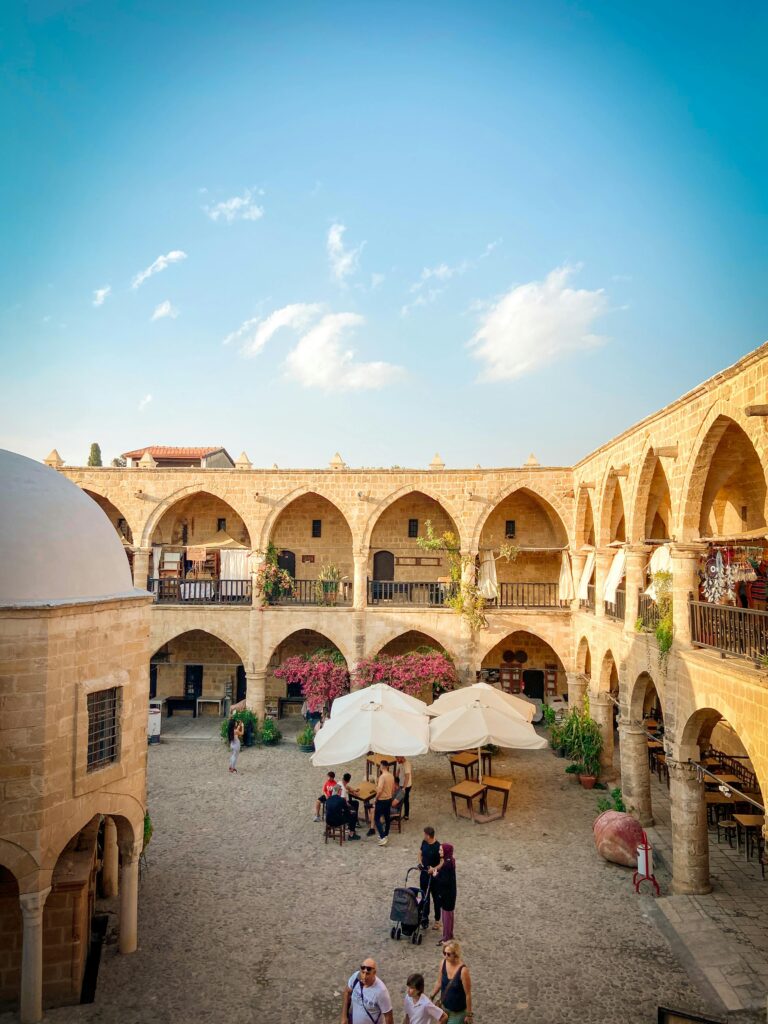
Cyprus’s Unique Travel Appeal
Despite external challenges, Cyprus remains a highly attractive destination thanks to its diverse offerings.
Visitors can explore:
Historic Landmarks
Cyprus is home to archaeological sites dating back thousands of years, including ancient Greek and Roman ruins.
Beaches and Coastal Resorts
The island’s Mediterranean coastline offers sandy beaches, turquoise waters, and luxury resorts.
Cultural Heritage
Cypriot culture blends influences from Greek, Turkish, Middle Eastern, and European traditions.
Cuisine and Wine
Local dishes feature fresh seafood, olive oil, cheeses like halloumi, and traditional wines produced from indigenous grape varieties.
These attractions continue to draw visitors seeking both relaxation and cultural discovery.
The Psychological Side of Travel Decisions
Travel decisions are often shaped as much by perception as by reality.
Research shows that travelers tend to avoid destinations perceived as risky, even when objective safety levels remain high.
Media coverage of conflict can amplify these perceptions, influencing travel behavior in ways that may not reflect the actual situation on the ground.
For countries like Cyprus, maintaining accurate information and strong communication with travelers becomes essential.
The Broader Impact of Geopolitics on Tourism
Cyprus is not the only destination affected by regional tensions.
Across the world, tourism industries frequently respond to geopolitical developments such as:
- Armed conflicts
- Diplomatic disputes
- Economic sanctions
- Political instability
The tourism sector is particularly sensitive to global events because travel decisions are discretionary.
Even minor geopolitical shifts can influence where people choose to vacation.
Frequently Asked Questions (FAQs)
1. Is Cyprus safe to visit during regional conflicts?
Yes. Cyprus remains a politically stable country and a member of the European Union. Most tourist areas continue operating normally.
2. Why does a conflict in another country affect Cyprus tourism?
Travelers sometimes associate nearby regions with conflict, even when the destination itself is safe.
3. Has tourism to Cyprus stopped?
No. Visitors continue traveling to Cyprus, though some travelers may delay bookings during periods of geopolitical uncertainty.
4. What are the most popular tourist areas in Cyprus?
Popular destinations include Limassol, Paphos, Ayia Napa, and Larnaca.
5. How important is tourism to Cyprus?
Tourism is one of the country’s largest economic sectors and supports thousands of jobs.
6. What steps is Cyprus taking to protect tourism?
Authorities are promoting safety, diversifying tourism markets, and encouraging year-round travel experiences.
7. When is the best time to visit Cyprus?
The peak tourist season runs from May to October, though the island also offers pleasant weather in spring and autumn.
8. Can geopolitical tensions permanently damage tourism?
Not necessarily. Tourism often rebounds quickly once stability returns and traveler confidence improves.
Conclusion
Cyprus illustrates how global tourism is deeply interconnected with geopolitics. Even when conflicts occur far from tourist destinations, perceptions of regional instability can influence travel decisions.
For Cyprus, maintaining visitor confidence and promoting accurate information will be key to sustaining its tourism industry during uncertain times.
With its Mediterranean beauty, rich history, and welcoming hospitality, the island remains an appealing destination for travelers worldwide. As the global travel landscape continues to evolve, Cyprus’s resilience and adaptability will likely play an important role in shaping its tourism future.

Sources The Guardian

