
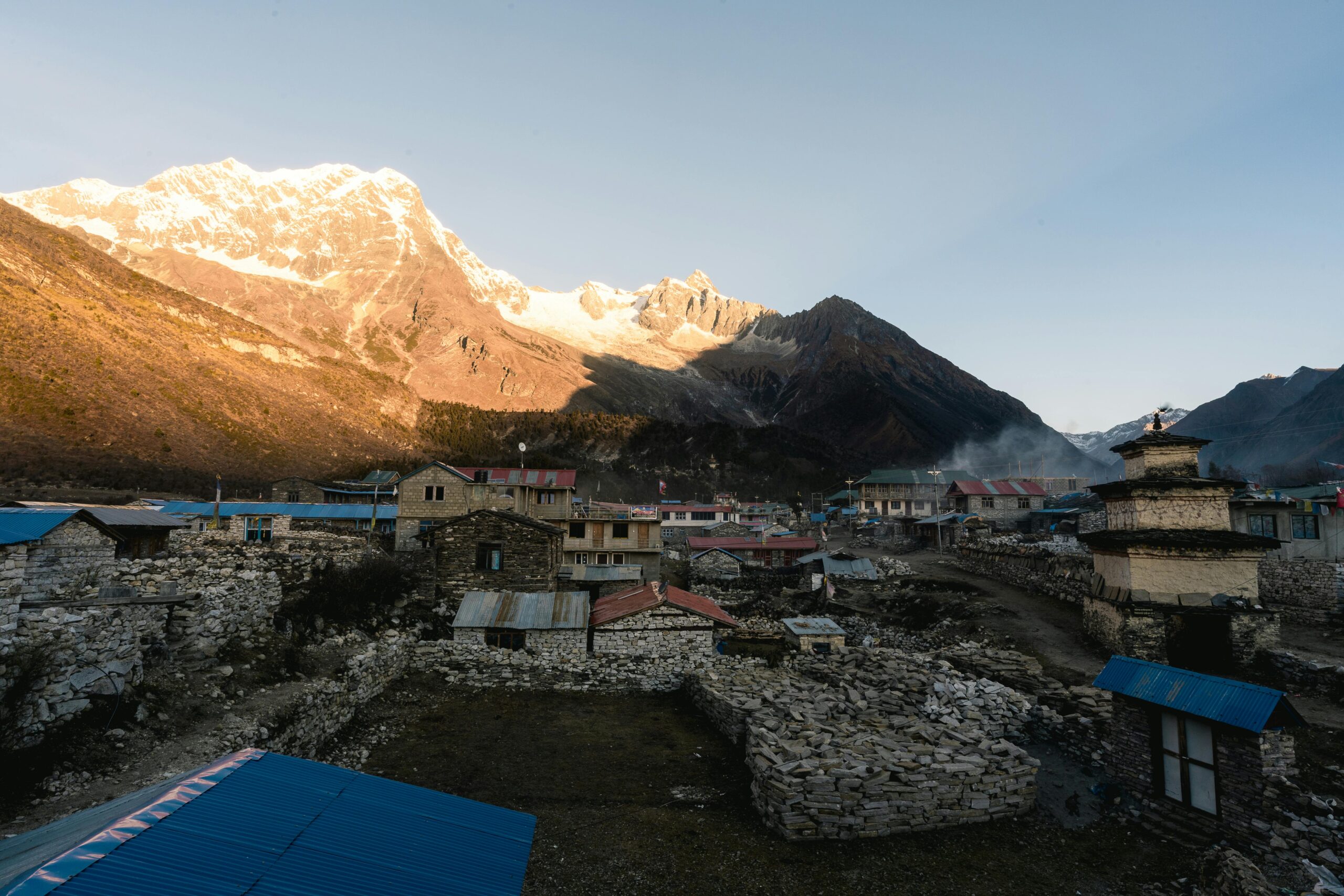
High in the Indian Himalayas, where terraced farms cling to steep mountainsides and centuries-old villages overlook deep river valleys, a unique form of travel is redefining tourism. Rather than focusing on luxury resorts or large tour groups, the Village Ways community tourism project offers travelers a chance to experience life in remote Himalayan communities while directly supporting local residents.
This model of tourism emphasizes cultural exchange, environmental sustainability, and economic empowerment for rural communities. As interest in responsible travel continues to grow worldwide, projects like Village Ways are demonstrating how tourism can benefit both visitors and host communities.
What Is the Village Ways Project?
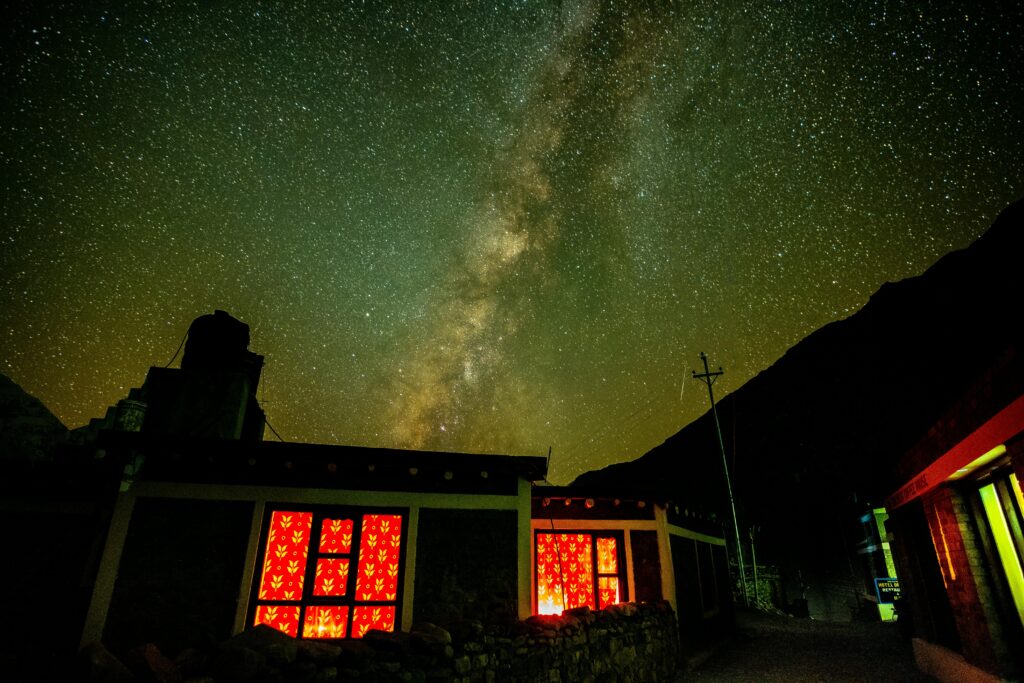
Village Ways is a community-based tourism initiative that operates in the Himalayan regions of northern India, particularly in Uttarakhand, a state known for its dramatic mountain landscapes and traditional villages.
The project organizes guided walking holidays through remote villages, where travelers stay in locally run guesthouses and homestays rather than commercial hotels.
Key features of the program include:
- Small-group trekking experiences
- Accommodation in village guesthouses
- Meals prepared with local ingredients
- Cultural interactions with residents
- Community-owned tourism businesses
The goal is to create a travel experience that allows visitors to explore the Himalayas while contributing directly to the local economy.
The Setting: Uttarakhand’s Himalayan Villages
Uttarakhand is often called the “Land of the Gods” because of its sacred rivers, temples, and mountain landscapes. The region sits along the southern slopes of the Himalayas and contains some of India’s most dramatic scenery.
The area features:
- Dense forests of oak, rhododendron, and pine
- Snow-capped peaks visible from high ridges
- Traditional stone houses and terraced fields
- Remote villages accessible only by footpaths
Despite its beauty, many rural communities in Uttarakhand have struggled with economic challenges and population decline.
Young people often migrate to cities in search of employment, leaving villages with aging populations and fewer economic opportunities.
Community tourism projects like Village Ways aim to address these challenges.
How Community Tourism Supports Local Economies
Traditional tourism models often concentrate profits in urban hotels, tour operators, or international companies.
Community-based tourism reverses this pattern by ensuring that tourism income stays within the local community.
In the Village Ways model:
- Guesthouses are owned and operated by villagers
- Local guides lead trekking groups
- Food ingredients are sourced locally
- Revenue supports community development projects
This approach creates multiple income streams for rural households.
For villages that previously relied mainly on agriculture, tourism provides an important economic supplement.
Cultural Exchange and Authentic Experiences
One of the defining features of Village Ways tourism is its emphasis on meaningful cultural interaction.
Travelers may participate in activities such as:
- Learning traditional cooking techniques
- Observing farming practices on terraced fields
- Attending village festivals and ceremonies
- Hearing stories about Himalayan history and folklore
Unlike conventional tourism, which often keeps visitors separated from local communities, community tourism encourages direct engagement.
This interaction allows travelers to gain deeper understanding of local cultures and traditions.
Environmental Sustainability in the Himalayas
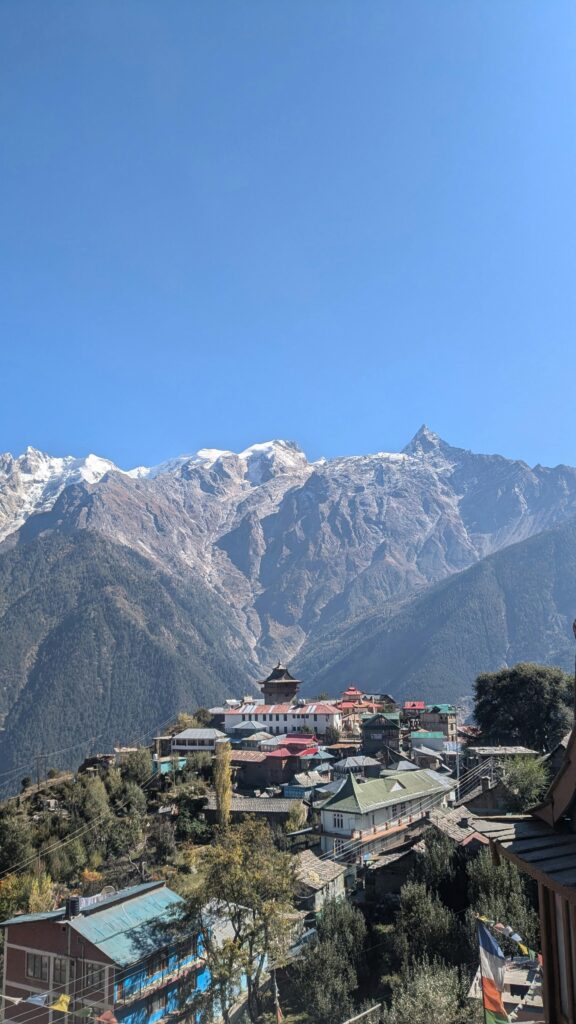
The Himalayas are one of the world’s most environmentally sensitive regions. Rapid tourism development in some mountain destinations has created concerns about:
- Waste management
- Water shortages
- Trail erosion
- Habitat disruption
Community-based tourism models prioritize low-impact travel.
Village Ways treks typically involve small groups and emphasize responsible environmental practices such as:
- Minimizing plastic waste
- Using existing village infrastructure
- Supporting conservation awareness
This approach helps protect fragile mountain ecosystems.
Empowering Local Communities
Beyond economic benefits, community tourism can empower local residents by giving them greater control over tourism development.
Village Ways works with village cooperatives to ensure that:
- Residents manage guesthouses and tourism services
- Decisions about tourism growth remain local
- Income distribution is transparent and fair
This model contrasts with large-scale tourism developments where local communities may have limited influence over how tourism evolves.
Women’s Participation in Tourism
Community tourism projects often create new opportunities for women.
In many Himalayan villages, women play a central role in hospitality by:
- Managing guesthouses
- Preparing meals for visitors
- Organizing cultural activities
These opportunities can increase financial independence and expand women’s participation in local economies.
Programs that support women entrepreneurs are becoming increasingly important in rural tourism initiatives.
Challenges Facing Community Tourism
Despite its many benefits, community tourism also faces challenges.
These include:
- Limited infrastructure in remote areas
- Seasonal fluctuations in visitor numbers
- Maintaining cultural authenticity while welcoming tourists
- Ensuring equitable distribution of tourism income
Successful projects require ongoing cooperation between communities, nonprofit organizations, and responsible tour operators.
The Growing Demand for Responsible Travel
Global travel trends are shifting toward experiences that emphasize sustainability and authenticity.
Many travelers today seek:
- Cultural immersion
- Eco-friendly travel practices
- Meaningful connections with local communities
Community tourism projects like Village Ways align closely with these values.
By offering immersive experiences in rural Himalayan villages, the project appeals to travelers who want to explore beyond conventional tourist routes.
Frequently Asked Questions
What is community-based tourism?
Community-based tourism is a model where local residents own and manage tourism activities, ensuring that economic benefits remain within the community.
Where does the Village Ways project operate?
Village Ways operates primarily in the Himalayan region of Uttarakhand in northern India.
What activities are included in Village Ways trips?
Trips typically include guided walking routes between villages, cultural experiences, local meals, and overnight stays in community-run guesthouses.
How does the project benefit local communities?
It creates employment opportunities, supports local businesses, and generates income for community development.
Is the tourism environmentally sustainable?
Yes. The project emphasizes small-group travel and responsible environmental practices.
Do travelers need trekking experience?
Most routes are designed for moderately fit travelers rather than experienced mountaineers.
Why is tourism important for Himalayan villages?
Tourism provides alternative income sources and helps reduce rural migration by creating local employment opportunities.
Conclusion
The Village Ways project in the Indian Himalayas offers a powerful example of how tourism can benefit both travelers and host communities.
By combining sustainable travel practices with genuine cultural exchange, the initiative demonstrates that tourism can support rural livelihoods while preserving traditional ways of life.
As travelers increasingly seek meaningful and responsible experiences, community tourism projects like Village Ways may represent the future of sustainable travel—where visitors not only explore beautiful landscapes but also help sustain the communities that call them home.

Sources The Guardian

