
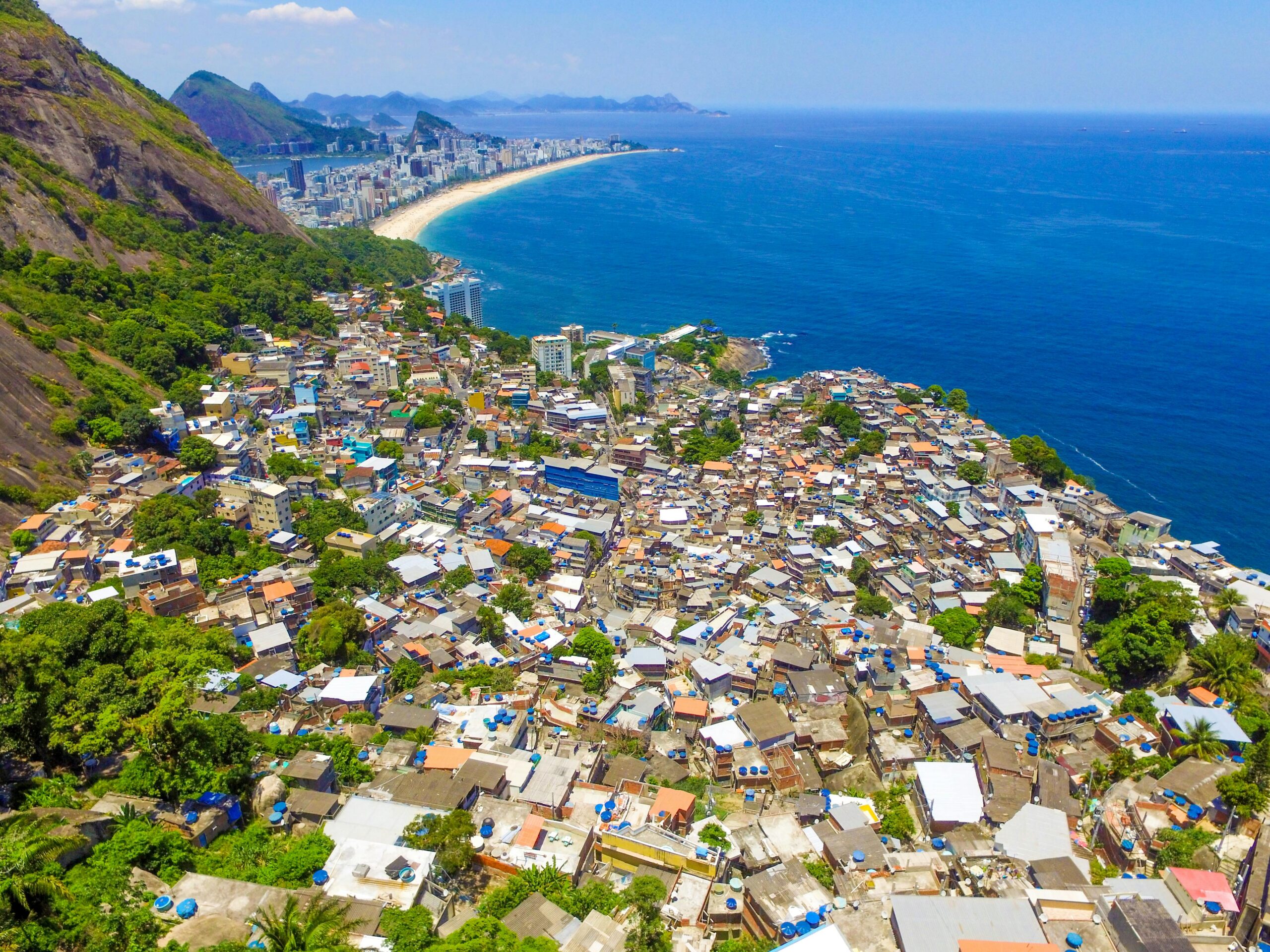
Rio de Janeiro has long been one of the world’s most recognizable travel destinations. Visitors flock to its iconic beaches, towering mountains, vibrant carnival celebrations, and famous landmarks such as Christ the Redeemer and Sugarloaf Mountain. Yet in recent years, a very different kind of attraction has been gaining attention: the rooftops of Rocinha, Rio’s largest favela.
Thanks to viral social media videos, Rocinha’s scenic rooftop views have become an unexpected tourist hotspot. Travelers seeking dramatic city panoramas, authentic cultural experiences, and Instagram-worthy moments are increasingly venturing into the hillside community. While the trend has brought economic opportunities for some residents, it has also sparked debate about ethics, safety, and the realities of tourism in marginalized communities.
This article explores how Rocinha’s rooftops became a viral sensation, what favela tourism means for local residents, and the broader social issues surrounding this emerging travel trend.
Rocinha: A City Within a City
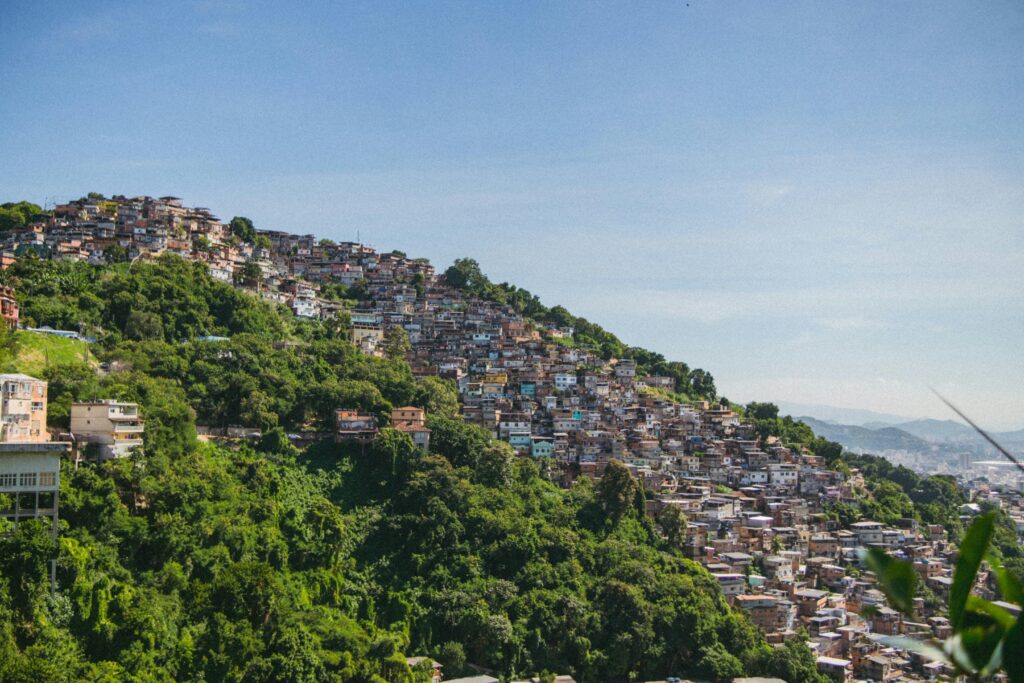
Rocinha is the largest favela in Brazil and one of the most densely populated informal communities in Latin America. Located on a steep hillside between Rio’s wealthy neighborhoods of São Conrado and Gávea, Rocinha is home to an estimated 100,000 to 200,000 residents, though precise numbers are difficult to determine.
Like many favelas, Rocinha developed through informal housing construction over decades as rural migrants moved to Rio seeking employment. Over time, the community evolved into a complex urban environment with:
- Schools and healthcare clinics
- Markets, shops, and restaurants
- Internet cafes and small businesses
- Cultural centers and music venues
Despite the absence of traditional urban planning, Rocinha functions much like a small city, with its own infrastructure, economy, and social networks.
The Rise of Rooftop Tourism
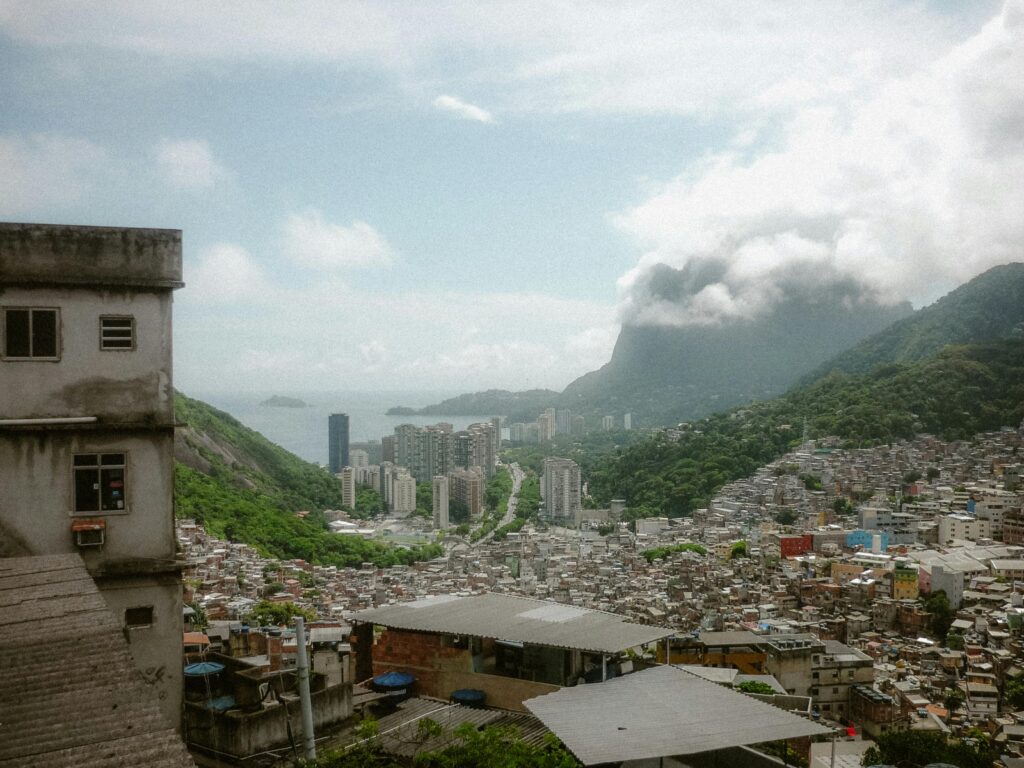
The recent surge in tourism to Rocinha’s rooftops began largely through viral social media content. Videos posted on platforms like TikTok, Instagram, and YouTube show panoramic views of Rio’s coastline, mountains, and skyline from high vantage points within the favela.
From certain rooftops, visitors can see:
- The Atlantic Ocean
- São Conrado beach
- The surrounding forest-covered mountains
- Rio’s dense urban landscape
These views rival some of the city’s most famous scenic lookouts.
Travel influencers began sharing footage of sunset views, rooftop parties, and guided tours inside the community. As the videos spread online, curiosity about the location grew rapidly among international travelers.
Social Media’s Role in Shaping Travel Trends
Social media platforms have dramatically changed how travel destinations become popular.
In the past, tourism was shaped primarily by guidebooks, travel agencies, and traditional marketing campaigns. Today, viral content can transform an overlooked location into a global attraction almost overnight.
Several factors contribute to this phenomenon:
- Visually striking landscapes
- Authentic or unconventional experiences
- Personal storytelling from travelers
- The desire for unique social media content
Rocinha’s rooftop views combine all these elements, making them particularly appealing to digital audiences.
Favela Tourism: A Controversial Industry
Tourism in Rio’s favelas is not new. Organized favela tours have existed for decades, offering visitors insights into the history and culture of these communities.
These tours typically include:
- Guided walks through local streets
- Visits to community projects
- Cultural performances
- Opportunities to support local businesses
However, favela tourism has long been controversial.
Critics argue that such tours risk turning poverty into a spectacle, sometimes referred to as “poverty tourism.” They worry that tourists may treat communities as curiosities rather than places where people live and work.
Supporters counter that responsible tourism can bring economic benefits and global awareness to marginalized neighborhoods.
Economic Opportunities for Local Residents
For many Rocinha residents, the recent surge in rooftop tourism represents an economic opportunity.
Local entrepreneurs have begun offering:
- Rooftop bars and restaurants
- Guided walking tours
- Photography experiences
- Cultural events and music performances
These businesses allow residents to earn income directly from tourism rather than relying on outside operators.
In some cases, rooftop venues have become gathering places for both tourists and locals, creating spaces for cultural exchange.
Challenges and Concerns
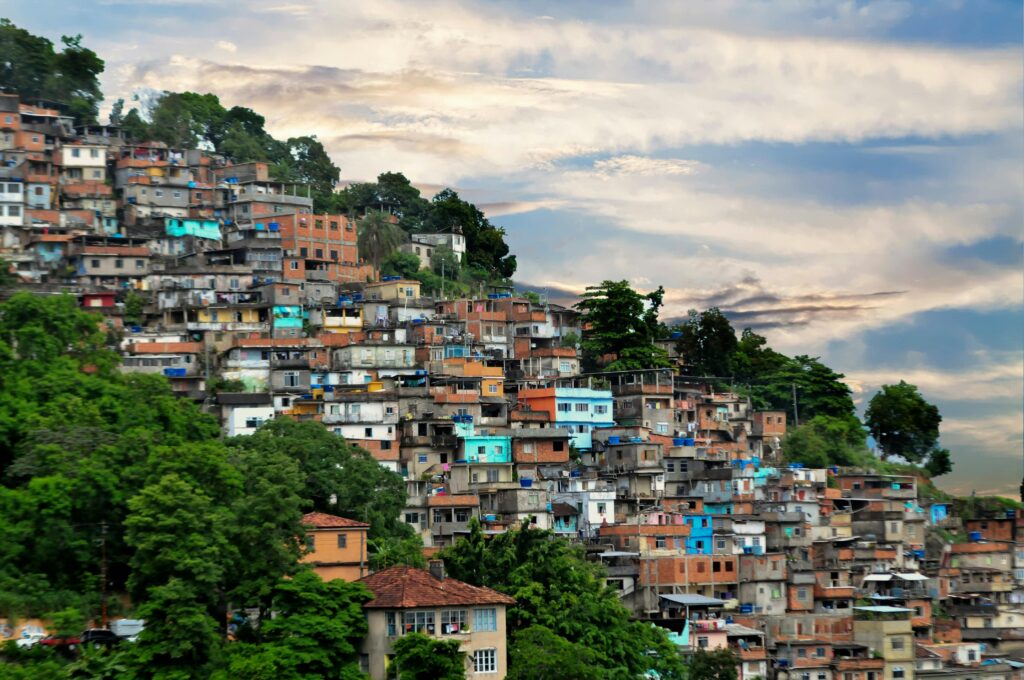
Despite the potential economic benefits, rooftop tourism in Rocinha also raises several concerns.
Safety
Favelas in Rio have historically experienced periods of crime and conflict involving drug trafficking groups and police operations. Although many areas of Rocinha are relatively calm, security conditions can change.
Visitors unfamiliar with the community may underestimate the complexities of navigating the area safely.
Ethical Tourism
Critics argue that tourists sometimes visit favelas without understanding the social realities residents face. Posting glamorous rooftop photos online may overlook issues such as:
- Poverty and inequality
- Limited public services
- Housing challenges
Ethical tourism advocates emphasize the importance of respectful engagement with local communities.
Gentrification Pressures
As tourism grows, property values and commercial activity can increase, potentially affecting housing affordability for long-time residents.
While this process is still emerging in Rocinha, it is a concern often associated with rapidly growing tourism destinations.
Community Perspectives
Residents of Rocinha hold a range of opinions about tourism.
Some welcome visitors and appreciate the economic opportunities it brings. Tourism can support local businesses, create jobs, and improve the neighborhood’s reputation.
Others worry about outsiders misrepresenting the community or disrupting daily life.
Community organizations often emphasize the need for tourism that respects local culture and benefits residents rather than outside investors.
Cultural Richness Beyond the Views
While rooftop views may attract initial attention, Rocinha also offers rich cultural experiences.
The community is known for:
- Vibrant street art and murals
- Brazilian funk and samba music
- Local food markets and street vendors
- Community art projects
- Youth education programs
These cultural elements reflect the creativity and resilience of favela residents.
For visitors interested in meaningful cultural exchange, these experiences offer deeper insights into life in Rocinha.
Responsible Tourism in Favela Communities
Experts suggest several guidelines for travelers interested in visiting favelas responsibly:
- Choose locally led tours or businesses
- Respect residents’ privacy when taking photographs
- Learn about the community’s history and culture
- Support local restaurants, shops, and initiatives
- Avoid treating the community as a spectacle
Responsible tourism can help ensure that visitors contribute positively to local economies and cultural understanding.
Frequently Asked Questions (FAQs)
1. What is Rocinha?
Rocinha is the largest favela in Rio de Janeiro and one of the most populous informal communities in Brazil.
2. Why are Rocinha’s rooftops becoming popular with tourists?
Viral social media videos showcasing panoramic views of Rio from the favela’s rooftops have attracted international attention.
3. Is it safe to visit Rocinha?
Safety conditions can vary. Visitors are generally advised to join guided tours and follow local advice when exploring the area.
4. What is favela tourism?
Favela tourism involves guided visits to informal communities where travelers learn about local culture, history, and daily life.
5. Why is favela tourism controversial?
Some critics believe it can exploit poverty, while supporters argue it can provide economic benefits and raise awareness.
6. Do local residents benefit from tourism?
In many cases, yes. Local businesses such as restaurants, tour guides, and cultural venues can generate income from visitors.
7. What should tourists keep in mind when visiting?
Respect for local residents, cultural sensitivity, and supporting locally owned businesses are important.
8. Are there cultural attractions in Rocinha?
Yes. The community features vibrant music scenes, street art, local cuisine, and grassroots cultural initiatives.
Conclusion
The viral rise of Rocinha’s rooftop tourism highlights the powerful role social media now plays in shaping global travel trends. What was once a largely overlooked hillside neighborhood has suddenly become a destination for curious travelers seeking unique perspectives on Rio de Janeiro.
However, the phenomenon also raises complex questions about tourism, inequality, and representation. As interest in Rocinha continues to grow, the challenge will be ensuring that tourism benefits local residents while preserving the dignity and authenticity of the community.
When approached thoughtfully and respectfully, visits to places like Rocinha can foster cultural understanding and highlight the creativity, resilience, and spirit that define the communities behind the headlines.
Sources The Guardian

